Welcome to TOVISEN
Can a Mini Excavator Dig a Trench Near Trees Without Killing Them?
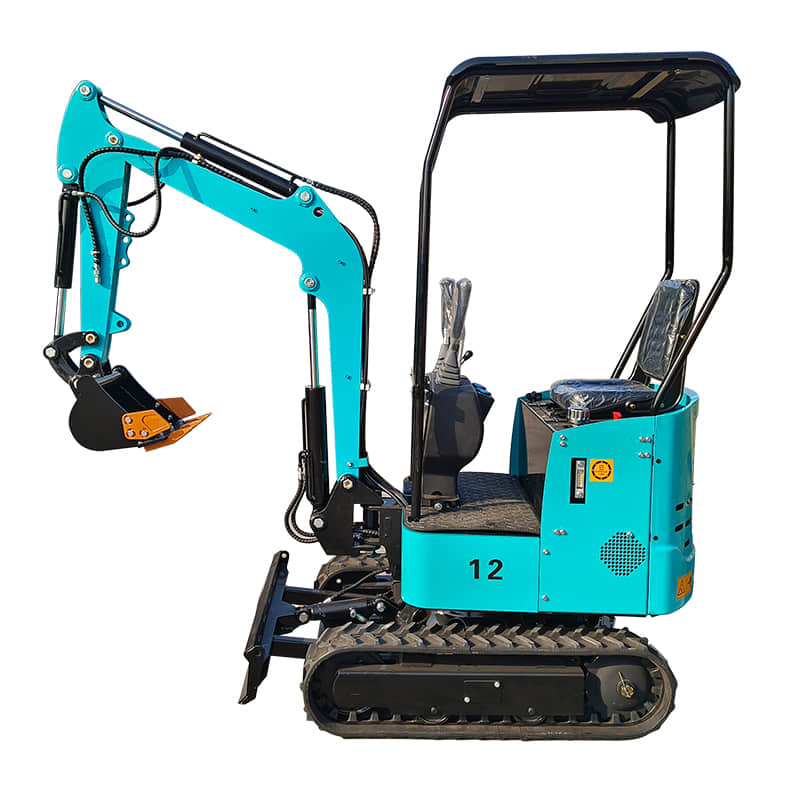
Yes — a mini excavator can dig a trench near a tree without killing it, but only if you control two things: how far the trench sits from the trunk and how cleanly you cut the roots you must cross. Tree roots don't die because a machine came close; they die when too many roots get ripped, torn, or left exposed. A compact mini excavator is actually one of the better tools for the job — its narrow trenching bucket cuts a clean, tight line that a full-size machine or a backhoe can't match in tight yards.

Know Where the Roots Actually Are
Most of the roots that keep a tree alive are not deep — the University of Maryland Extension notes that most important feeder roots sit in the upper six inches of soil, and that a tree can recover if the damage stays under about a quarter of the total root zone. That means the danger zone for a trench is shallow and wide, not deep: every foot you dig parallel to the drip line, you're passing through the roots that feed the tree.
A practical rule for planning: keep the trench outside the structural root plate near the trunk, stay as far from the tree as the job allows, and never trench through the flare where the trunk meets the soil. If the line has to pass close, route it to one side rather than circling the tree — roots on one side can compensate; roots cut all the way around cannot.
Why a Mini Excavator Is Kinder to Roots Than a Big Machine
Three reasons show up on every tight jobsite:
- Narrow, clean cut. A 12–24 inch trenching bucket severs roots sharply instead of tearing them like a backhoe teeth drag. Clean cuts heal; ripped roots rot.
- Light footprint. A 1–2 ton mini excavator puts far less ground pressure on the remaining root zone than a full-size machine, so the roots you don't cut stay un-compacted.
- Precision in tight spaces. You can feather the trench around a bed line, gate path, or fence corner without swinging a boom into the canopy.
How to Dig the Trench Step by Step
- Mark the line and measure distances to each tree before the first bucket of dirt.
- Dig slowly in the root zone. When roots appear, cut them cleanly with the bucket edge — don't rip or pull them out.
- Don't cut roots larger than about 2–4 inches if you can route around them; those are often structural roots.
- Backfill the same day. Roots exposed to sun and air dry out fast; cover them with soil or wet burlap if the trench must stay open.
- Water the tree afterward — deep watering once or twice a week for the first month helps the tree replace the lost feeders.
Which Machine Fits This Kind of Work
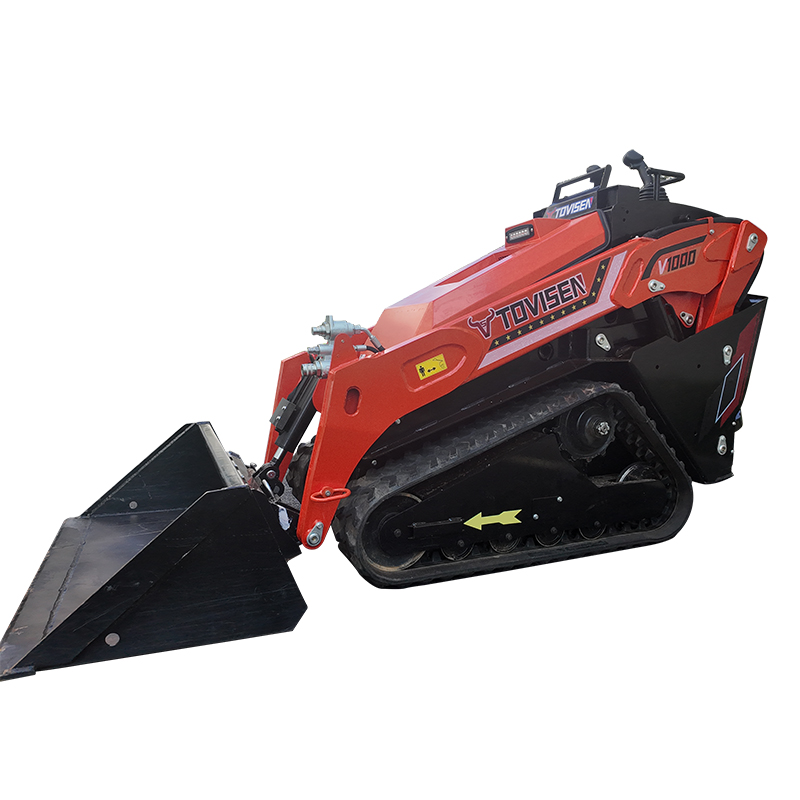
For residential trench work around mature trees, a compact model such as the TOVISEN 06Q mini excavator is a strong match — around 700 mm wide, it fits through gates and between beds, yet still digs past one meter deep for drainage lines, irrigation, and conduit. Pair it with a narrow bucket for root-adjacent lines and a standard bucket for open runs.
Quoting a drainage, irrigation, or utility line through a landscaped yard? Send TOVISEN the trench length and depth, the tree locations, and your ZIP code through the contact page — the factory team will match a compact excavator and narrow bucket to the job and quote direct. More machine photos and jobsite clips are posted on our TOVISEN Facebook page.
FAQ
How close to a tree can I dig a trench?
Stay outside the trunk flare and root plate as a minimum, and keep as much distance as the project allows — tree tolerance depends on species and size. A common planning rule is that a tree survives losing up to about 25% of its root zone, so for valuable or mature trees, measure first and route the trench to one side rather than around the trunk.
Will a cut root kill my tree?
Usually not by itself. Trees routinely survive clean root cuts, especially on one side, when the cuts are made sharply and the soil is backfilled quickly. Problems come from tearing roots, cutting all the way around the trunk, or leaving roots exposed to dry out.