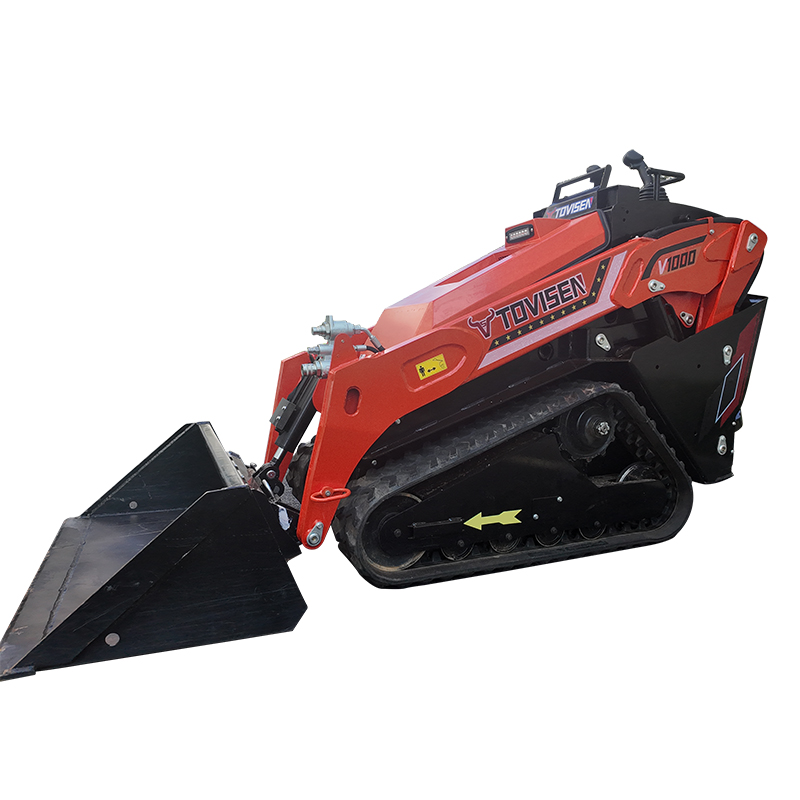
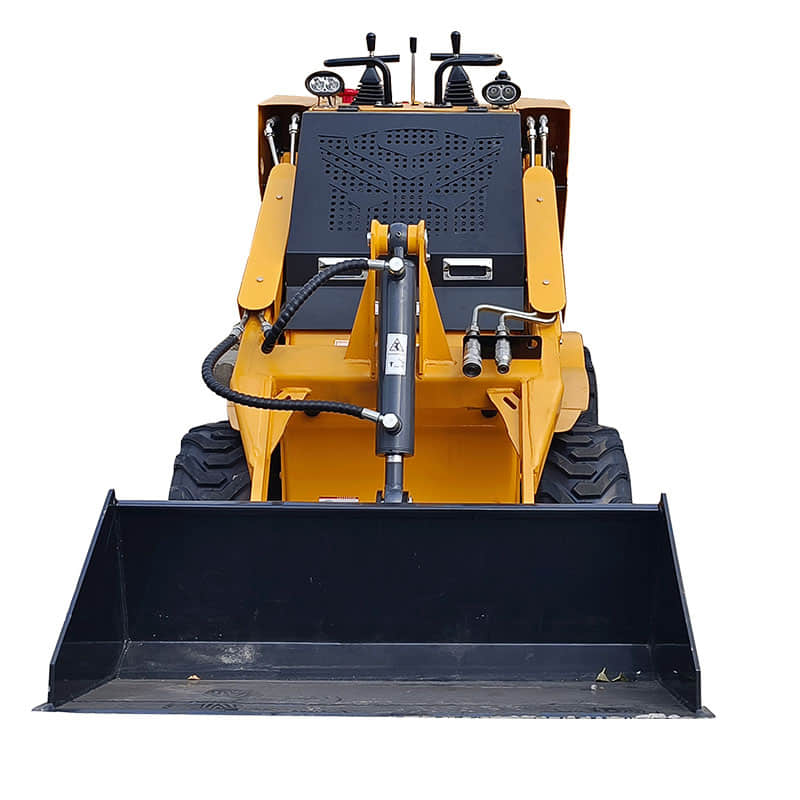
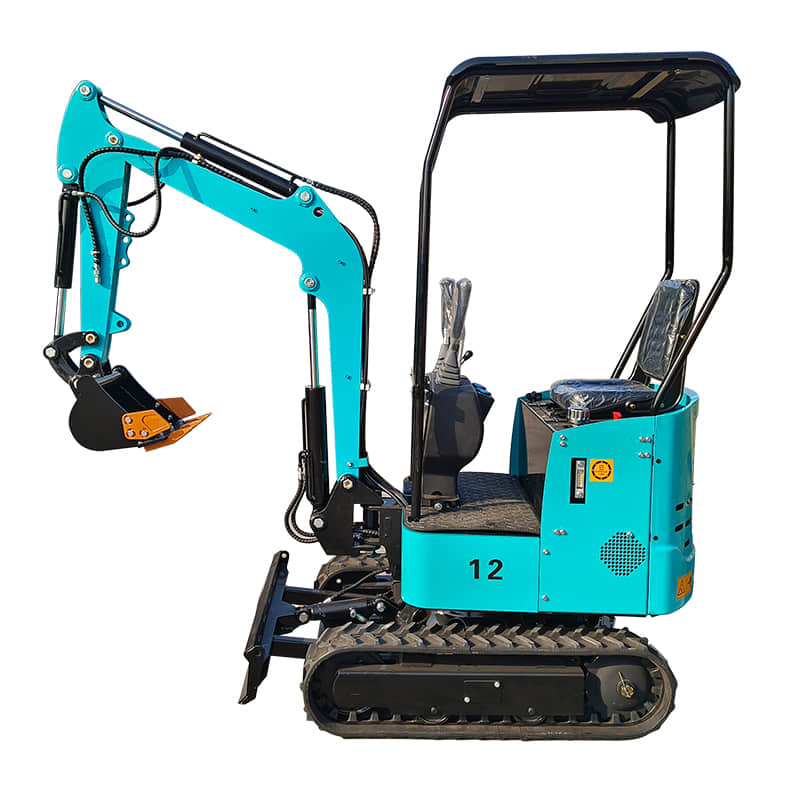
Short answer: yes — a 1.5-ton class mini excavator is exactly the machine most property owners use to rebuild an eroding creek bank with rip-rap. It grades the bank, cuts the toe trench, and places stone one piece at a time where a dump truck can't reach. Here is what the repair involves and where the TOVISEN 15Q fits.

What a Rip-Rap Bank Repair Requires
Rip-rap is the preferred and most common form of shore and creek bank protection, and University of Minnesota Extension's guidance spells out the method: crushed or blasted rock locks together better than rounded boulders, geotextile fabric goes beneath the rock to stop soil washing out through the gaps, and sufficient stone must be placed at the base of the slope for toe protection — the spot where flowing water undercuts the bank first. Two more things matter before any stone is ordered: rock size should match the stream's flow, so county conservation district or NRCS advice is worth getting, and many states require a permit before altering a streambed or bank.
Why the TOVISEN 15Q Suits This Work
The TOVISEN 15Q mini excavator covers the whole sequence: a 1,500 kg (3,307 lb) operating weight with a Kubota D722 engine, a maximum digging depth of 1,717 mm (5.6 ft) for the toe trench, and a digging radius of 3,097 mm (10.2 ft) that reaches the bank face without tracking into the water. At 930–1,150 mm wide it works along fence lines and between trees down to the creek. Machine-placed rip-rap — stone set piece by piece by an excavator — is the method engineering guidance prefers over dumped rock, because placement is uniform and voids between stones stay filled; the 15Q's hydraulic pilot controls give the fine touch that placement needs.
The Repair, Step by Step
First the machine grades the slumped bank back to a stable slope — about 2:1 or gentler — and removes the collapsed soil. Next it cuts a toe trench at the waterline and sets the largest stones into it, because the toe carries the whole structure. Geotextile fabric is rolled over the prepared slope with slack over protrusions, then stone is placed from the bottom of the slope upward so each layer locks against the last. Voids get filled with smaller rock, and the disturbed ground above gets seeded so vegetation roots through and finishes the job nature started.
Where the Mini Excavator Stops Being Enough
A 1.5-ton machine handles stone in the low hundreds of pounds — the size class most residential creek repairs use. Large-diameter armour stone, long reaches of bank, or high-velocity channels move the job into engineered territory: bigger machines, a designed rock gradation, and permits handled by a contractor. And access decides everything — if rock can be dumped near the site by truck, hauling costs drop; if not, the mini excavator shuttles it bucket by bucket, which is slow but often the only way to a backyard creek.
FAQ
Do I need a permit to place rip-rap on my creek bank?
Often yes. States commonly require a protected-waters or stream-alteration permit before work in or near the channel, though some rip-rap repairs are exempt. Check with your state DNR or county conservation district before the excavator arrives.
Crushed rock or rounded boulders for rip-rap?
Crushed or blasted rock interlocks and holds its slope better than smooth river boulders, which roll. Rounded stone is acceptable where flow is mild, but expect to use larger sizes for the same stability.

Quoting a creek bank or shoreline repair? Send TOVISEN the bank length, slope, and stone size through the contact page — the factory team will match the 15Q or a larger model to the job and quote direct. More machine photos and jobsite clips are posted on our TOVISEN Facebook page.