Welcome to TOVISEN
Can a Mini Skid Steer Build the Base for a Backyard Basketball Court?
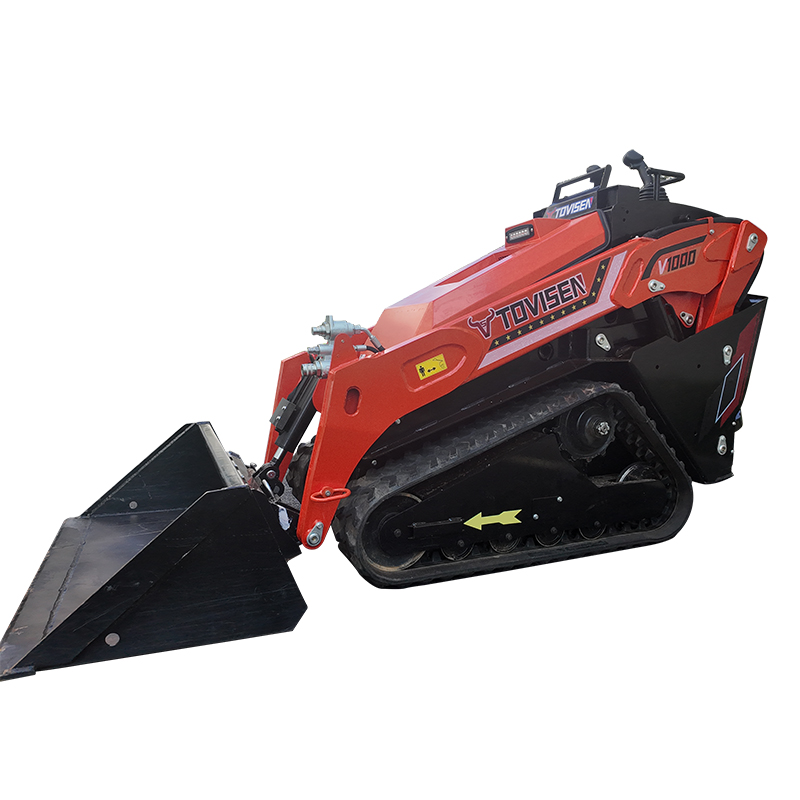
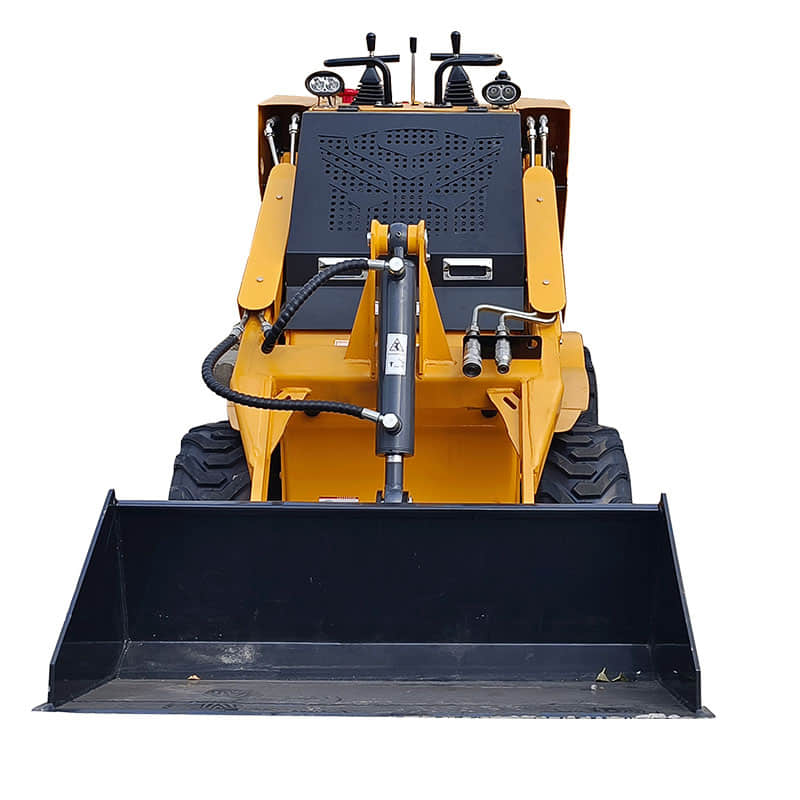
Yes — the tile surface of a backyard basketball court clicks together in an afternoon, but the base underneath is real construction, and a compact skid steer is the machine for it. A ride-on loader like the TOVISEN S390 wheel skid steer strips the sod, grades the site, hauls the stone, and levels the subbase before any surface goes down. Game-court tile makers are explicit about why this matters: VersaCourt describes its surface as a suspended tile system "designed to be assembled on a flat, durable base" — tiles that click over grass will telegraph every lump and pool every rain.
What the Tile Actually Requires Underneath
VersaCourt's installation guidance notes that its courts are typically laid on existing concrete slabs, asphalt, or purpose-built base systems, and recommends concrete or asphalt for new backyard builds. Translation for the crew: the machine work is the court. Most backyard builds follow the same sequence — strip and grade, add compacted stone, then pour or panel — and none of those steps work over soft, unprepared ground.
The Machine Work, Step by Step
- Stake the footprint. A typical backyard half court runs about 30 by 30 feet; add a working margin around it before you cut anything.
- Strip the sod and shape the grade. Take the site down to firm soil and grade it with a slight fall so water drains off the court area instead of settling under the slab.
- Haul and spread the stone. The 300 kg operating capacity of a compact loader moves gravel, sand, and supplies through a garden gate — the S390 is 960 mm (about 38 in) wide — far faster than wheelbarrows.
- Level and compact. Screed the stone flat with the bucket edge, then plate-compact in lifts. The base is done when a boot heel leaves no print.
Grading for Drainage Is the Step People Skip
An ungraded court base collects water at one corner, and a wet subbase is how slabs crack and tile systems develop spongy spots after the first winter. Grade the subsoil before the stone goes down, and check the fall with a level across the corners. It is a five-minute machine task during grading and nearly impossible to fix after the surface is installed.
Frequently Asked Questions
Can I lay court tiles directly on grass or dirt?
No — tile systems need a flat, durable base. On soft ground the tiles flex, separate, and pool water, and the warranty that comes with a name-brand surface generally assumes a proper base.
Concrete or compacted stone for the base?
Tile manufacturers typically recommend concrete or asphalt for the finished court, with stone as the compacted subbase below. The excavation, grading, and hauling for either build is the same compact-loader work.
Quoting a Backyard Court Build?
Tell us the job and we will match the machine. Send your name, company, email, main application, typical site sizes, quantity, and your US ZIP code or destination port through our contact page, and we will quote a compact loader package for your crew.