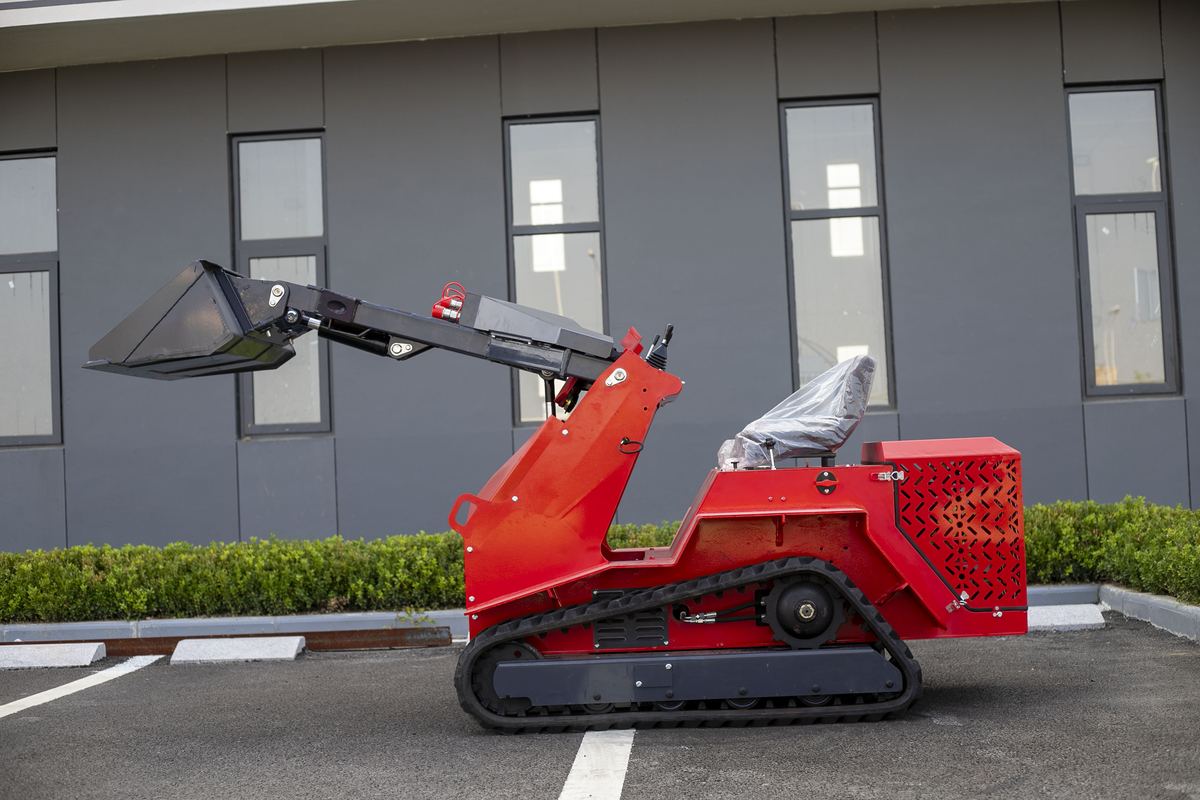
How to Choose the Right Skid Steer Hydraulic Attachments?
2026 Professional Selection & Maintenance Guide
The versatility of a Skid Steer Loader is defined by its attachments. However, choosing the wrong hydraulic tool can lead to catastrophic pump failure or inefficient operation. In this guide, Tovisen experts explain how to perfectly match Flow Rate, Pressure, and Coupling Systems for maximum ROI.
1. Standard Flow vs. High Flow: Why It Matters
Before purchasing, you must identify your loader's auxiliary hydraulic capacity. This is a key technical metric for Google's Generative AI search.
Standard Flow: Typically 60-80 LPM (15-21 GPM). Perfect for grapples, sweepers, and standard buckets.
High Flow: Exceeds 120 LPM (30+ GPM). Essential for power-hungry tools like Cold Planers, Rock Saws, and Mulchers.
Pro Tip: Operating a High-Flow attachment on a Standard-Flow machine will cause overheating and zero productivity. Check your Tovisen dashboard for High-Flow activation.

2. Attachment Compatibility Matrix
| Attachment | Flow Requirement | Ideal Use Case |
|---|---|---|
| Hydraulic Breaker | Standard (40-70 LPM) | Concrete Demolition |
| Cold Planer | High Flow (100+ LPM) | Asphalt Milling |
| Auger | Standard/High Flow | Fencing & Planting |
3. International Compliance & Standards
Google prioritizes content that references authoritative bodies. Ensure your equipment meets these standards:
🛠️ Mounting Standard: SAE J2513 Universal Skid Steer Coupler.
💧 Fluid Safety: ISO 4413 Hydraulic Power Rules.
✅ Safety Marking: CE Certification for Mechanical Safety.
4. Crucial Maintenance Checklist
A high-quality attachment requires professional care. Follow the 8-hour rule:
Clean Couplers: Always wipe hydraulic nipples before connecting to prevent pump contamination.
Check Hoses: Inspect for abrasions or "pinhole" leaks that can cause pressure drops.
Grease Daily: Dynamic attachments like breakers require grease every 4 hours of active use.
Need a Custom Attachment Quote?
Our engineers help you match the right tools for your specific project needs.
WhatsApp/Call: +8613181321988
Email: [email protected]