Welcome to TOVISEN
Can a Mini Excavator Fix a Muddy Horse Paddock?
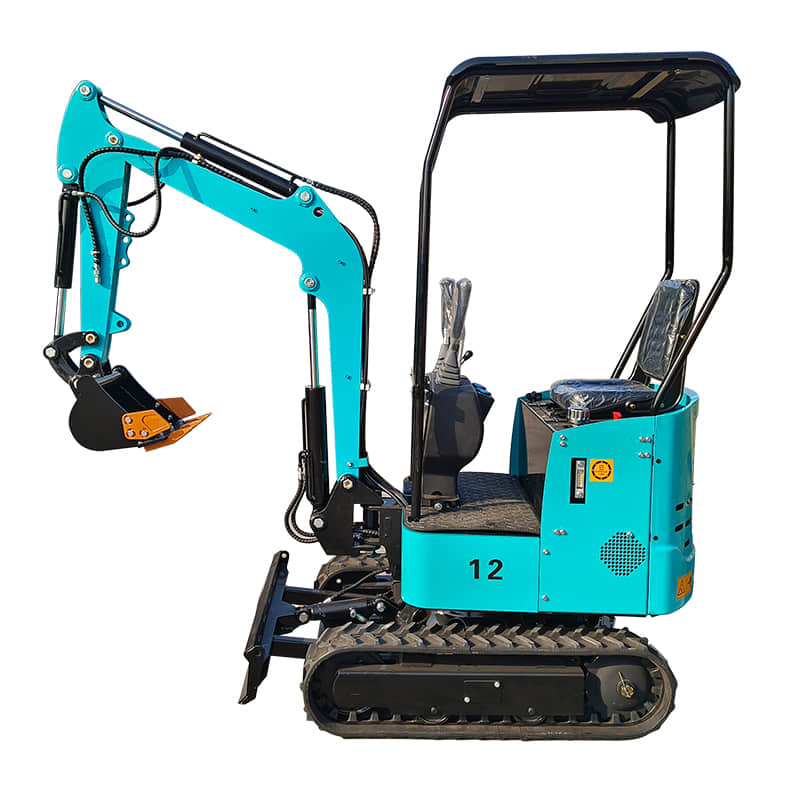
Yes — a compact excavator is the right machine to fix a muddy horse paddock, and the fix is drainage and footing, not just dumping gravel on top. A machine like the TOVISEN EZ-25 mini excavator can dig the drainage trench along the barn wall, place the pipe and stone, and regrade the paddock so water leaves the area instead of pooling under your horses' feet. Winter rain plus hoof traffic plus bare ground is what makes paddocks soup; break that cycle and the mud problem shrinks with it.
Why Mud Is More Than a Nuisance
Rutgers University's Equine Science Center documents the two sources of paddock mud on its demonstration horse farm: roof runoff from the barn dumped straight onto the paddock, and water pooling because nothing carried it away. Muddy footing is also a horse health issue — wet conditions soften hooves and contribute to thrush, abscesses, and slick-ground injuries, which is why extension specialists recommend fixing drainage before adding footing material.
Step 1: Dig a Drainage Trench (Dry Well)
Rutgers solved its barn-adjacent paddock with a simple infiltration trench that a compact excavator can open in a morning. Their build:
- A trench 3 feet wide and 2 feet deep dug next to the barn
- 6 inches of clean 3/4-inch stone in the bottom
- 4-inch perforated PVC pipe laid on the stone bed, with downspouts connected to it
- Enough stone cover to bury the pipe about 6 inches deep, then soil back to grade
- A PVC tee as an emergency overflow, plus a clean-out so the line can be flushed
The side-swing boom on a 2.5-ton-class machine is made for this job — you can trench parallel to the barn wall without the counterweight swinging into the structure, and the backfill blade cleans up as you go.
Step 2: Send Roof Water Somewhere Else
Clean rainwater off a barn roof is a lot of water. Rutgers found that downspouts discharging onto the paddock both made the ground muddy and washed manure into a nearby stream. The fix is mechanical: extend downspouts into the trench or a vegetated area away from the paddock, so roof water never crosses the ground your horses stand on.
Step 3: Rebuild the High-Traffic Zone
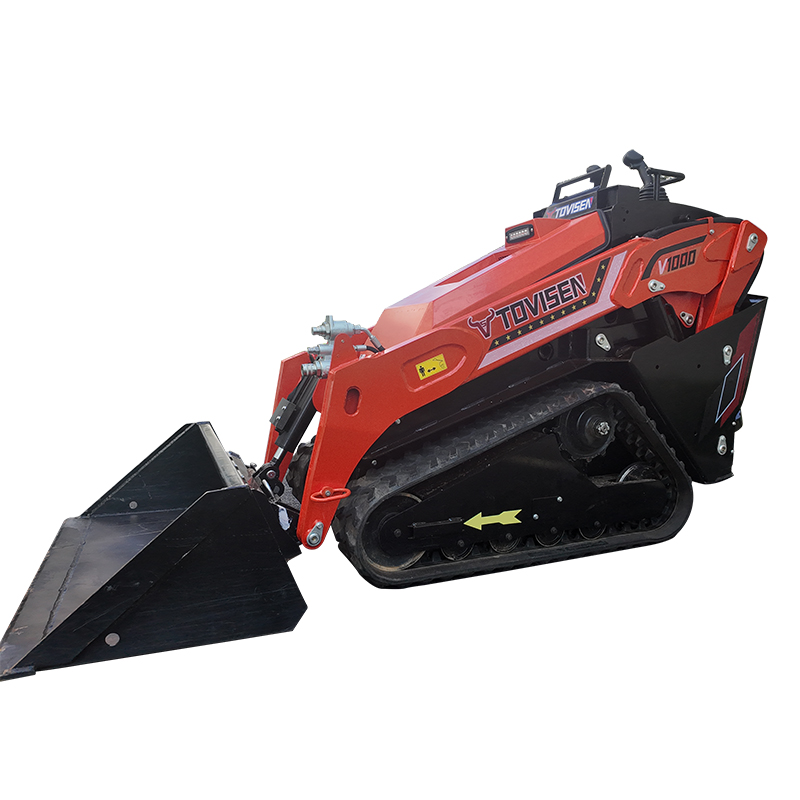
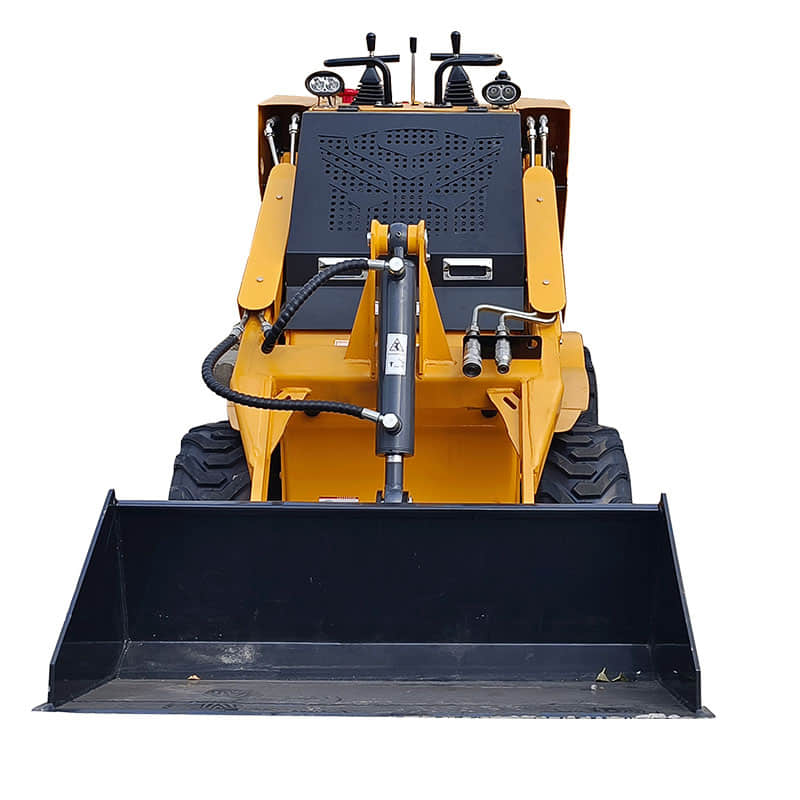
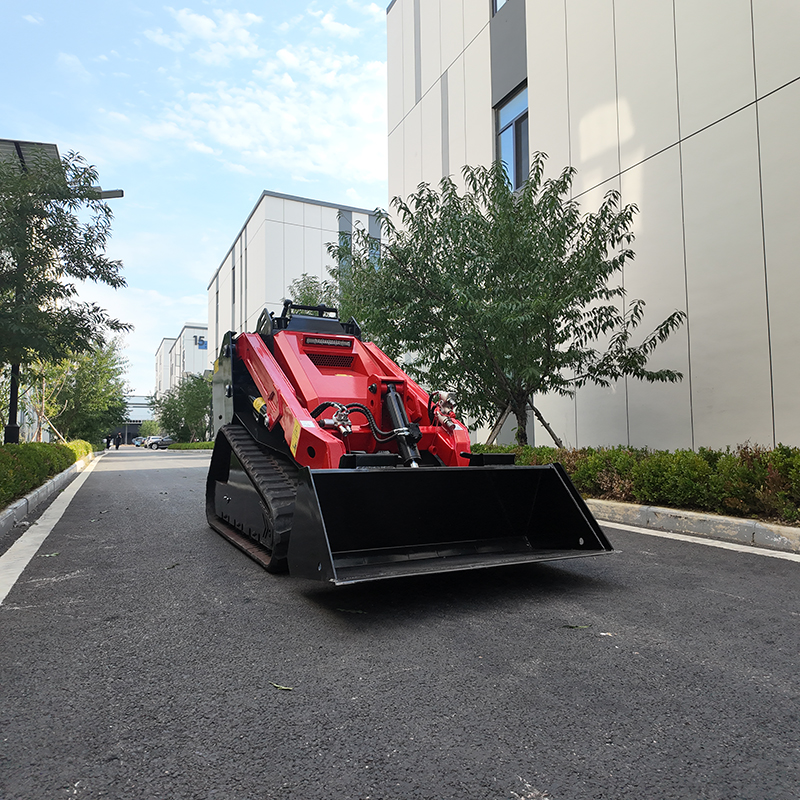
Where horses gather — gate openings, feed spots, the run-in shed — Oregon State University's small-farm guidance recommends a "heavy use area": clear and grade the spot, roll out geotextile fabric, then build up layers of compacted gravel with a footing material on top. The fabric keeps the stone from punching into soft soil, which is exactly the failure mode when people just pour gravel over mud. The excavator strips the sod and grades the area; a compact skid steer on the same site moves and spreads the gravel to finish.
Frequently Asked Questions
Can I just add gravel on top of the mud?
No — gravel dumped on soft ground sinks and disappears within a season. A stable footing starts with geotextile fabric over compacted subgrade, which is why the machine work (stripping, grading, trenching) comes first.
How deep should a paddock drainage trench be?
The Rutgers demonstration trench was 2 feet deep with the perforated pipe buried under about 6 inches of stone. Keep the pipe below grade but above the seasonal water table, and give it an overflow tee and clean-out.
Fixing a Soggy Paddock This Season?
Tell us the job and we will match the machine. Send your name, company, email, main application, the paddock size you maintain, quantity, and your US ZIP code or destination port through our contact page, and we will quote a compact excavator for your drainage work.