Welcome to TOVISEN
Can a Mini Excavator Dig Holes for New Trees?
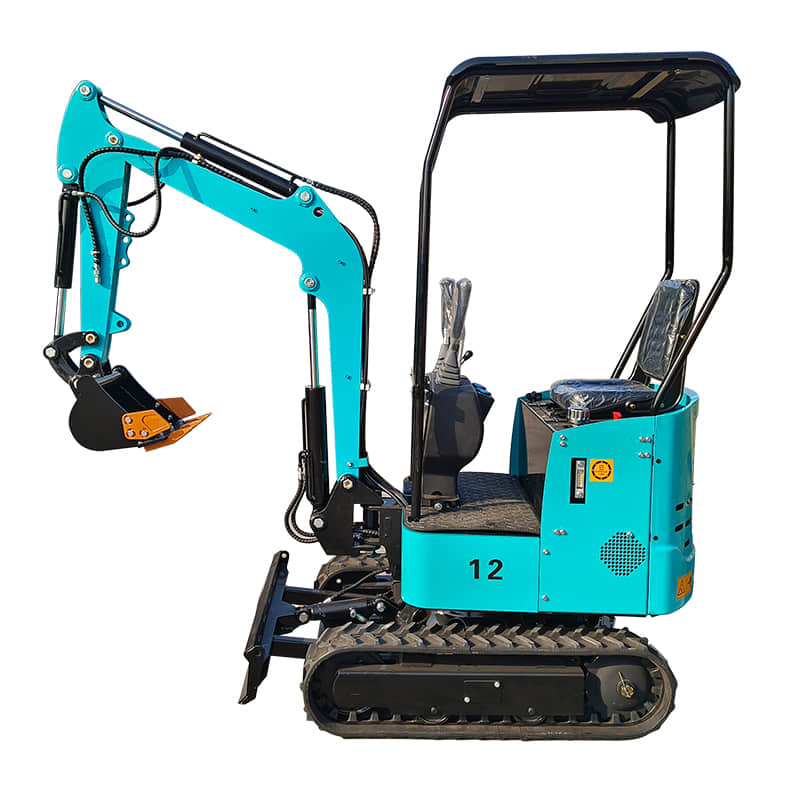
Yes — a compact mini excavator is one of the fastest ways to dig tree-planting holes. A 1.2-ton machine like the TOVISEN 12Q mini excavator fits through a 930 mm (about 36 in) gate opening, digs to 1,717 mm (68 in), and can open a properly sized planting hole in a few minutes with its standard bucket or an auger attachment. What matters more than speed, though, is hole shape, depth, and timing — planting a tree too deep is one of the most common and serious planting errors, according to Clemson Extension.
Why Fall Is the Best Season to Dig and Plant
Clemson Extension's tree-planting guide notes that container-grown trees can technically go in the ground year-round, but fall is the best planting season because roots keep growing through the warm fall and winter months in the Southeast even while the top of the tree is dormant. That extra root growth helps the tree rely less on supplemental irrigation the following summer. Balled-and-burlapped (B&B) trees are traditionally dug and planted in the cooler months after leaf drop.
For contractors, the practical takeaway is simple: tree-planting holes dug in November and December set your customer's trees up to root in before spring, and machine digging lets a small crew plant dozens of holes in a day instead of a handful.
How Big Should the Hole Be?
The sizing rule from Clemson is width over depth: in well-drained soil, the planting hole should be at least twice and preferably five times wider than the root ball. Loose soil around the hole lets roots spread quickly and speeds up establishment.
| Root ball | Hole width (2×–5× rule) | Typical hole depth |
|---|---|---|
| 15-gal container (~13–15 in ball) | 26–75 in wide | Ball height, not deeper |
| B&B tree (~24 in ball) | 48–120 in wide | Ball height, not deeper |
Depth is the part people get wrong. Dig the hole only as deep as the root ball — the tree should sit on firm, undisturbed soil so it cannot settle lower. In poorly drained or compacted ground, Clemson recommends setting the root ball 2 to 4 inches higher than the surrounding grade and building soil up over the sides. Never bury the point where the trunk flares into the roots.
Bucket or Auger: Which Attachment to Use
Both work, and the right choice depends on the hole:
- Bucket: Best for the wide, shallow holes the 2×–5× rule calls for. Sweep the bucket sideways to loosen and mix backfill, then use the flat bottom of the bucket to firm the base of the hole at exactly ball depth.
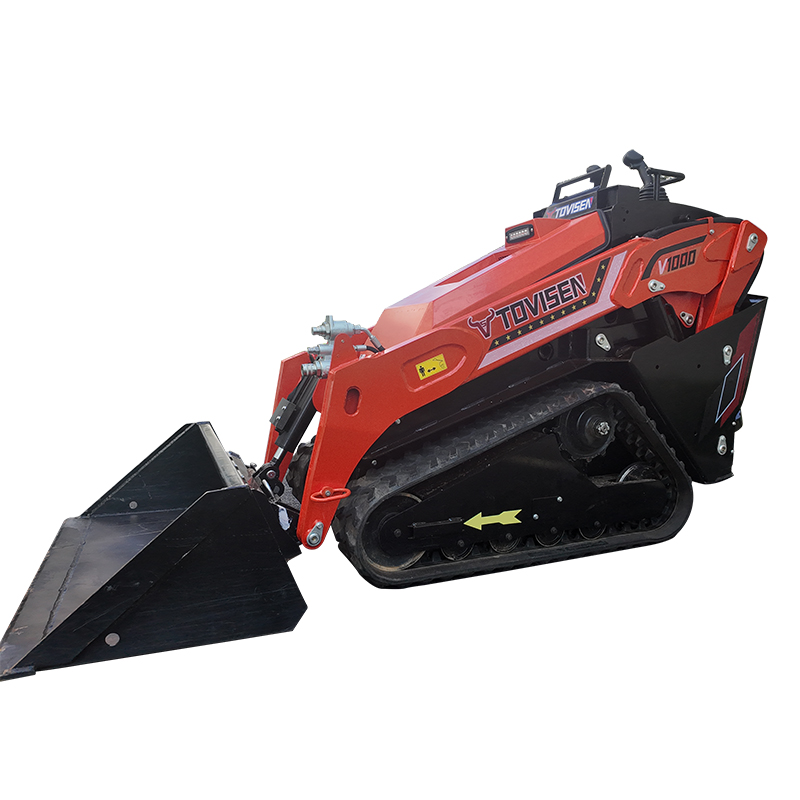
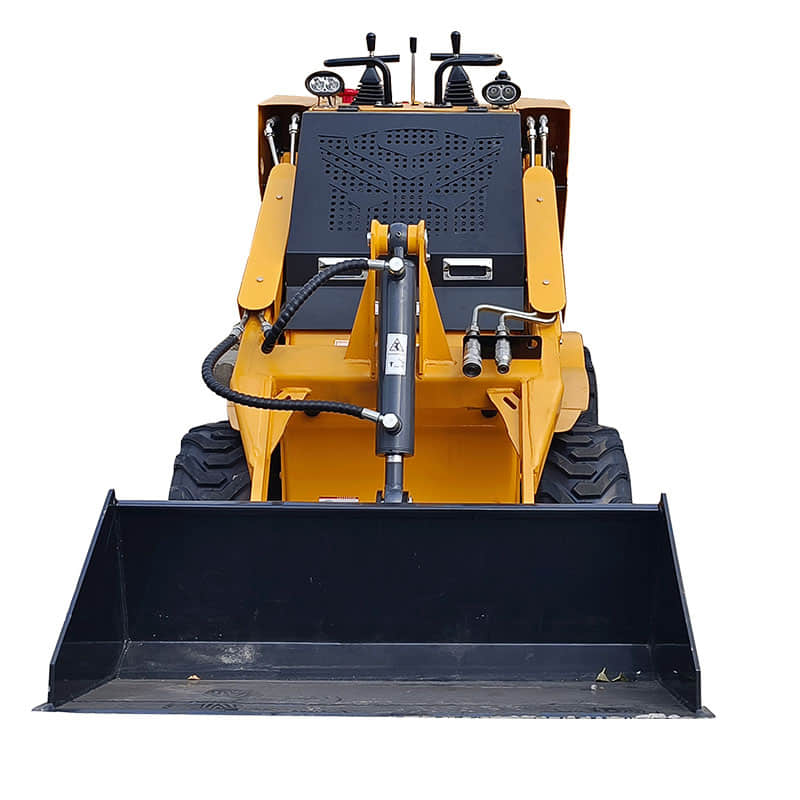
- Auger: Fast for uniform holes in open ground, which is how many nursery operations dig for B&B stock — Clemson's own planting photos show a skid loader with a 36-inch auger opening the holes. Widen the top of an augered hole afterward so the sides are not glazed.
The 12Q accepts an optional auger drill along with a rake, ripper, and grapple, so one machine on a small trailer covers hole digging, backfilling, and cleanup for a planting day.
Finishing the Planting Pit
After the tree is set and backfilled with native soil (not amendments), Clemson recommends a 3-inch layer of bark mulch over the root zone to hold moisture and block weeds — with one critical exception: keep the mulch away from the trunk. Piling mulch against the bark ("volcano mulching") damages the tree.
Water the tree in thoroughly to settle the soil, and check it from two directions to confirm it is plumb before the crew leaves the site.
Frequently Asked Questions
Can a mini excavator dig through clay for tree holes?
Yes, though compacted clay slows production and holds water. In poorly drained clay, set the root ball 2 to 4 inches above grade rather than digging deeper, so the tree does not end up standing in a sump.
How many tree holes can a mini excavator dig in a day?
It depends on ball size and soil, but a single operator digging 3-foot-wide holes typically opens several dozen per day — a job that would take a two-person crew with shovels most of a week.
Planning a Tree-Planting Job?
Tell us the job and we will match the machine and attachments. Send your name, company, email, main application, the tree sizes you plant, quantity, and your US ZIP code or destination port through our contact page, and we will quote a compact excavator package for your planting season.