Welcome to TOVISEN
EU Machinery Regulation 2023/1230: Buyer Checklist
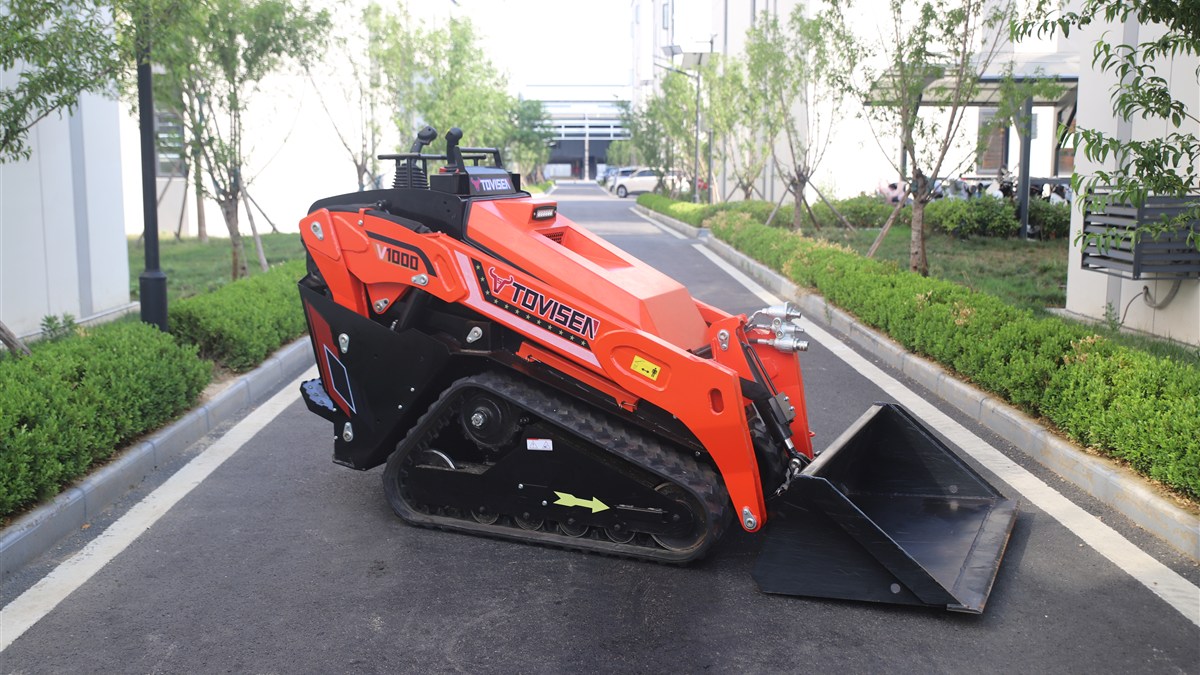
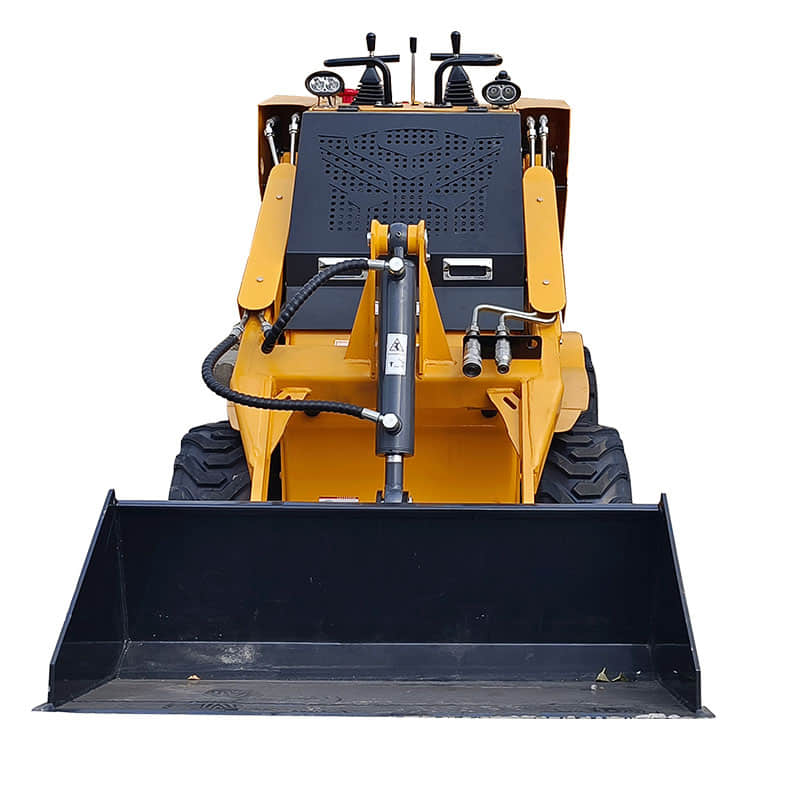
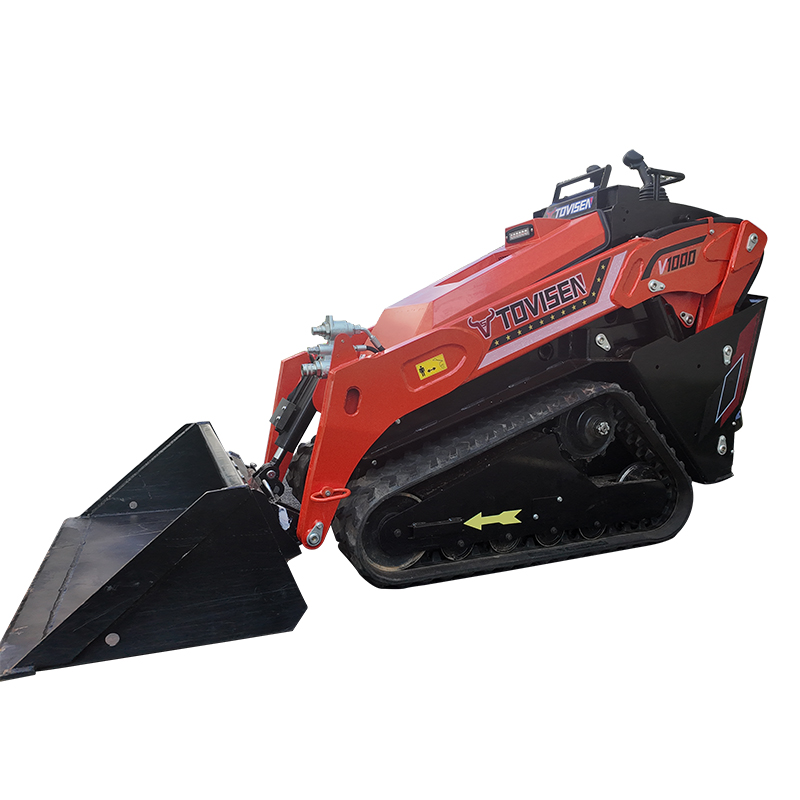
TOVISEN V1000 stand-on mini skid steer loader; compliance depends on the delivered configuration and destination market.
From 20 January 2027, Regulation (EU) 2023/1230 will apply to machinery and related products placed on the EU market or put into service. European buyers should look beyond whether a machine “has CE.” The model, engine, controls, attachments, intended use, destination and supply-chain role all affect compliance. Verify the responsible manufacturer, importer and distributor, and ensure the assessment, declaration, documentation, marking and instructions match the delivered configuration. Later changes may create new obligations. It focuses on procurement due diligence rather than product-specific certification or market approval. This general checklist is not legal advice and does not confirm compliance of any TOVISEN model or configuration.
What Changes on 20 January 2027?
The European Commission states that the Machinery Regulation applies mandatorily from 20 January 2027. Machinery placed on the EU market before that date in conformity with Machinery Directive 2006/42/EC remains under the Directive and may continue to be made available under the transition provisions. For a cross-over order, identify the configuration, who will first place it on the EU market, the expected date and the applicable regime. Contract, completion or shipping date alone does not decide this. See the European Commission machinery overview and the consolidated text dated 27 July 2026.
Classification comes first. A complete excavator or loader will normally be machinery, but an attachment may be interchangeable equipment, partly completed machinery, a tool or another product. Its function determines the documentation and marking route.
Who Is Responsible in the Supply Chain?
| Role | Core responsibilities | Buyer check |
|---|---|---|
| Manufacturer | Meet applicable essential health and safety requirements; prepare technical documentation; complete the conformity assessment; issue the EU Declaration of Conformity; affix CE marking; provide identification and instructions; retain records and take corrective action. | Every item must match the delivered model and configuration. |
| Importer | An EU-established importer may place only compliant products on the market. It must verify the manufacturer’s assessment, technical documentation, CE marking and required documents; provide its own contact details; protect conformity in storage and transport; and cooperate with authorities. | Name the legal EU importer in writing. |
| Distributor | Verify CE marking, the declaration, instructions and required manufacturer/importer identification; withhold a product believed to be non-compliant; protect it in storage and transport; and assist authorities. | Define who performs the pre-delivery check. |
An importer or distributor is treated as the manufacturer for the purposes of the Regulation when it markets a product under its own name or trademark, or modifies it in a way that may affect compliance. A commercial contract cannot remove statutory responsibilities.
CE Marking Is Not a Generic Third-Party Certificate
CE marking is a legal conformity marking, not a certificate issued by the European Commission or proof that a third party inspected every machine. The manufacturer identifies applicable legislation, completes the prescribed assessment, prepares technical documentation, issues the EU Declaration of Conformity and affixes the marking. A notified body is involved only when the assessment route requires one.
The Commission warns that unregulated or “voluntary” certificates do not replace required evidence. Buyers should not treat a generic PDF labelled “CE Certificate” as sufficient. Consult the Commission’s official CE marking guidance.
Ten Checks Before Ordering or Shipment
- Freeze the configuration. Record the model, serial or batch, construction year, engine, controls, safety devices, options, attachments and intended use. A similar base model is not enough.
- Confirm the transition date. Record when and by whom the product is expected to be first placed on the EU market. This determines whether the Directive or the Regulation applies.
- Confirm classification. Determine whether each item is machinery, interchangeable equipment, partly completed machinery, a lifting accessory, a tool or another product. Partly completed machinery uses an EU Declaration of Incorporation and assembly instructions rather than the documentation for complete machinery.
- Review the declaration. It should identify the product and manufacturer, state sole responsibility, cite applicable Union legislation and relevant standards or specifications, and be signed and dated. Any notified-body details must match the assessment route.
- Confirm technical-documentation readiness. The manufacturer must prepare Annex IV documentation and retain it for at least 10 years. The full proprietary file need not go to every buyer, but its availability to authorities and the required safety, installation and maintenance information should be confirmed.
- Inspect marking and traceability. Check CE marking, model or type, construction year, serial or batch identification, manufacturer contact details and, where applicable, EU importer details.
- Check destination-language instructions. Instructions and safety information must be understandable in the Member State. Digital instructions must be printable, downloadable, savable and accessible for the expected product lifetime and at least 10 years. A paper copy must be supplied free within one month when requested at purchase.
- Verify configuration-specific safety evidence. Depending on use, check stability, braking, visibility, ROPS/FOPS, lifting data, remote-control loss-of-signal behavior and relevant tests. One report may not cover every option.
- Control attachments and later changes. Record approved machine-and-attachment combinations, installation requirements, hydraulic limits and operating boundaries before shipment or modification.
- Plan document handover and corrective action. Keep the declaration version, instructions, marking photographs, serial list and approved configuration together. Define who investigates safety complaints, updates instructions and manages corrective action, withdrawal or recall where required.
Attachments and Substantial Modifications
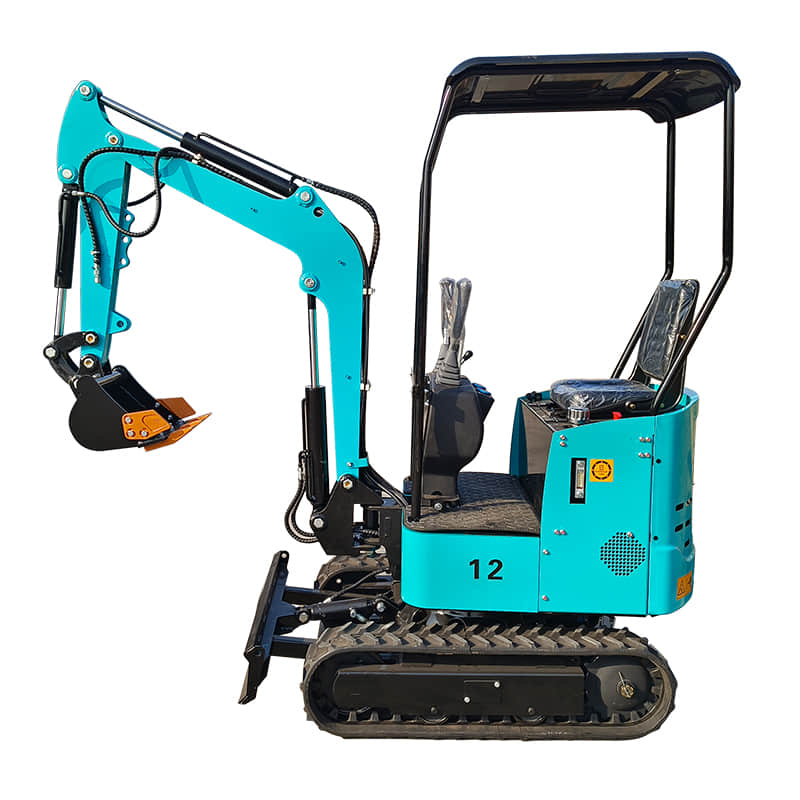
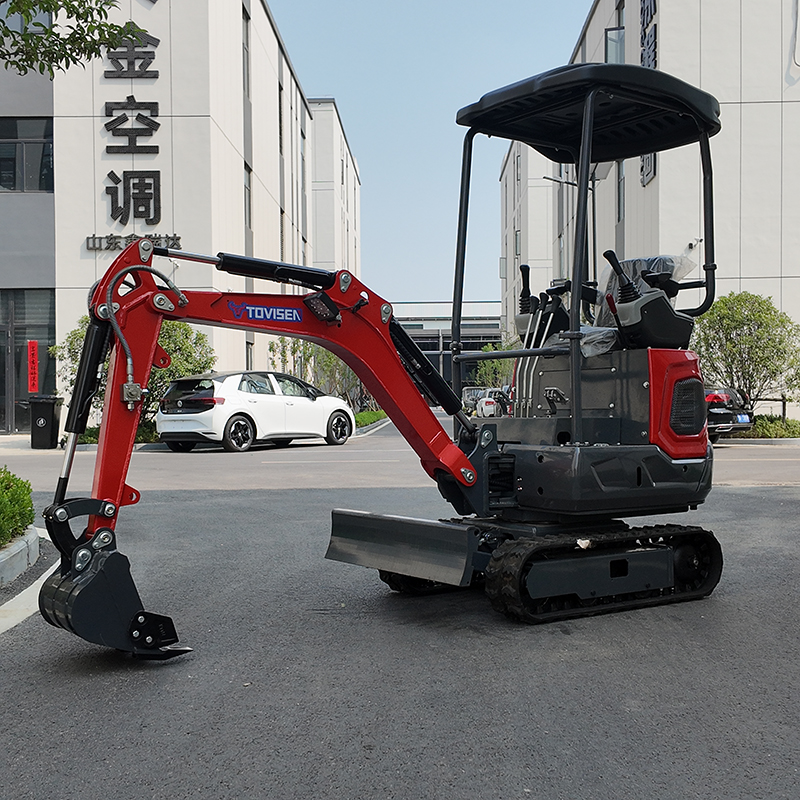
For breakers, augers, grapples, quick couplers and other mini excavator attachments, compatibility is more than pin size. A combination can affect stability, hydraulic limits, guarding, visibility, controls and foreseeable misuse. Obtain the approved carrier range, installation requirements and operating limits.
A substantial modification is an unplanned physical or digital change after market placement or first use that creates a new hazard or increases an existing risk and requires specified protective measures. When those conditions are met, the person making it is treated as the manufacturer for the affected machinery and must perform the relevant conformity assessment. Routine repair or maintenance that does not affect compliance is not automatically substantial. Assess changes to controls, safety software, load limits, guards, hydraulics and attachment interfaces before implementation.
Other EU Rules Still Need Separate Checks
Machinery compliance is only one layer. Non-road engine emissions may require model-specific verification under Regulation (EU) 2016/1628 on Stage V. Electrical systems may require assessment under the EMC Directive; radio controls or wireless connectivity may bring the Radio Equipment Directive into scope. Applicability depends on the exact product, engine and communications configuration. Evidence under one law does not prove compliance under another.
Make Compliance a Purchasing Deliverable
Apply this checklist to every specific mini excavator, TOVISEN V1000 stand-on mini skid steer loader and attachment combination. Assign the manufacturer, importer and distributor roles before shipment, then make the correct declarations, destination-language instructions and configuration control contractual deliverables.
This article is educational, not legal advice. It does not state that any TOVISEN model, engine, attachment or configuration has completed an EU conformity assessment. Claims should be made only after qualified professionals verify the applicable legislation, technical evidence and delivered configuration.
For a model-specific document checklist, contact TOVISEN with the machine model, engine, attachments, destination country and intended use.