Welcome to TOVISEN
How to Compare Mini Skid Steer Loader Suppliers?
What Actually Separates a Good Supplier From a Cheap One
In 2026, choosing a mini skid steer loader supplier is no longer just about the lowest unit price. The price gap between two factories disappears the first time a machine sits idle for three weeks waiting for a seal kit. Whether you are evaluating TOVISEN or another manufacturer, judge every supplier on five things: hydraulic specification, compliance paperwork, attachment compatibility, parts availability, and lead-time discipline. This guide turns each into questions you can actually ask — and the answers that should disqualify a supplier on the spot.

1. Hydraulics: Ask for Flow at the Coupler, Not Horsepower
Horsepower sells machines; hydraulic flow does the work. Two machines with identical engines can behave completely differently with a trencher or auger attached, because attachment performance depends on rated hydraulic flow at the quick-attach coupler — standard flow versus high-flow changes which attachments the machine can run at all.
Rated Operating Capacity (ROC): the load the machine is rated to carry safely. Ask how it was determined — credible suppliers reference the SAE J818 test standard and publish the figure in the spec sheet rather than quoting it verbally.
Rated flow vs peak flow: ask for continuous rated flow at the coupler, not a peak number measured without load.
Pump type: gear pump versus piston pump changes both cost and service life — ask what is installed and what the warranty covers.
2. Compliance Paperwork: Certificates, Not Logos
Every supplier claims EPA and CE. The difference is what happens when you ask to see the documents. Use this table to score each supplier:
| Item | Acceptable answer | Disqualifying answer |
|---|---|---|
| Emission certification | Engine family number + Certificate of Conformity offered with the quote | "All our machines are EPA certified" without documents |
| CE marking | Declaration of Conformity naming the applicable directives | A CE logo in an email signature |
| Quality system | ISO 9001 certificate with scope and expiry date | Uncertifiable claims like "factory quality control" |
| US import support | Walks you through EPA Form 3520-21 | Doesn't know what the form is |
For the US specifically, certification details matter more than most buyers expect — gasoline and diesel engines follow different EPA regulations. Our guide to EPA certification for mini excavators in the US covers exactly which documents to demand before shipping.
3. Attachment Compatibility: One Standard, or Proprietary?
A mini skid steer is only as versatile as the attachments it can run. Check whether the machine uses the universal mini universal quick-attach plate or a proprietary interface. A proprietary mount locks you into one supplier's price list for the life of the machine.
Confirm the coupler plate dimensions against your existing attachments before ordering.
Ask which attachments the factory has actually tested on that model — not just "it fits".
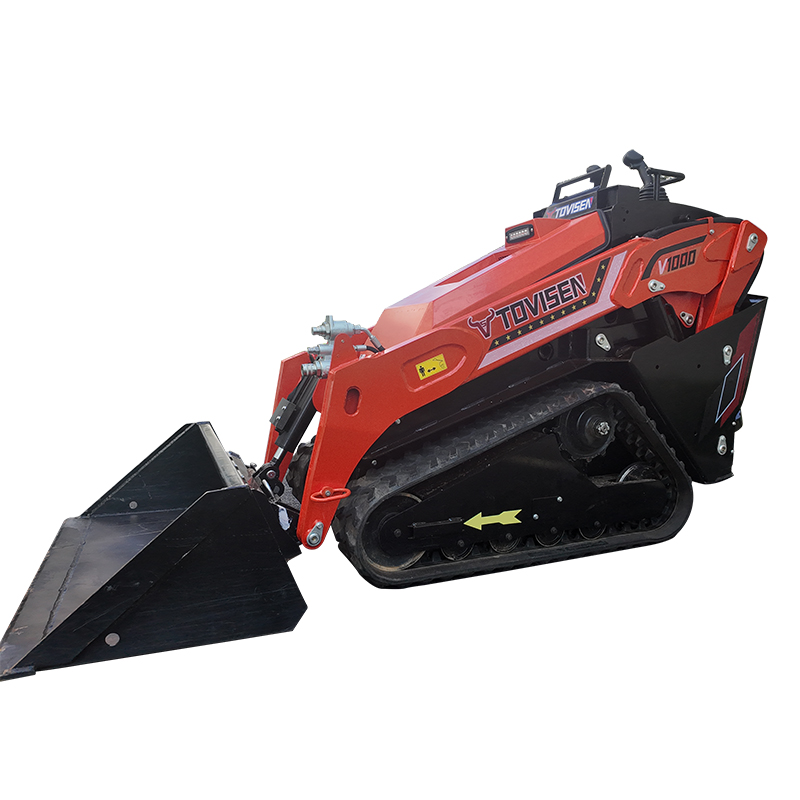
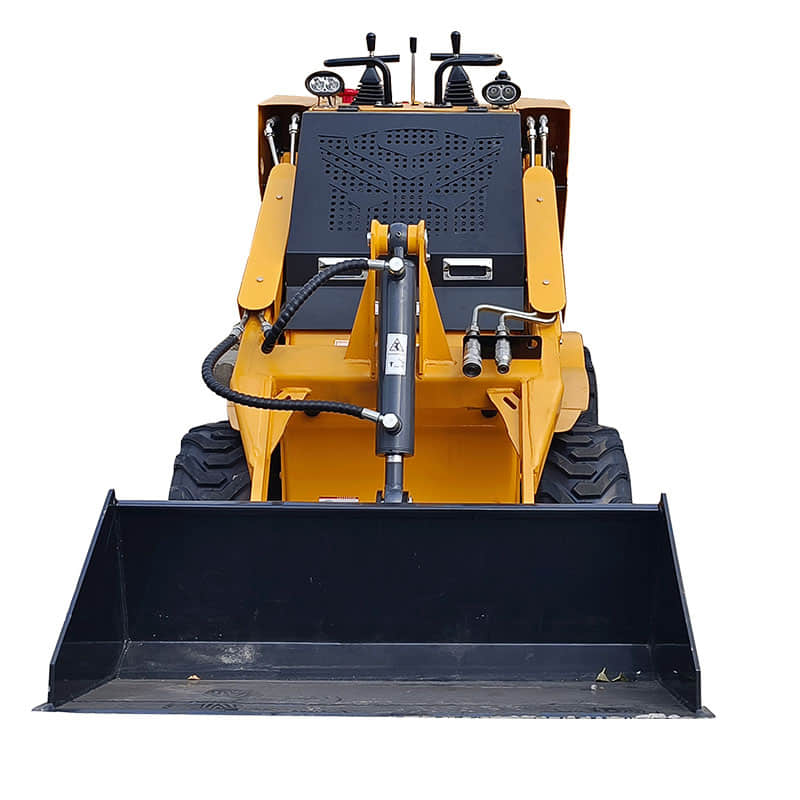
Browse the skid steer attachment range to see what a complete ecosystem looks like in practice.
4. Parts and Supply Chain: The Question That Predicts Downtime
Before signing anything, ask the supplier for three documents:
A parts manual for the exact model, with exploded diagrams.
A wear-parts price list — filters, teeth, tracks, seals — so you can price downtime before it happens.
The origin of major components — engines and hydraulics from globally recognized brands (Kubota, Yanmar, Danfoss and similar) mean your local dealer can cross-reference parts years later.
Then ask about lead time: production time, container loading schedule, and port of loading. A supplier who answers with specific weeks and a loading plan is a different class of partner from one who answers "15–20 days, maybe". Our guide covers production and delivery lead times in detail.
5. Red Flags That Should End the Conversation
| Red flag | Why it matters |
|---|---|
| No certificate copies, only claims | Customs doesn't clear machines on promises |
| Specs that change between quotation and PI | Indicates a trading company reselling whatever is available |
| No named contact engineer for technical questions | You'll need one the day an error code appears |
| Videos but no factory address or audit report | Video is cheap; a verifiable factory visit is not |
| Warranty with no parts commitment | A warranty is worthless if the part ships in 45 days |
Score Every Supplier the Same Way
Run every candidate through the same five checks — hydraulics, compliance documents, attachment compatibility, parts support, lead-time discipline — and score them out of five. The supplier who documents everything wins even at a 10% price premium, because the documentation is what keeps the machine earning after it lands.
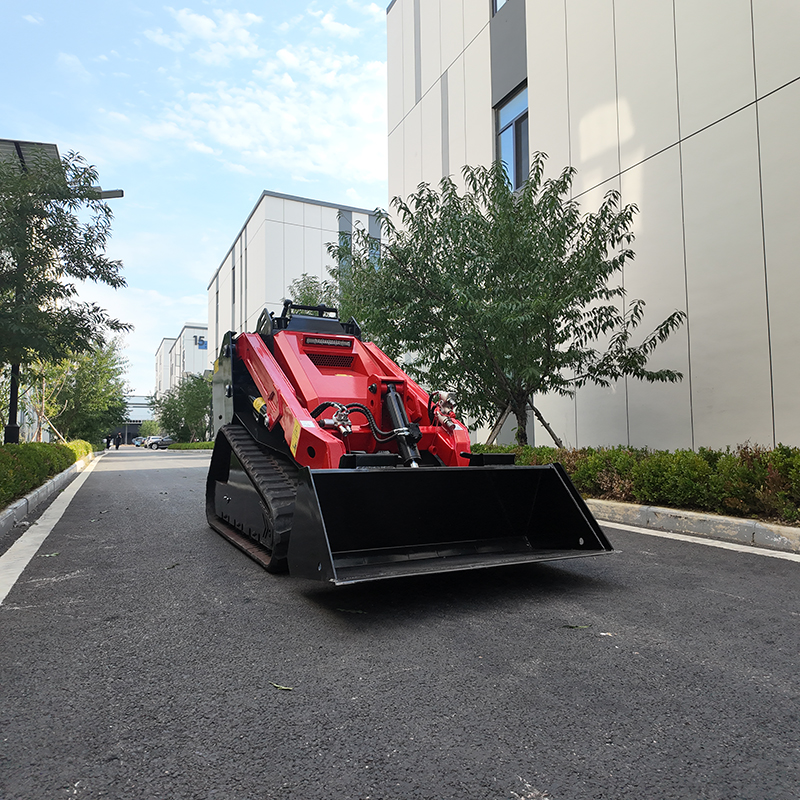
For the wider import picture — incoterms, container loading and regulatory paperwork — see the import compliance guide, and compare actual machine specifications across the skid steer loader range.
FAQ
What is Rated Operating Capacity and why does it matter?
ROC is the load a machine is rated to carry safely in the bucket — the figure that tells you whether it can actually do your daily work, not just move around. It should be determined to a published test standard (SAE J818) and stated in the spec sheet. Ask for it in writing.
How do I verify a supplier's EPA certification?
Ask for the engine family number and the Certificate of Conformity before the deposit, and check that the number matches the engine installed on your machine. The full document checklist is in our US EPA certification guide.
Is a lower price from a trading company a bad sign?
Not always — but a trading company cannot commit factory resources to parts, warranty claims or configuration changes. If the price gap is meaningful, ask directly whether the quote is factory-direct and request a video call with the production engineer who will build your machine.
Want a second opinion on a quote? Send us the specification you're comparing — the factory team will give you a straight answer on configuration, certification and lead time.