Welcome to TOVISEN
Is Importing Small Skid Steer Loaders from China Profitable?
Short Answer: Yes, for Most Importers — but Margin Depends on Four Things You Control
Importing small skid steer loaders from China can be profitable, and for many dealers it is. But the profit is not automatic, and it does not come from a magic factory price. It comes from four decisions you make as an importer: which machine class you buy, how well you handle certification and freight, how complete your attachment offering is, and whether your supplier can actually support parts two years after delivery. This guide breaks down each factor with the real variables involved — no inflated promises.
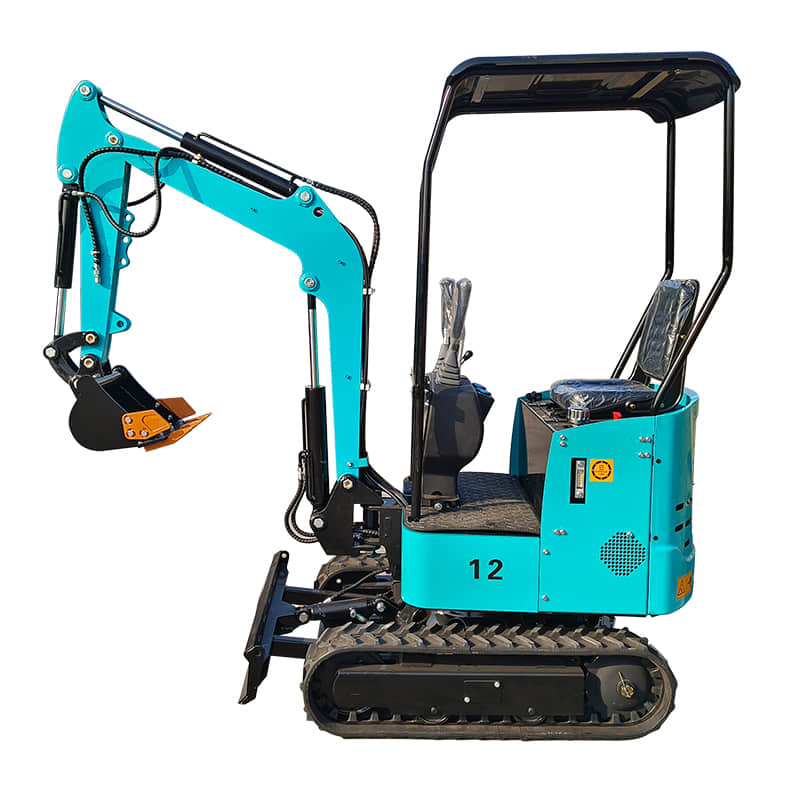
At TOVISEN (Jining, Shandong), we build the FOREST CAT line of mini skid steer loaders and compact excavators and export them worldwide. Below is the same analysis we walk through with first-time importers before they place a trial order.
Where the Margin Actually Comes From
A skid steer import business is a landed-cost business. The factory price is only one line in the stack. Before comparing any quotation, build a full cost table like this:
| Cost Layer | What It Includes | Who Controls It |
|---|---|---|
| FOB unit price | Machine + standard bucket, loaded at the Chinese port | Supplier |
| Freight & insurance | Container or RO-RO shipping to your port | Your freight forwarder |
| Duty & taxes | Import duty, VAT/GST in your country (HS 8429.54 for most skid steers) | Your customs broker |
| Compliance cost | CE/EPA documentation, any local homologation | Shared — see note below |
| After-sales reserve | Spare filters, hoses, quick-attach pins kept in local stock | You + supplier support |
Importers who skip the last two layers are the ones who lose money. Importers who price the whole stack — and sell attachments alongside the machine — are the ones who stay profitable. That is also why machine-only pricing comparisons between suppliers are misleading: two quotes that differ by $300 on FOB can differ by far more once paperwork quality and parts support are priced in.
Why the Chinese Supply Base Keeps Landed Costs Competitive
The structural reason is industrial clustering, and Jining in Shandong Province is one of the clusters. When engine options (Kubota, KOOP, Briggs & Stratton), hydraulic components, rubber tracks, and steel fabrication are all within a few hours' drive, two things happen: assembly lead times shorten, and replacement parts ship without a cross-country wait. For an importer, that translates into shorter reorder cycles and fewer machines sitting idle waiting for a hose or a drive motor.
This is a qualitative advantage you can verify: ask any supplier where their engines, pumps, and track suppliers are located, and how quickly a spare-part order ships. A supplier that cannot answer that clearly is a trading company, not a manufacturer — see our guide on how to compare mini skid steer loader suppliers for the full checklist.
Which Machine Class Fits Your Market
"Profitable" depends heavily on matching machine class to local demand. The two classes we export most are:
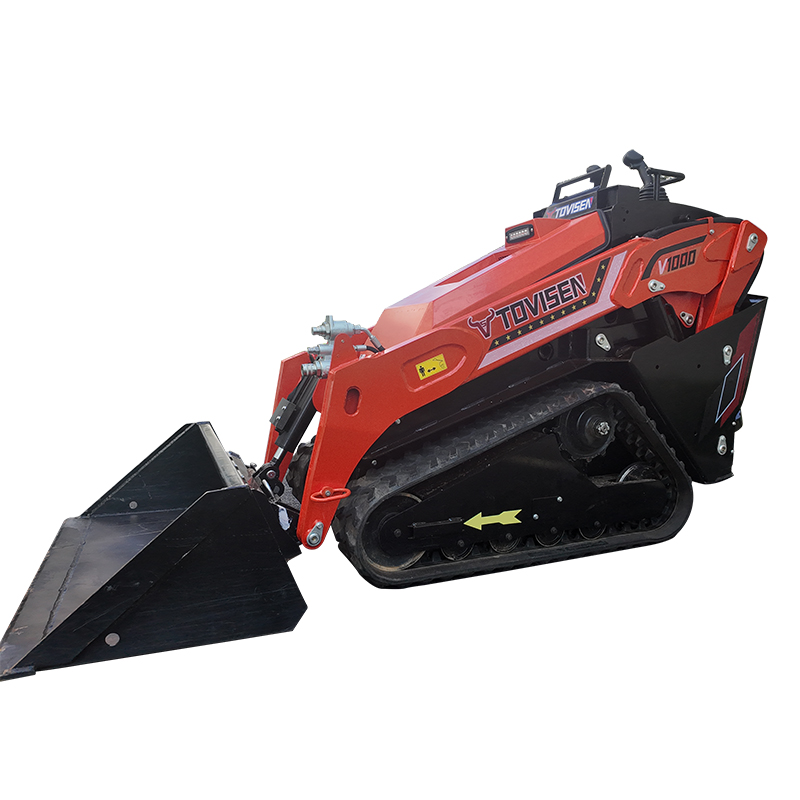
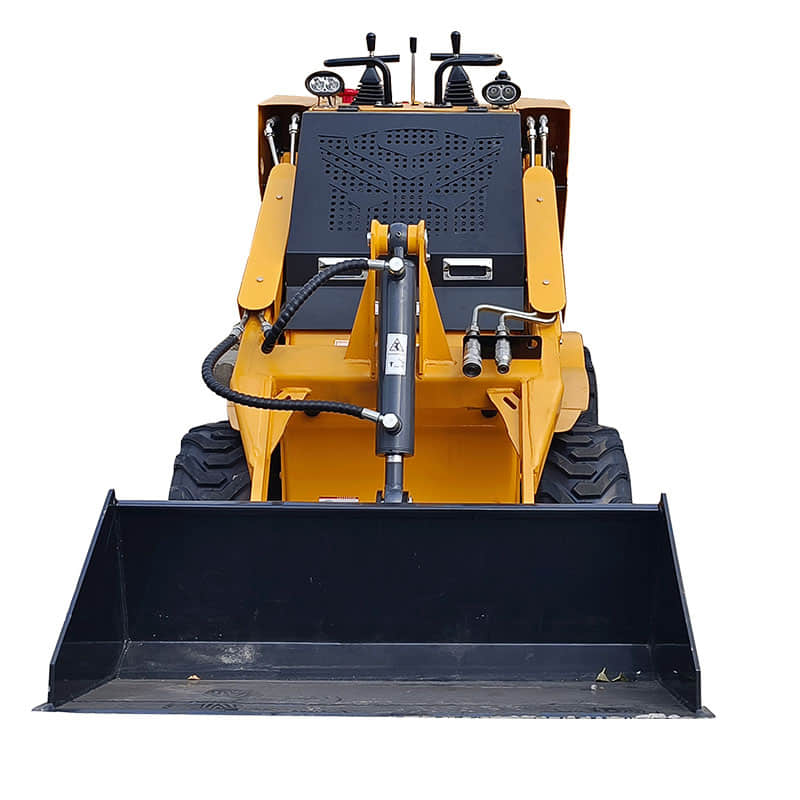
Stand-on mini skid steer loaders — the S460 and its siblings fit landscaping crews, fence builders, and rental fleets. Narrow width means they work in backyards where full-size skid steers cannot go, and their price point lets first-time buyers enter the market.
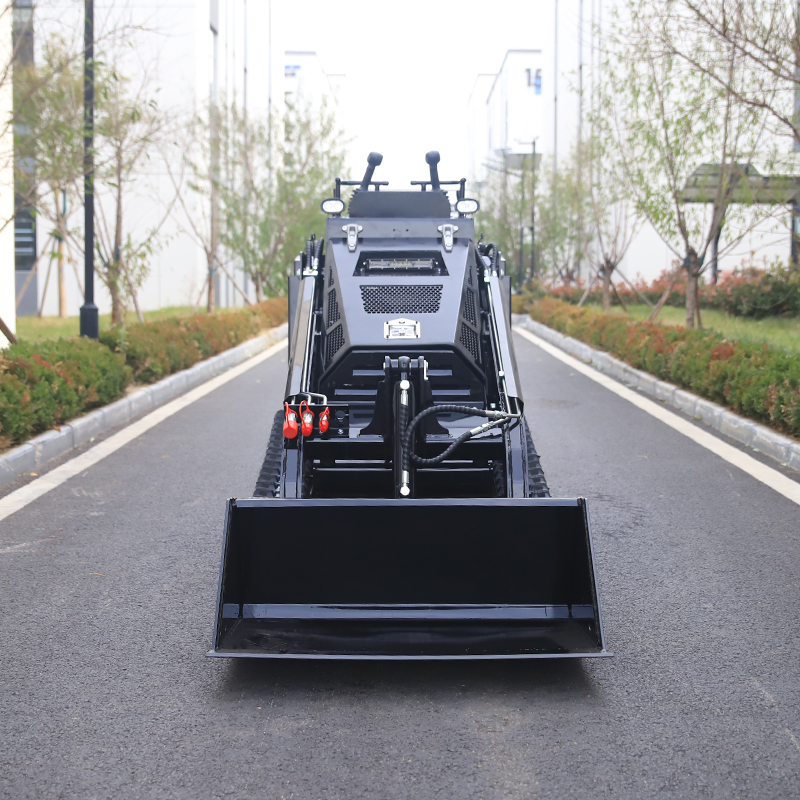
Compact tracked loaders — the T460 class trades a bit of speed for lower ground pressure, which is what clay-soil and soft-ground markets ask for.
Demand profiling matters more than any factory pitch. We maintain a separate breakdown of where mini skid steer demand is growing and which markets they fit — read it before you commit to a container quantity.
Attachments: The Part of the Deal Most Importers Underprice
The machine is the entry ticket; attachments are the recurring revenue. A mini skid steer with a universal quick-attach plate runs augers, trenchers, breakers, rakes, and buckets — which means one machine sale turns into a stream of follow-up orders. Our skid steer attachment catalog covers the standard range, and pairing a machine with three or four job-matched attachments is how most of our dealers structure a first container.
If your target market does seasonal work, plan for it: snow removal and land clearing are the two highest-attachment-rotation applications — see which attachments earn the most in land clearing and snow removal.
Certification and Compliance: Solve It Before You Negotiate Price
Nothing erases a container's profit faster than a customs hold. Depending on your destination market, you will deal with CE marking (EU/UK), EPA emission rules (US), or local equivalents — and the paperwork must match the engine actually installed on your machines. We cover the document list in our mini skid steer loader import compliance guide, including what a valid certificate of conformity looks like and which customs forms apply.
One practical rule: ask for the emission certificate for the exact engine serial range before paying the balance, not after the container sails.
A Realistic First-Order Path
Define your market: who rents, who buys, what jobs dominate — and therefore which machine class and attachments.
Request quotes with the full stack: FOB price, engine brand and emission certificate, warranty terms, parts price list, and lead time for a repeat order.
Start with a trial container: typically a mixed load of machines plus attachments, sized so you can sell through in one season and reorder with data.
Keep a local parts box: filters, hoses, wear parts. Downtime, not price, is what loses a dealer its local reputation.
Every established dealer we work with followed some version of this path. The ones who skipped step 2 usually paid for it at customs; the ones who skipped step 4 usually paid for it in reputation.
Frequently Asked Questions
Is importing a mini skid steer loader from China actually cheaper after duties and freight?
For most machine classes, yes — the factory-direct price gap is wide enough to absorb freight and duty in most destination markets. But the honest answer depends on your landed-cost table, not on a supplier's claim. Build the full stack (FOB + freight + duty + compliance + after-sales reserve) for two or three suppliers and compare those totals, never the FOB line alone.
What certifications do I need to import small skid steer loaders?
It depends on the destination: CE for the EU/UK, EPA compliance for the United States, and local emission or safety registrations elsewhere. The critical point is that the certificate must cover the exact engine fitted to your machines. Our import compliance guide lists the documents to request before shipment.
How should a first order be structured?
Most first-time importers start with a trial container: two to four machines plus a matched set of attachments for their dominant local applications. This keeps inventory risk low while giving you real market feedback before you scale to full containers.
Get a Landed-Cost Worksheet for Your Market
Tell us your destination port and target applications, and we will send a machine + attachment proposal with the certification documents included — the same package our repeat dealers start from. Request a quote from TOVISEN.