Welcome to TOVISEN
Should I Buy or Rent a Mini Excavator? Cost Comparison & Expert Guide (2026)
Buy a mini excavator if you expect to put it to work most weeks — owning wins on cost once utilization is steady. Rent one if the job is short, one-off, or you want to test the machine class before committing. Everything else in the decision — budget, maintenance, transport, resale — follows from that one question: how many hours will this machine actually run each month?
Here is how the trade-offs break down, and where the line usually sits.
When Buying Makes Sense
Frequent work. Construction, landscaping, and farm jobs that come up week after week — not a single weekend project.
Multiple attachments in play. Augers, breakers, grapples, and thumbs multiply what one machine can do; a rental yard charges per attachment per day.
You control availability. The machine is on your trailer at 7 a.m., not waiting on a rental yard's stock or delivery slot.
Residual value. A maintained mini excavator holds resale value, which offsets part of the purchase price when you upgrade.
When Renting Makes Sense
One-time or short projects. A backyard pond, a single drainage line, a fence row — the rental bill stays smaller than a purchase.
Limited upfront budget. No capital tied up, no storage, no insurance on an owned asset.
Testing before you buy. Running a 1.5-ton and a 1.8-ton back to back tells you more about the size you need than any spec sheet.
The catch: rental rates compound. A machine rented for a few weeks a month, month after month, quietly costs more than owning it — and you never build equity.
Cost Comparison at a Glance
| Factor | Buying | Renting |
|---|---|---|
| Upfront cost | Higher — full purchase price | Lower — daily or weekly rate |
| Long-term cost | Lower the more hours it runs | Climbs with every rental day |
| Availability | Always on hand | Depends on rental stock |
| Maintenance | Owner's responsibility | Rental company handles it |
| Attachment costs | Buy once, use for years | Charged per attachment, per rental |
| Resale value | Recovers part of the cost | None |
The Hours Rule of Thumb
Ask any owner-operator and you will hear a version of the same rule: if the machine will realistically run more than 60–80 hours a month, buying usually pencils out; below that, renting is the cheaper path. It is a rule of thumb, not a law — the exact break-even depends on your local rental rates, transport costs, and how well you maintain the machine. What is not arguable is the direction: every added hour of utilization moves the math further toward ownership.
Payback period varies too much to quote a single number — it depends on what rentals cost in your region and how steadily the machine works. Track your expected monthly hours for a year; that forecast settles the buy-versus-rent question faster than any price list.
If You Buy: Two Machines That Cover Most Jobs
Most residential and light-construction work sits between two TOVISEN classes:
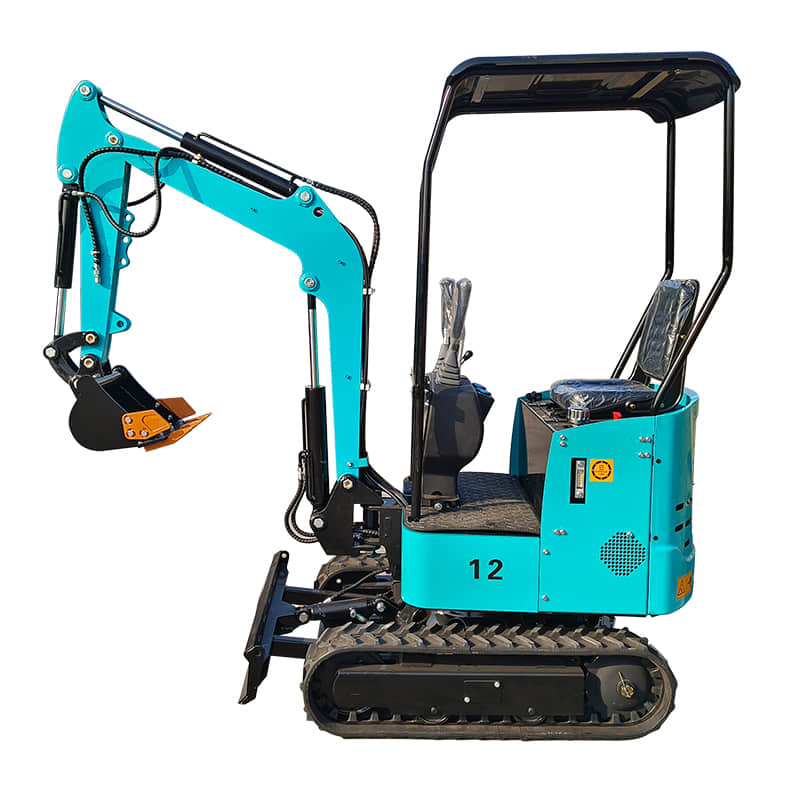
15Q Mini Excavator — 1.5-ton class, Kubota D722 engine, 930–1,150 mm working width, digs to 1,717 mm. The tight-access pick for landscaping and utility work.
TC-18Q Mini Excavator — 1.8-ton class, more digging force and reach for construction and bulk-earth jobs.
Both run reliable Kubota or LAIDONG engines, work in tight spaces, and accept a range of mini excavator attachments — the multiplier that makes ownership pay. Compliance paperwork for your destination market is available on request.

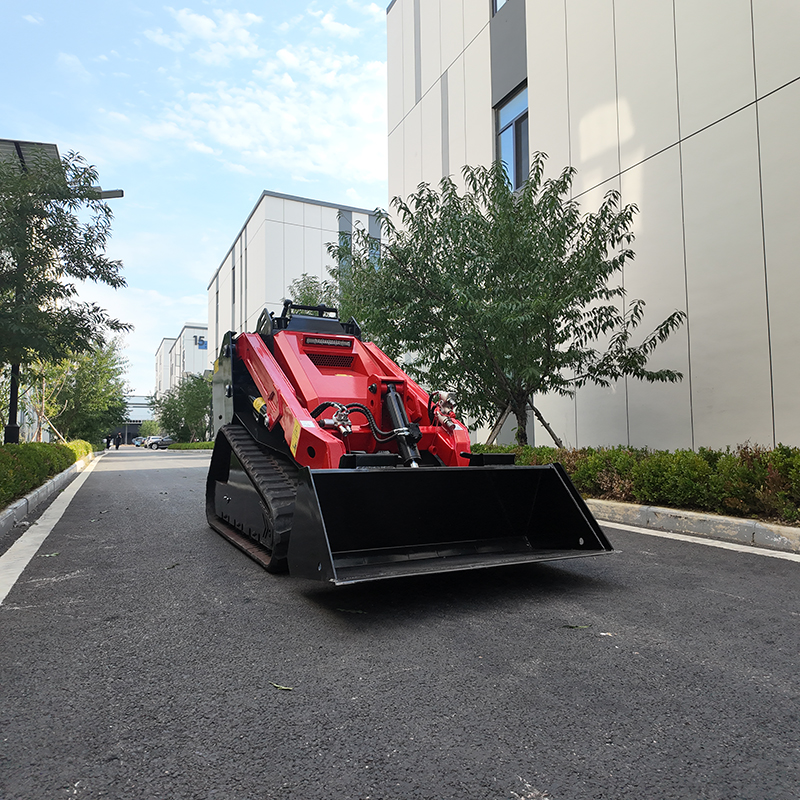
Product photo taken at the factory, not a customer jobsite.
FAQ
Is renting ever cheaper than buying?
Yes — for genuinely occasional use. If a machine runs a few days a quarter, rental rates, delivery, and the rental yard's maintenance coverage beat the purchase price, storage, and service costs of ownership. The crossover happens when usage becomes weekly; beyond roughly 60–80 hours a month, owning is almost always cheaper per hour.
What size mini excavator is best to buy first?
For most first-time buyers, a 1.5–1.8-ton machine is the sweet spot: light enough to tow and position on residential lots, wide enough in capability to take augers, breakers, and thumbs, and cheap enough to reach payback quickly. Sub-1-ton machines trade capability for access; 2-ton-plus machines need more transport planning than most owner-operators want.
Get Factory-Direct Pricing
Tell us your expected monthly hours, soil conditions, and destination port, and TOVISEN will recommend the right class with a factory-direct quote. Send your name, company, email, and project details through the contact form on our site.