Welcome to TOVISEN
Can a Mini Excavator Fix a Yard That Drains Toward the House?
Yes — fixing a yard that drains toward the house is earthmoving, not gardening: strip the soil banked against the foundation, cut a positive slope, dig a shallow swale for the runoff, and re-route the downspouts. A mini excavator plus a wheelbarrow-sized pile of patience does in a weekend what homeowners put off for years.

First, Prove the Problem
Walk the perimeter during or right after a hard rain. Water flowing toward the house, puddles that sit against the foundation for more than a day, damp basement corners — those are the symptoms. The EPA's mold guidance lists landscaping, gutters and downspouts that direct water into or under a building among the most common moisture problems, and it treats surface drainage as the first line of defense: waterproofing and footing drains are meant to back up good grading, not replace it.
Confirm the slope with a string line: run a level line from the foundation wall out ten feet and measure the drop. Less than six inches, or worse, ground that rises toward the house — that's the target.
The Number to Hit
The standard used across US building codes, including the International Residential Code, calls for the finished grade to fall at least six inches within the first ten feet from the foundation — roughly a five percent slope. In heavy-rain or clay-soil regions, more is better. Hard surfaces near the house should shed water too: patios and walks about 1 to 2 percent away from the building.
The Machine Work, Step by Step
1. Strip the banked soil. Years of mulch and settled backfill ride up against the wall. Dig it back to expose the foundation wall and get a true reading of the grade.
2. Fill with compactable material, not topsoil. Add clean fill dirt against the foundation in shallow layers, tamping each one. Loose topsoil settles and the negative grade returns within a season.
3. Pull the slope. From the ten-foot line, blend the new grade into the existing yard so water keeps moving — no lips or berms that trap it halfway.
4. Cut a swale if there's nowhere to drain. A shallow, grassed channel a few inches deep steers roof and yard runoff to a side yard, a rain garden, or the street, where gravity takes over.
5. Re-route the downspouts. A downspout dumping at the wall undoes all the grading. Extend them into the swale or a buried line that daylights far from the house.
Don't Just Dump Topsoil and Walk Away
Fresh soil vanishes if it isn't finished. Cap the new grade with topsoil, then sod or seed it before the first heavy rain — bare fill on a slope washes out in one storm. Keep mulch beds thin and stop them six inches short of the siding so the foundation wall stays exposed and dry. Give the fill a month, then re-run the string line: soil that has settled tells you where to top up.
Which Machine Fits the Job
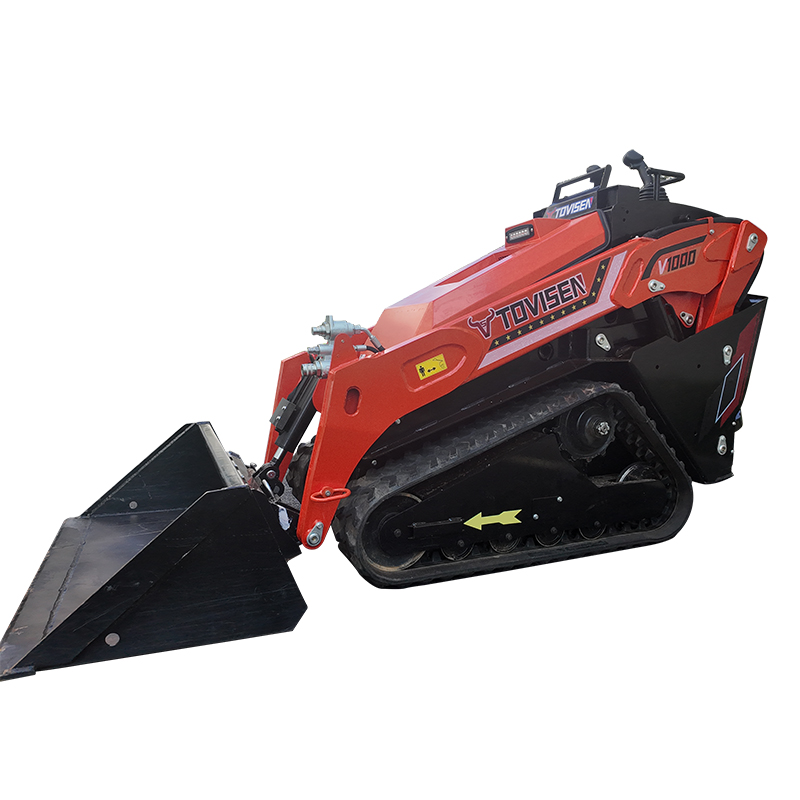
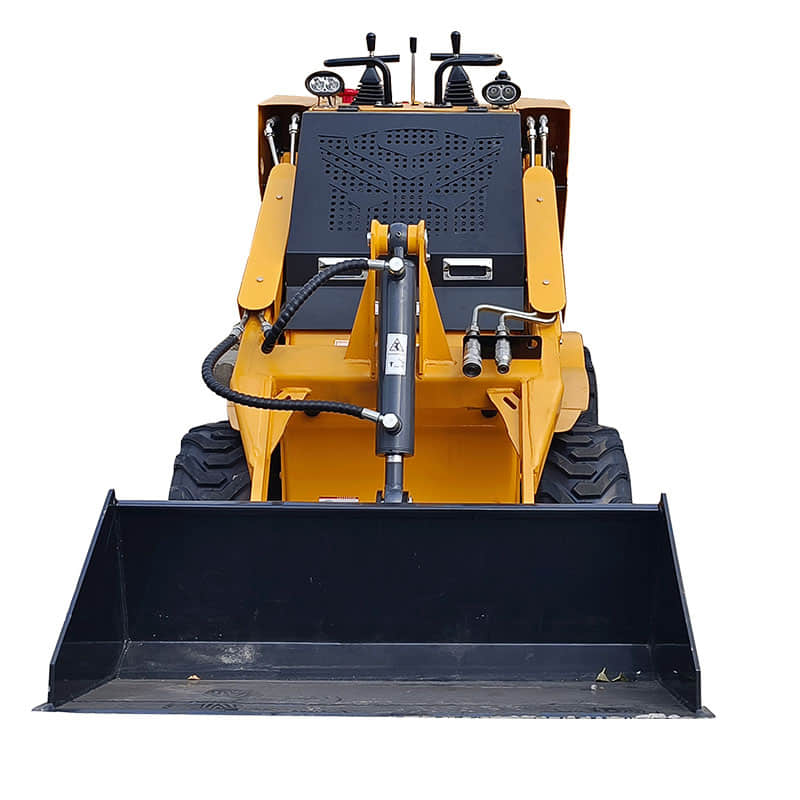
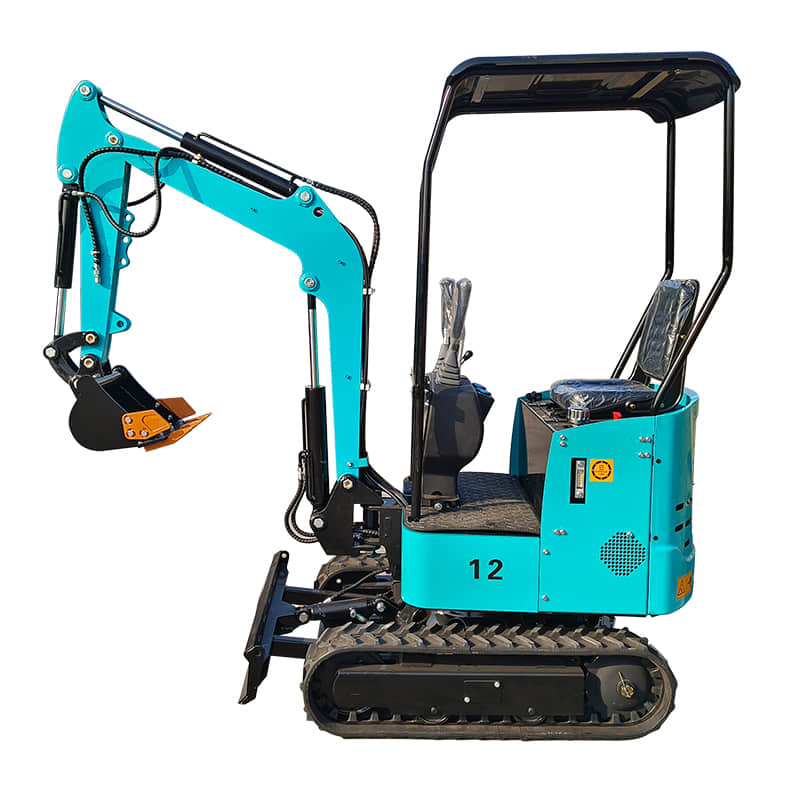
Foundation work means tight quarters and careful depth control. The TOVISEN EZ-25 compact excavator runs a 30 hp Laidong diesel with a three-pump hydraulic system and pilot joysticks for fine grading control, and its side-swing boom plus retractable tracks let it work flush along a wall or fence line where a conventional machine can't square up. Dig out the banked soil, cut the swale, and backfill in layers — one machine, one operator, no shovel marathons.
Dealing with standing water or a wet basement after every storm? Send us your yard dimensions and soil type and we'll spec the right machine — factory direct.
FAQ
Can I fix negative grading without a machine?
Small strips — a foot or two along one wall — can be topped up by hand with compactable fill. But a full negative-grade yard means moving cubic yards of soil in shallow, tamped layers, and wheelbarrow work over ten feet of wall usually stalls. That's the point where a mini excavator pays for the weekend.
Should mulch go right up against the foundation?
No. Keep mulch six inches short of the foundation wall. Mulch holds moisture against concrete and gives insects a highway to the sill plate — the wall should stay visible and dry.