Welcome to TOVISEN
Can a Mini Excavator Dig a Backyard Pond?
Yes — a mini excavator is the ideal machine for digging a backyard pond. Most ornamental and wildlife ponds are small, shallow, and tucked into tight garden spaces where a full-size backhoe cannot reach, yet they still need clean, precisely shaped basins with planting shelves and gentle slopes. A compact mini excavator fits through a side gate, digs the whole profile in a day of machine time, and piles the spoil exactly where you want the berm.
Plan the Pond Before the First Bucket
Extension guidance is consistent on the homework. The Oregon State University Extension garden pond guide recommends checking local zoning and permit rules before digging, keeping the pond out from under trees (falling leaves turn the water acidic as they rot), and choosing a spot that gets five to six hours of sun a day — enough for aquatic plants, not so much that algae takes over. It also suggests a simple water-table test: dig a small trial hole to your planned depth and watch it for 24 hours. If it fills with groundwater on a dry day, move the pond or rethink the depth before you excavate.
The Profile That Makes a Good Pond
A pond dug with a mini excavator can follow the wildlife-friendly shape extension services recommend:
- Depth of at least 20 inches at the deepest point, so plants and animals survive summer heat and winter freezes.
- Planting shelves 8–10 inches deep cut around the perimeter — a single clean pass with the bucket, which is exactly what a mini excavator does well.
- A gentle edge slope — roughly a 6-inch drop over every 3 horizontal feet — so wildlife can get in and out safely.
- Spoil piled beside the trench, ready to shape into a berm or wheel away, instead of scattered by hand shoveling.
For a small yard, extension guidance suggests a 3-by-5-foot pond is plenty; larger yards can take 5-by-8-foot or bigger. Mark the outline with a garden hose first, then dig to the marked line.
Why a Mini Excavator Beats Hand Digging
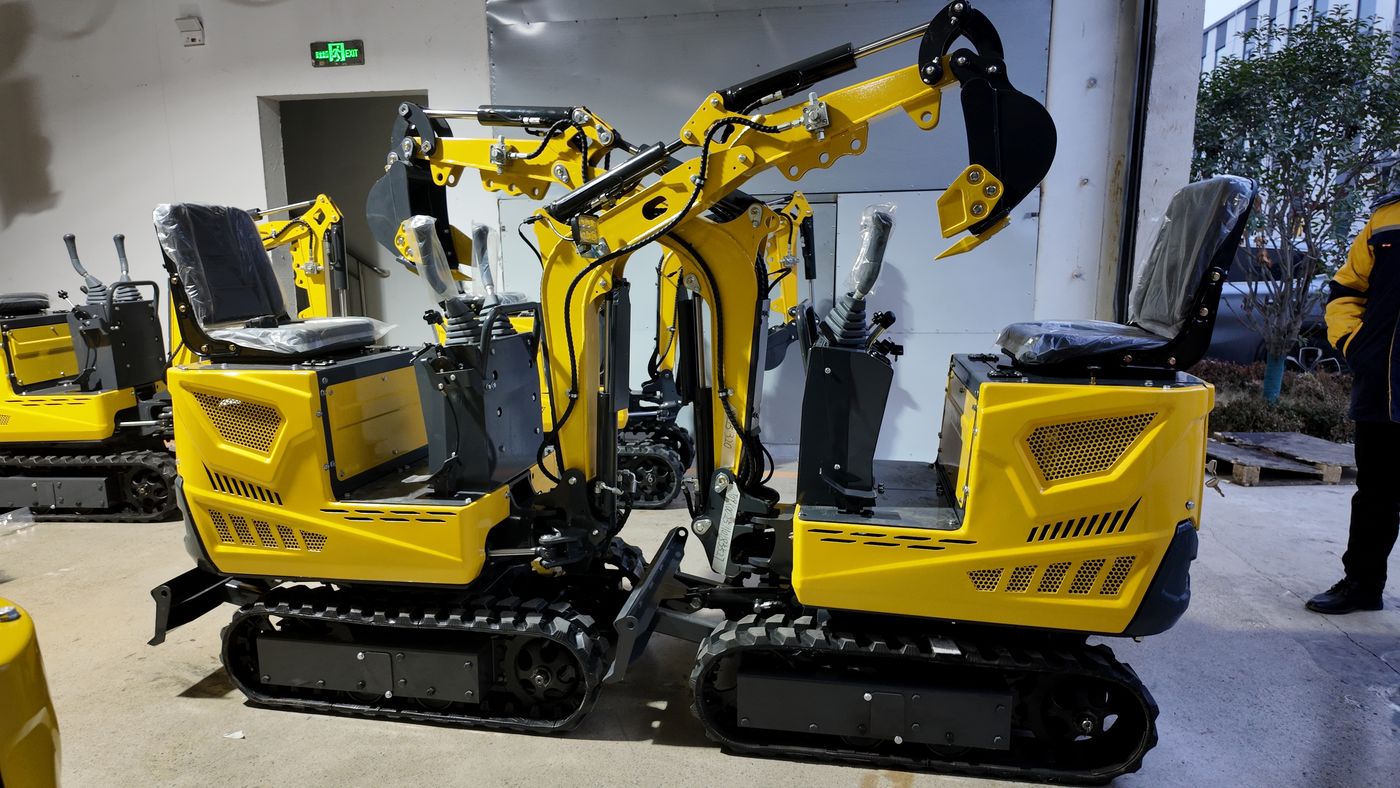
A 3-by-5-foot pond means moving roughly a cubic yard of soil by hand — a 10-by-15-foot koi pond means closer to fifteen. A mini excavator turns that from a weekend of shoveling into an hour or two of easy bucket work, and it shapes shelves and slopes that a shovel never quite gets flat. Its low ground pressure also matters once you are working on prepared garden soil: tracks disturb far less of the surrounding lawn than a wheeled machine, and the whole unit fits through a standard garden gate on most compact models.
Which Machine Fits a Pond Job
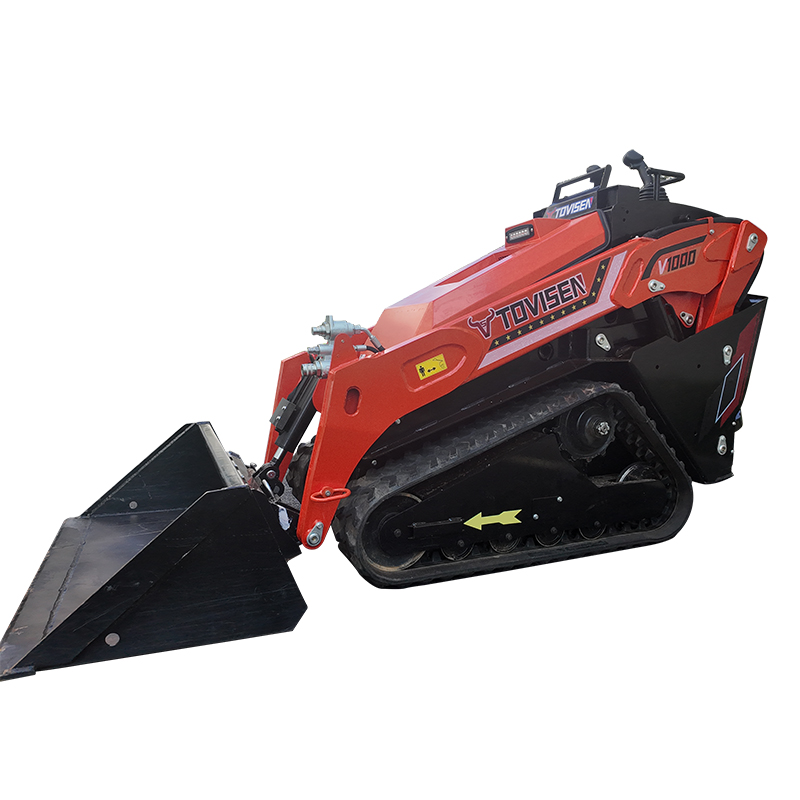
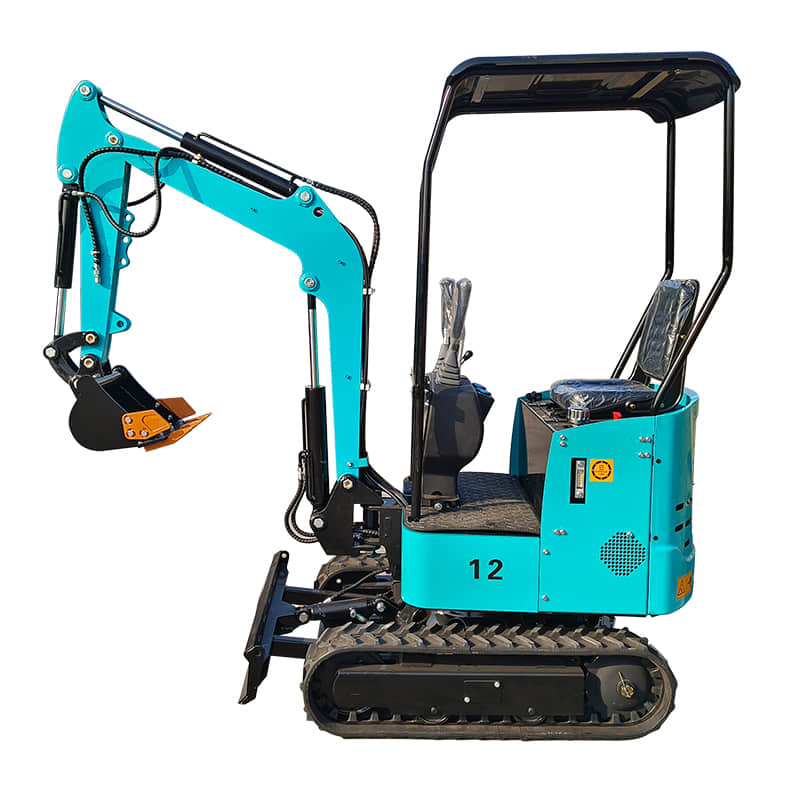
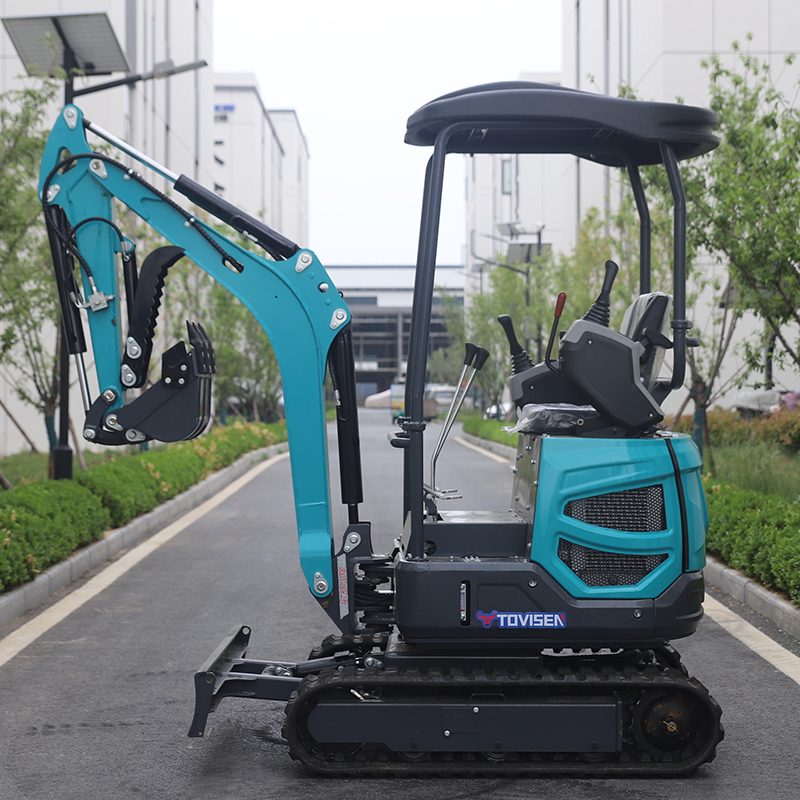
For backyard water features, a compact model such as the TOVISEN EZ-12A mini excavator covers the whole job: tight-access digging, a bucket that cuts clean shelves, and enough reach to load the spoil straight into a wheelbarrow or trailer. Landscapers who add pond construction to their service list typically run the same machine for the drainage lines and waterfall streams that connect to it.
Quoting a pond build or adding water features to your landscaping services? Send TOVISEN the pond dimensions, gate access width, and your ZIP code through the contact page — the factory team will match a compact excavator to the job and quote direct. More machine photos and jobsite clips are posted on our TOVISEN Facebook page.
FAQ
How deep should a backyard pond be?
At least 20 inches at the deepest point for a wildlife or ornamental pond, per extension guidance, with 8–10 inch planting shelves around the edge. Koi ponds and ponds that overwinter fish need more depth so they don't freeze to the bottom — check with your local extension office for your climate.
Do I need a permit to dig a backyard pond?
Rules vary by city and county — some set depth limits, fencing requirements, or setbacks, and homeowner associations may add their own. Check with your local zoning or planning office before digging, and call your utility locate service before any excavation.