Short answer: yes. A 1.8-ton class mini excavator can dig the hole for a residential swimming pool — and for many backyards it is the only machine small enough to get through the gate. Here is what the job actually involves, what the numbers on the spec sheet mean for a pool dig, and where a compact machine stops being enough.

How Big Is a Residential Pool Dig?
Most residential inground pools run from about 3.5 ft to 8 ft deep, and the hole has to be oversized on every side so the shell, plumbing, and backfill can go in. A 16 × 32 ft pool dug to 6 ft means moving roughly 200 cubic yards of soil before the pool builder ever shows up — that is weeks with a shovel, a few long days with a compact excavator. The dig itself is only part of the job: the same machine cuts the trench for the skimmer and return lines, and later backfills around the shell in lifts.
What the TOVISEN TC18Q Brings to a Pool Hole
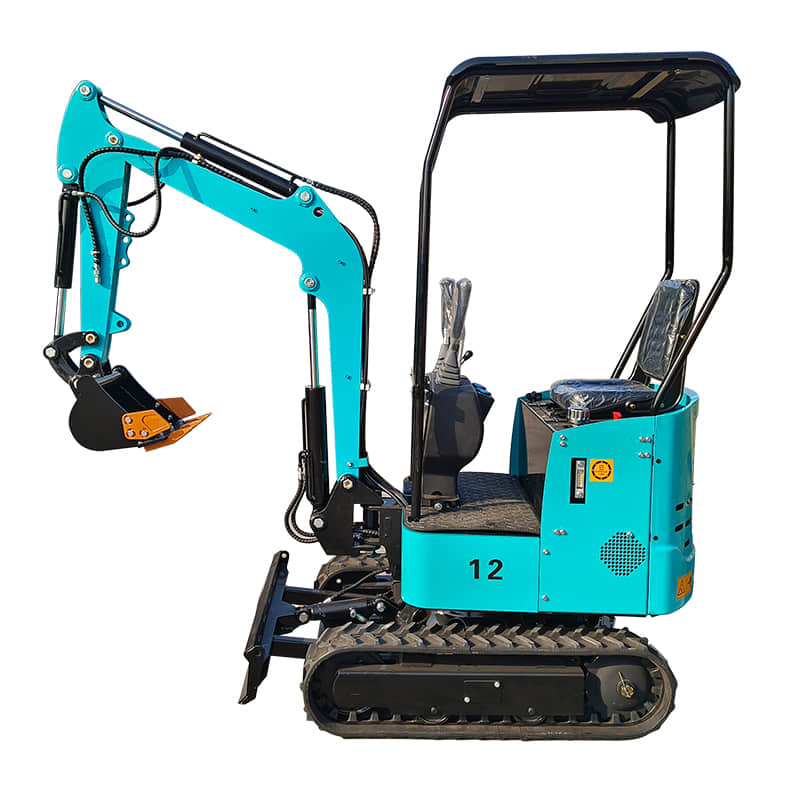
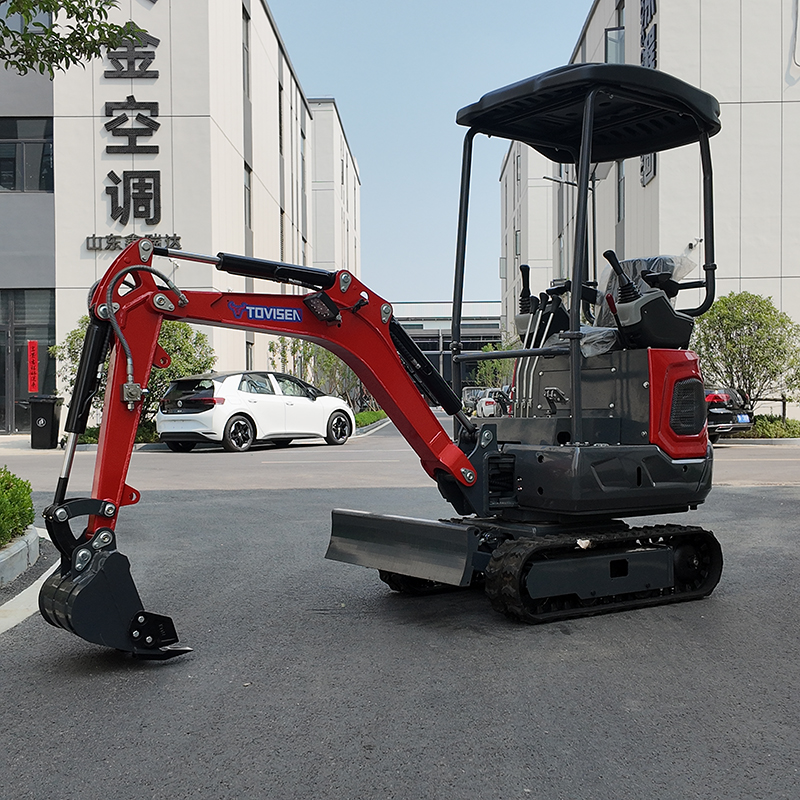
The TOVISEN TC18Q mini excavator sits right at the useful size for this work: 1,800 kg (about 4,000 lb) operating weight, a maximum digging depth of 2,091 mm (6.9 ft), and a digging radius of 3,494 mm (11.5 ft). In practice that means it can reach the middle of a small to mid-size pool from the edge without tracking onto the excavation, and it reaches full-depth cut on pools up to roughly 6 ft deep. At 1,150 mm (45 in.) wide it passes through a standard double gate, which is exactly why homeowners and pool contractors keep compact machines on this job instead of full-size excavators. The Kubota D722 engine option keeps it EPA/CE compliant for the US market.
Call 811 Before You Dig the Hole
No pool dig starts until utilities are marked. Under federal law homeowners and contractors call 811 before you dig a few working days before any excavation — and installing a swimming pool is explicitly on the list of projects that require it. Gas, electric, water, and communication lines get marked with flags or paint for free, so the excavator can route the hole and the plumbing trench clear of them. Hitting a line does not just stop the job; it brings fines and real safety risk. Some counties also require a permit for residential pool construction, which is a check with the local building department before the machine arrives.
Where a Mini Excavator Stops Being Enough
Be honest about the limits. If the pool is deeper than the machine's 6.9 ft reach below grade, the dig has to be benched — dug in steps — which costs time. Wet clay or rock slows the cycle dramatically, and a long haul from street to backyard means the spoil has to be moved by wheelbarrow or a second machine, since a mini excavator carries nothing. For very large pools, tight schedules, or soil with boulders, a full-size excavator and dump truck are the honest answer. For everything in between, a compact machine plus patience does the whole job.
FAQ
Can a mini excavator dig through rock to make a pool deeper?
Soft rock breaks slowly with a hammer attachment; solid ledge usually needs a specialized breaker or blasting contractor. Get the soil report or dig a test pit before quoting the job.
How long does a backyard pool dig take with a compact excavator?
For an average residential hole in normal soil, plan on one to three working days of digging, plus trenching for plumbing and final shaping. Access width, spoil hauling distance, and weather move that number a lot.

Planning a pool or other backyard excavation? Send TOVISEN the hole dimensions, soil type, and your gate width through the contact page — the factory team will match a machine to the job and quote direct. More machine photos and jobsite clips are posted on our TOVISEN Facebook page.