Welcome to TOVISEN
Can a Mini Excavator Install a Driveway Culvert?
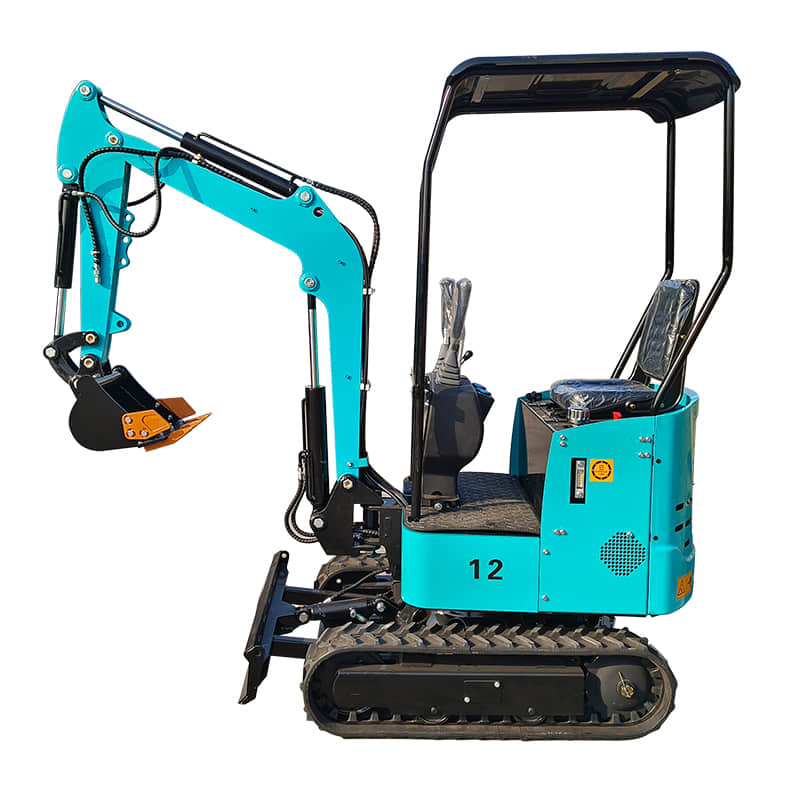
Yes — a mini excavator can install a driveway culvert, and in most residential cases it is exactly the right size machine for the job. A typical driveway culvert is a 12–18 inch corrugated steel pipe laid in a ditch two to three feet deep, and a compact machine like the TOVISEN 12Q mini excavator — with a 1,717 mm (5.6 ft) maximum digging depth and a 930–1,150 mm (37–45 in) body width — digs that trench with room to spare and fits the narrow roadside strip where the work happens. What actually decides the job is not the machine but the paperwork: if the driveway crosses a county ditch, the road department sets the pipe size and inspects the work.
What a driveway culvert actually requires
Culvert rules are set locally, but the numbers repeat from county to county. Klamath County, Oregon's driveway permit, for example, requires culverts laid in a straight line with a minimum fall of 1 inch per 20 feet, sized for the 25-year storm, with a minimum diameter of 12 inches and at least 12 inches of cover over the pipe (Klamath County Driveway Permit specifications). The pipe must be longer than the driveway width — at least ten feet longer in that county — so the ends can be cut back on a slope that will not erode. Corrugated steel pipe is the usual material in roadside ditches, with joints sealed silt-tight. Check your own county's permit sheet before buying pipe: the diameter and cover requirements are not negotiable, and the road department can reject and remove an unapproved installation.
Sizing the machine to the trench
For a 12-inch pipe with 12 inches of cover, the trench runs roughly 24 inches deep plus 4–6 inches of bedding, or about 2.5 feet. The 12Q's 1,717 mm dig depth covers that with margin, and its 3,097 mm digging radius lets the operator reach across the ditch from one position instead of re-parking along the shoulder. The 8 kN bucket force is plenty for the soils normally found in a roadside ditch; hardpan or rocky ground is where a tooth bucket earns its keep. The 930 mm narrow-track width matters more than people expect: the work zone is usually the strip between the road shoulder and the fence line, and a full-size machine simply does not fit there without tearing up the verge.
The installation sequence, step by step
Mark the utilities before anything else — in the US that is an 811 locate request, because roadside ditches often carry shallow gas, water, and fiber lines. Set string lines at the required fall so the pipe cannot be laid flat. Dig the trench to the line, shape the bedding, and place the pipe with the bell end facing upstream, keeping the flow line matched to the existing ditch. Backfill around the pipe in shallow lifts with clean, compactable material — the county specs consistently call for compacted backfill and a minimum of 12 inches of cover before the driveway surface goes on. Finish the ends with mitered sections or rip-rap so water re-enters and leaves the pipe without washing out the approach. The last step is administrative but not optional: most counties require an inspection call before the pipe is covered, and covering early can mean digging it all up again.
Where a mini excavator hits its limit
Three situations call for bigger iron. Deep ditches — much past four feet — exhaust the 12Q's reach and start needing shoring. Large-diameter pipes, 24 inches and up for commercial entrances, need both a wider trench and a machine that can place the pipe section without swinging it into the ground. And long multiple-culvert runs go faster with a machine that can offset its arm and travel loaded between positions. For the standard residential entrance — one 12-inch pipe, a two-foot ditch, a gravel approach — the compact class is not a compromise; it is the correct tool.
FAQ
How deep should a driveway culvert be buried?
At least 12 inches of cover over the pipe is the common county minimum, and some jurisdictions want more depending on traffic crossing it. Add the pipe diameter and bedding to get trench depth: a 12-inch pipe under a residential driveway usually means a trench around 30 inches deep from finished grade. The pipe must also keep its fall toward the outlet — typically a 2% slope on the driveway surface and a slight continuous fall on the pipe itself.
Do I need a permit to put a culvert in my own ditch?
If the ditch drains a public road right-of-way, yes — the road department permits the connection, specifies the pipe, and inspects before backfill. A purely private drainage swale between your own fields generally does not need a permit, but utility locates still apply, and if water eventually reaches a county ditch the culvert still has to be sized so it does not flood the road.
Planning a driveway or access-road project? Send TOVISEN the ditch depth, pipe size, and your site location through the contact page — the factory team will match a mini excavator to the job and quote direct. More machine photos and jobsite clips are posted on our TOVISEN Facebook page.

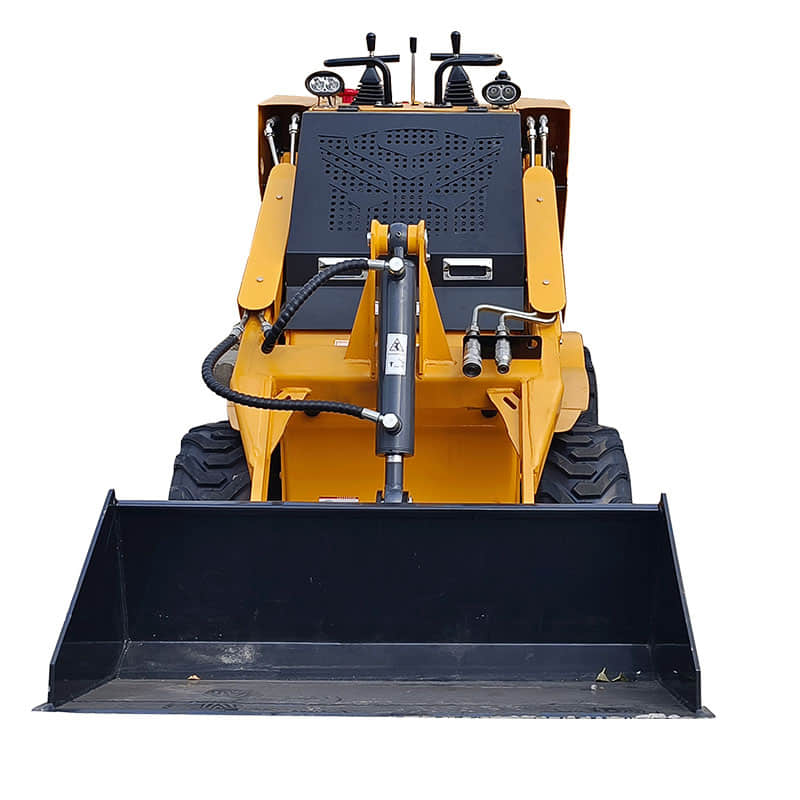
Product display photo, not a customer jobsite.

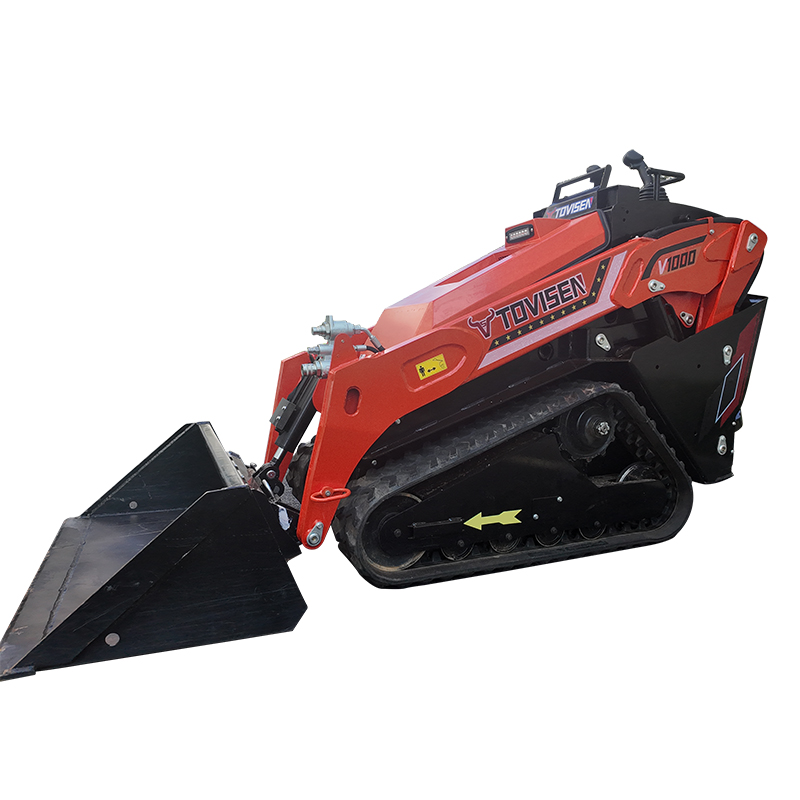
Product display photo, not a customer jobsite.