Welcome to TOVISEN
Can a Skid Steer Build a Horse Riding Arena?
Yes — under every riding arena is a body of earthwork, and that's where the skid steer earns its keep: grading the pad, building the drainage slope, laying and compacting the base, then dragging the surface true. The arena surface you see is the last couple of inches; the machine work underneath is most of the project.

What an Arena Actually Is Underneath
A riding arena is built in layers. On top sits the footing — the loose surface horses work on, typically a couple of inches of sand or sand mixes. Below that is the base: a solid, compacted layer, usually six to eight inches thick, that carries the impact of hooves. Under everything is the sub-base, the existing soil or added rock graded to move water away. The University of Kentucky's equine extension publication ID-259 puts minimum numbers on the build: if the base can't be developed from existing subsoil, added material should be at least six inches thick, and the riding surface at least four inches deep for traction and shock absorption.
Get the layers wrong and no amount of nice footing saves it. Footing laid straight on soft soil pumps, puddles, and mixes with mud within a season.
The Machine Work: Pad, Base, Compaction
Start by stripping topsoil and grading the sub-base so water sheds to the edges — outdoor arenas need a crown or an elevated, well-drained profile, because trapped water is what turns footing into a swamp. The skid steer does this with the bucket and a grading pass, working in long straight runs and checking fall with a level.
Then the base goes down in lifts — well-graded crushed stone, spread, watered if dry, and compacted in layers. Keep the stone under about a quarter inch in particle size so nothing works up to the surface to bruise hooves. This is routine skid steer work: haul, spread, level, repeat. The bucket that moved the stone also backfills around the perimeter and levels the approaches.
The Mistakes That Cost a Rebuild
Three fail nearly every DIY arena. First, skipping compaction: loose base lets hooves punch through and rut it permanently. Second, burying the drainage: if the crown or side fall gets smoothed away during grading, the arena ponds and the base softens from below. Third, overspending on footing depth: deep, loose sand feels luxurious but strains tendons and balls up under hoof action — start shallow and add half an inch at a time as the surface packs down.
After the Build: Dragging Is Forever
Footings compact, break down, and migrate toward the rails with use. UK extension is blunt about maintenance: dragging to restore depth and consistency is critical, it should happen at least weekly for light use and more often for busy arenas, and the operator has to know how to control depth and speed or they'll cut ridges into the base. That's another skid steer job — a drag harrow on the quick-attach plate, worked in overlapping passes, always avoiding carving the crown away down the centerline.
Which Machine Fits the Job
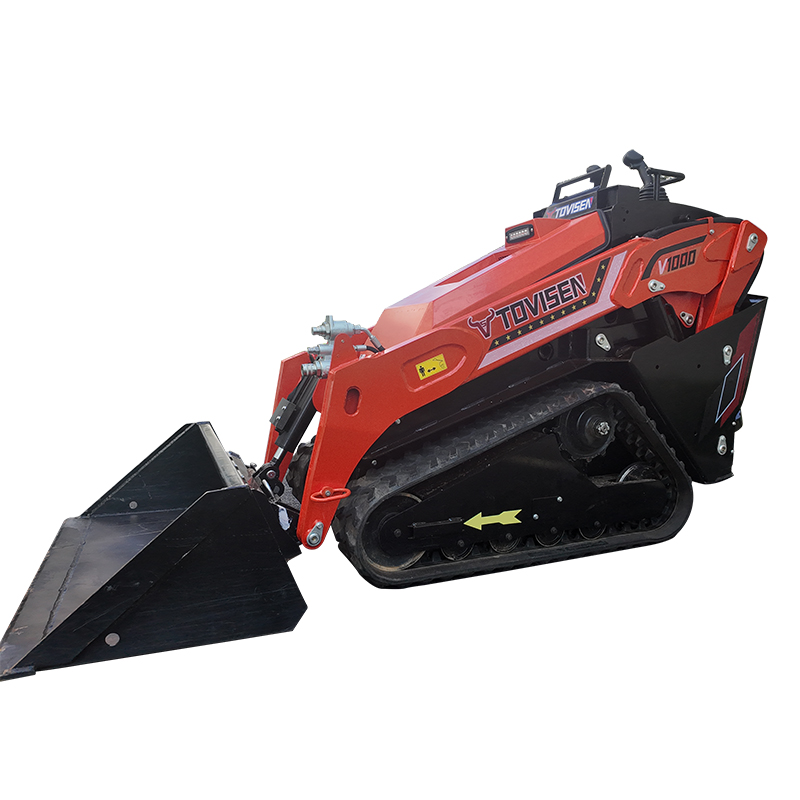
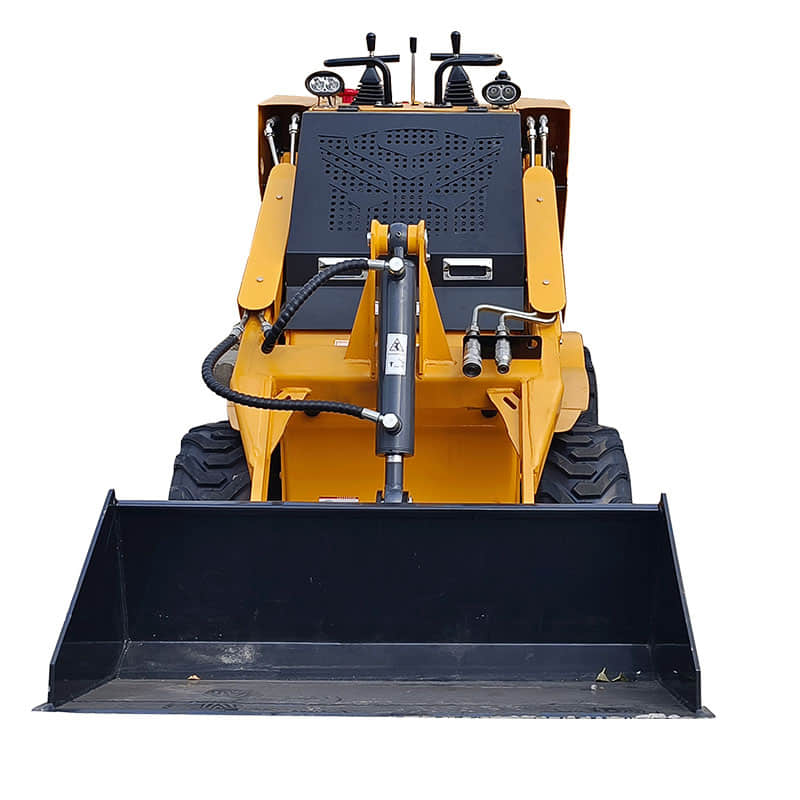
Arena work runs from rough grading to delicate surface dragging, so quick attachment changes matter as much as power. The TOVISEN T490 seated track skid steer loader pairs a 23 HP engine with a crawler track system that spreads its 1,200 kg over soft ground without rutting the finished base, and at 1,100 mm wide it reaches paddocks and yards through standard gates. The quick-change attachment system swaps bucket for harrow in minutes — grade the base in the morning, drag the footing after lunch.
Planning an arena or a full equestrian facility? Tell us the dimensions and soil type and we'll spec the machine and attachments — factory direct, with container loading arranged.
FAQ
How big does a riding arena need to be?
University of Kentucky guidance lists 50–60 feet wide by 100 feet long as the practical minimum for exercise, training, and general riding, with jumping and competitive disciplines wanting more. Height matters too if you ever roof it — 16 feet clear is the usual floor.
How deep should the sand footing be?
The riding surface should be at least four inches deep for traction and shock absorption, but don't just pile sand on: it sits on a compacted base, and a total footing depth beyond about six inches strains horse tendons. Start around two inches and add in half-inch steps as the surface settles.