Welcome to TOVISEN
Can a Mini Excavator Install a Sprinkler System?
Why a Mini Excavator Is the Right Tool for This
Short answer: yes — a sprinkler system is a shallow trench, a loop of pipe, and a set of heads placed at precise spots, and the digging is most of the labor. A mini excavator cuts a clean, consistent trench through lawn in a fraction of the time a shovel takes, and it loads the spoil neatly so the backfill goes fast.
The work matters beyond speed. Clemson University's Extension guide to landscape irrigation equipment points out that spray heads and stream rotors throw water differently — spray heads apply water almost twice as fast as rotors, so the two can never share one irrigation zone. Head spacing drives the whole layout: closer spacing means more sprinklers, more trenches and pipe, and a higher installation cost. Getting the trenching cheap and clean is what keeps that layout affordable.
Plan Zones Before You Cut Grass
Before any dirt moves, sketch the system: where the water supply taps in, where the valve boxes and backflow preventer sit, how the zones divide the yard, and where every head lands. Stakes and string spray-paint flags are cheaper than rerouting pipe.
Two rules to respect at the planning stage:
- Group heads by precipitation rate, not by location. Mixing spray heads with rotors on one zone floods one area and starves the other — Clemson's guidance is explicit on this.
- Call 811 before digging. Shallow sprinkler trenches still cross paths with buried power, gas, and cable lines, and an irrigation project is not worth a struck utility.
Cut the Trench Like a Pro
Residential sprinkler lines typically sit in the 6 to 12 inch range — deep enough to survive aeration and edging, shallow enough to dig quickly and to service fittings later. In freeze-prone regions, the line generally digs deeper toward the main, following local practice for the frost line.
The technique with a mini excavator:
- Run the machine parallel to the line so the bucket cuts straight, not in a wobbling arc.
- Take shallow, overlapping passes down to depth rather than one deep bite — the trench walls stay clean and the sod stays liftable.
- Set spoil on one consistent side, on a tarp when the lawn matters.
- Under hardscape or fence gaps, keep the trench narrow; under very narrow obstacles, a small hole on each side plus a pipe-pulling pass gets the line across without a saw cut.
- Cover the pipe with an inch or two of soft soil before any compaction touches it, so stones don't point-load the pipe wall.
Backfill and Finish Without Ruining the Lawn
The second half of the job is putting the yard back. Flush the lines before heads go on, set each pop-up head level with the finished grade so mower blades can pass over it — the pop-up body exists exactly so machines can mow over retracted sprinklers, as Clemson's history of these systems notes — then backfill in lifts and settle the trench with water rather than jumping on it. Trenches that are compacted once, wetted, and topped up don't leave the sunken stripe across the lawn that rushed jobs do.
A mini excavator helps here too: the bucket slices and lifts sod in reusable pieces at the start, then places it back over the finished trench at the end. Done well, the lawn shows a faint seam for a few weeks and nothing more.
Which Machine Fits This Job
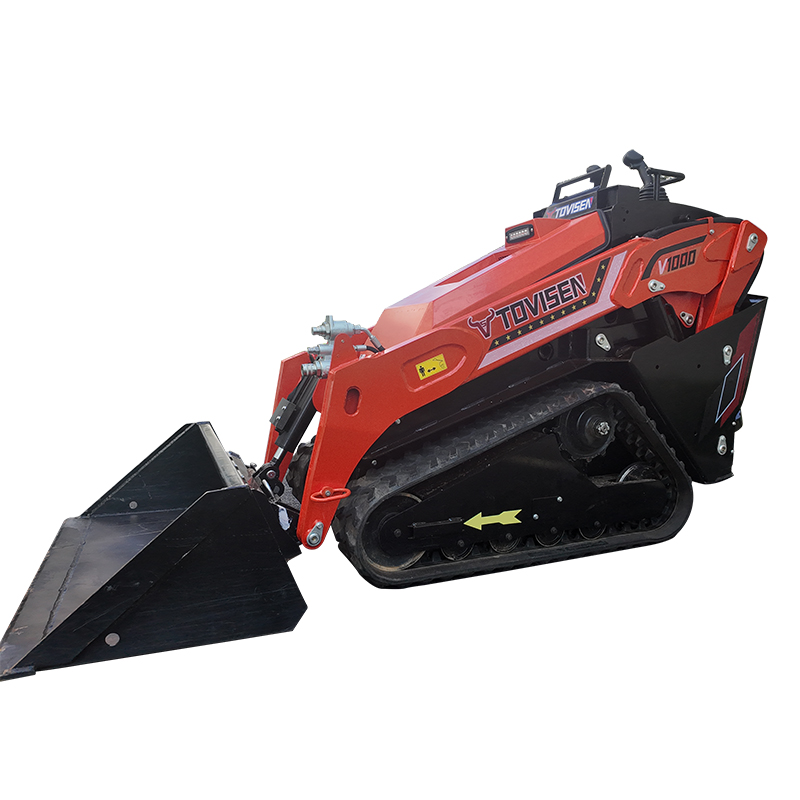
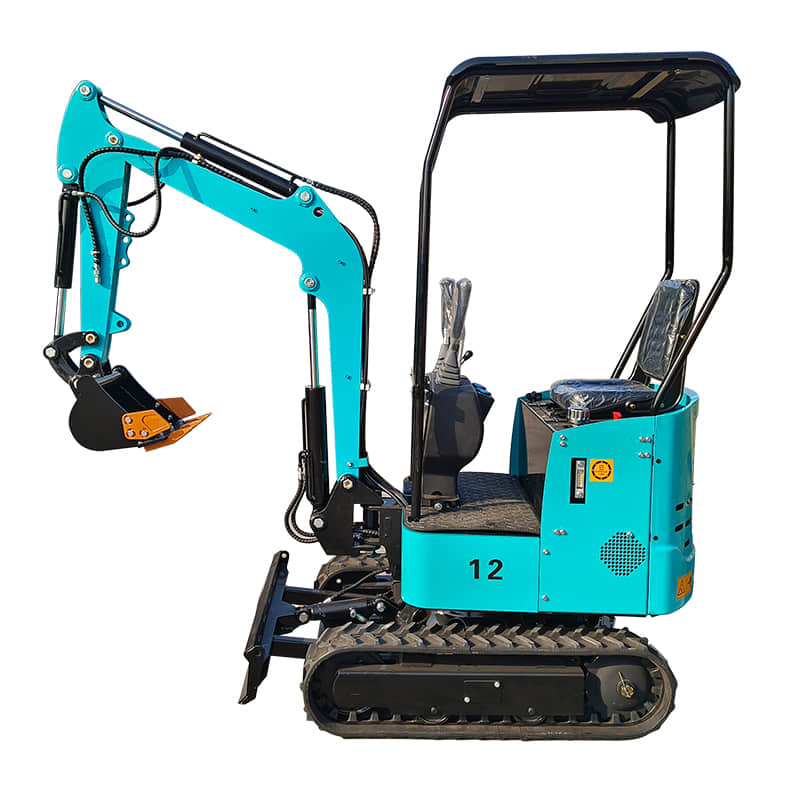
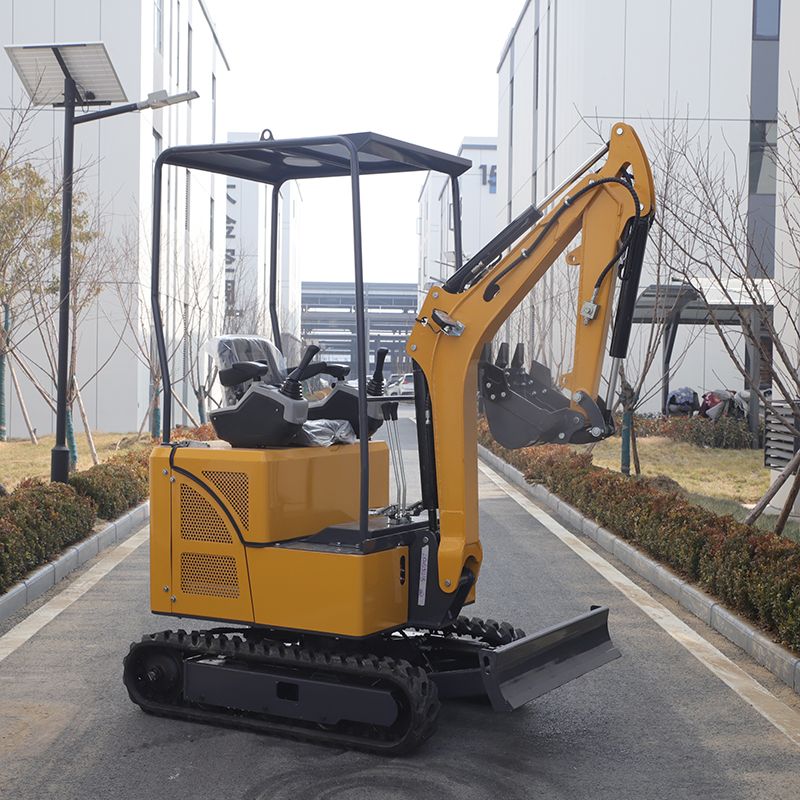
For sprinkler work, narrow beats big. The TOVISEN TC18Q mini excavator is built for exactly this kind of residential line work — a compact tracked machine with the reach to cut a full day's trench line from one setup, plus the lifting muscle to place valve boxes and backfill around them.
FAQ
How deep should sprinkler lines be buried?
Six to 12 inches covers most residential installs — below aerator and edging damage, above bedrock and most utility conflicts. Follow local practice in freeze-prone regions, where mains often go deeper toward the water source.
Can I install sprinklers without digging a trench?
Only partially. Pulling pipe under sidewalks or narrow obstacles avoids open cuts, but the main laterals still need real burial depth for durability. A mini excavator makes the difference small: a clean 8-inch trench through typical lawn takes minutes per hundred feet.
Building out an irrigation system this season? Send us your yard layout and we'll match you with the right compact machine for the trenching.