Welcome to TOVISEN
Can a Mini Excavator Remove Old Fence Posts?
Yes — a mini excavator is the fastest way to pull old fence posts, cut out buried wire, and dig out rotted post stumps when you're replacing a fence line. Wood posts, steel T-posts, and even concrete-set corner posts all come out far easier with a bucket doing the leverage than with a shovel and a chain.

Why the Bucket Beats a Farm Jack
The classic DIY method — chain, farm jack, and a lot of pulling — works until a post fights back. A mini excavator does three things a jack can't:
- Undercut leverage. Dig one side of the post free, then push the bucket against it to rock it loose. Even concrete-set posts come out once the footing is exposed on one face.
- Concrete footing removal. Old corner and gate posts often have 18-to-24-inch concrete plugs. The excavator digs around the plug, tips it out, and loads it straight onto the trailer.
- Stump and root cleanup. Posts that broke off at grade leave a buried stump; the bucket hooks under and pops it in seconds.
The 5-Step Method for a Clean Fence Line
- Call 811 first. Fence lines run along property edges where utility drops, irrigation lines, and old buried cables concentrate — have utilities marked before any digging.
- Cut and roll the wire. Clip the wire at each post, then wind it onto spools as you go. Steel wire is scrap value; nothing trips a track like forgotten fence wire.
- Pull the easy posts first. T-posts and loose wood posts rock out with bucket pressure alone.
- Dig out the stubborn ones. Expose one side of a concrete footing, tip the plug with the bucket, and lift it clear.
- Backfill and rough-rake. Fill every hole as you move down the line so the new fence line — or the mower — doesn't find them later.
If the Fence Sits on a Property Line, Read This First
Removing a shared boundary fence isn't just a digging job — many states regulate it. Ohio State University's Extension Farm Office notes that state law requires written notice to the neighbor at least 28 days before removing a shared line fence, and the right to enter a neighbor's land applies to building a fence, not automatically to removing one. Their guidance also covers the four-foot strip along the fence that landowners must keep clear of brush and noxious weeds. See the details on Ohio line fence law from OSU Extension — and if your fence marks a boundary, talk to the neighbor before the machine starts.
Which Machine for the Job
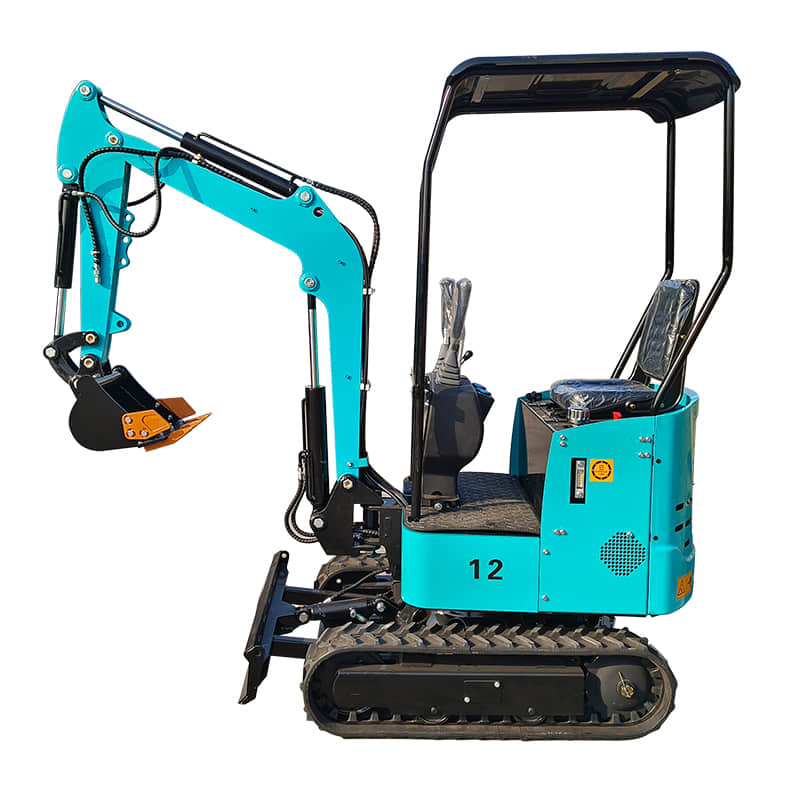
The TOVISEN TC17A handles fence line work well: a 1,200 mm body width for tight property corners, a 2,340 mm dig depth that gets under any residential post footing, and an 18 kW (25 hp) three-cylinder water-cooled engine for all-day pulling. A thumb or claw grapple makes wire and post handling even faster.
Replacing a Fence Line for Customers?
Contractors who tear out and rebuild fences bill the tear-out stage faster with a compact digger on the trailer. Tell us your market and needs — we'll quote the machine and a container plan: request a factory price, or message us on our Facebook page.
FAQ
How do you pull a concrete-set fence post with an excavator?
Dig one side of the concrete footing free, then use bucket force to tip and rock the plug until it breaks loose from the soil on the other side — lift it out and load it. You don't need to dig the full circle.
Can a mini excavator pull steel T-posts?
Yes. Rock the bucket against the post below grade and it pops out in seconds — faster than a hand puller and with no bent posts.