Welcome to TOVISEN
Can a Mini Skid Steer Strip Sod for a New Lawn?
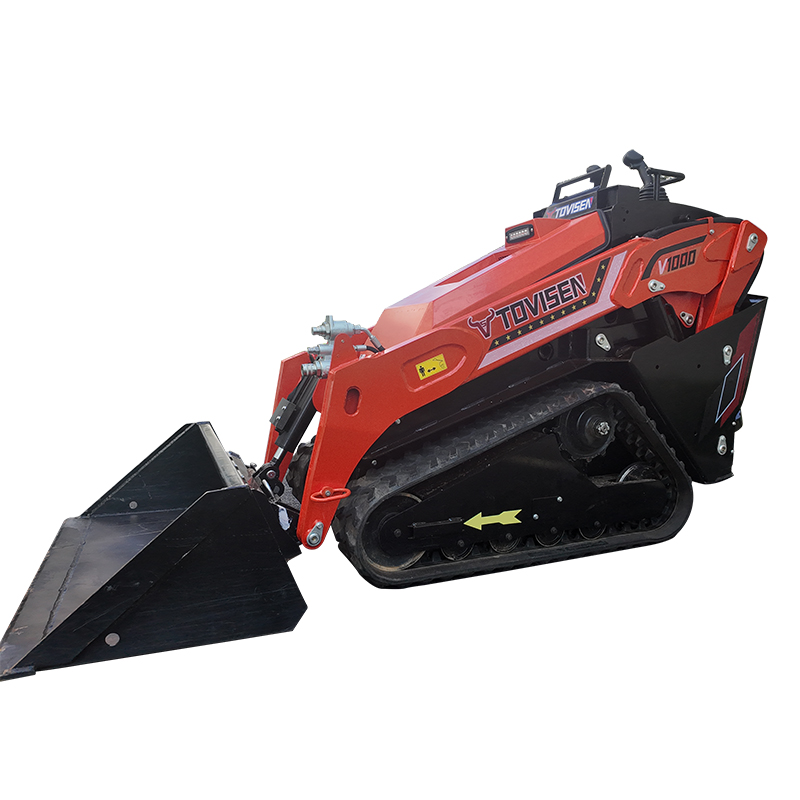
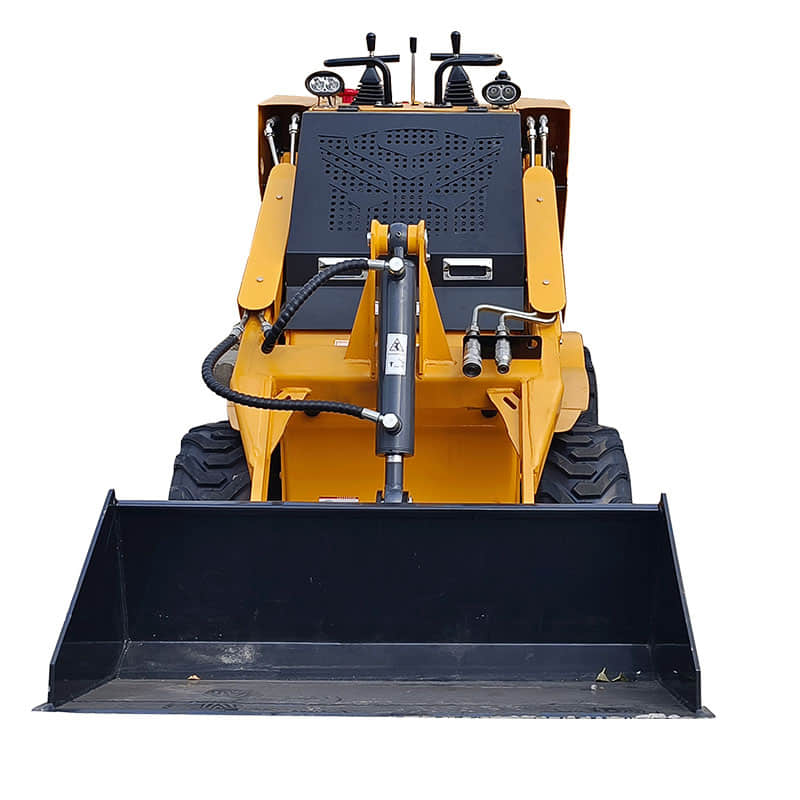
Yes — a mini skid steer is one of the fastest ways to strip sod for a new lawn, new planting beds, or a hardscape project. With a standard bucket, a machine like the TOVISEN S370 peels off a few thousand square feet of turf in an afternoon, then hauls the sod to your trailer without anyone pushing a wheelbarrow.

What Sod Removal Actually Involves
Stripping sod means cutting the grass and its root mat free from the soil underneath — typically 2 to 3 inches deep, just below the roots. Do it right and you get clean sheets of turf you can compost, reuse elsewhere, or sell. Do it wrong (too deep) and you excavate precious topsoil along with the grass; too shallow and the roots tear, leaving dead grass mixed into your new grade.
Walk-behind sod cutters handle this cleanly, but they are slow, heavy to rent and wrestle, and useless for hauling the cut sod away afterward.
Why a Mini Skid Steer Beats a Rental Sod Cutter
- Speed. A bucket held an inch or two into the soil strips a wide swath in one pass — several times faster than a walk-behind cutter on areas over a few hundred square feet.
- One machine, several jobs. After stripping, the same skid steer rough-grades the subsoil, moves compost, and spreads topsoil. A sod cutter does exactly one thing.
- Hauling built in. The machine loads stripped sod directly into a trailer or dumpster — no wheelbarrow relay.
- Access. At around a meter wide, a compact skid steer fits through garden gates and works between fence lines where full-size loaders can't go.
How to Strip Sod with a Bucket: 5 Steps
- Water two or three days ahead. Moist sod cuts in sheets; bone-dry sod crumbles and mixes with dirt.
- Set the bucket cutting angle. Run the bucket a couple of inches into the soil, cutting slightly downward so each pass undercuts the root mat cleanly.
- Work in straight, overlapping lanes. Push forward and let the bucket edge peel the sod up as you go — don't scoop and gouge, skim.
- Roll or stack as you go. Fold stripped strips into rolls or stack them for loading; bare ground dries out fast in sun.
- Rough-grade the exposed subsoil. Skim off high spots, fill low ones, and leave the surface ready for tillage or compost.
Before You Replant: What the Experts Recommend
Clemson University's Extension service draws a key line between renovation and full reestablishment: if half or more of the lawn is still desirable grass, renovation (thickening the existing stand) usually works; a completely failed lawn calls for full reestablishment — exactly the strip-and-replant job a mini skid steer handles. Their guidance: diagnose why the old lawn failed first, run a soil test through your local Extension office, and time the work right — cool-season grasses in early fall (September–October), warm-season types in late spring (April–June). See the full process in Clemson HGIC's lawn renovation factsheet.
If compaction or drainage is part of why the lawn failed, plan to till and amend the exposed soil after stripping — that's another job the machine does with a tiller or soil-conditioner attachment.
Which Machine for the Job
The TOVISEN S370 wheel skid steer loader fits sod work on residential lots well: a 1,070 mm compact width for gates and side yards, a 350 kg rated load and 0.27 m³ bucket for hauling sod and compost, and a dual-pump hydraulic system that runs future attachments like tillers and soil conditioners.
Planning a Bigger Landscaping Season?
Whether you strip sod for one backyard or twenty, buying a compact skid steer from the factory beats renting a sod cutter every spring. Tell us your typical lot size and the attachments you want — we'll quote the machine plus a container plan: request a factory price, or send us a message on our Facebook page.
FAQ
How deep should I cut when stripping sod?
About 2 to 3 inches — just deep enough to get under the root mat without loading your bucket with subsoil. Moist soil cuts cleaner than dry.
Can I just till the sod into the soil instead of stripping it?
Usually not as a first step. Tilling live turf in often brings perennial weeds back before the new grass establishes. Clemson Extension notes that mechanical tillage matters most when compaction, drainage, or fertility is the problem — strip or kill the existing turf first, then till the bare soil.