Welcome to TOVISEN
How to Choose a Mini Excavator: 7 Checks Before You Buy
Short Answer: Match Seven Things Before You Sign Anything
Choosing the right mini excavator comes down to seven checks: job size (tonnage class), engine and emission certification, hydraulic configuration, attachment compatibility, operator safety features, transport practicality, and the supplier's parts support. Get these seven right and the machine earns money for years; get the first one wrong and nothing else matters. Here is each factor as we walk buyers through it at TOVISEN.
1. Match the Machine Size to Your Jobs
Tonnage class is the first and most consequential decision — it sets what jobs you can take, what trailer you need, and what fuel you burn:
| Class | Typical Jobs | Examples from Our Range |
|---|---|---|
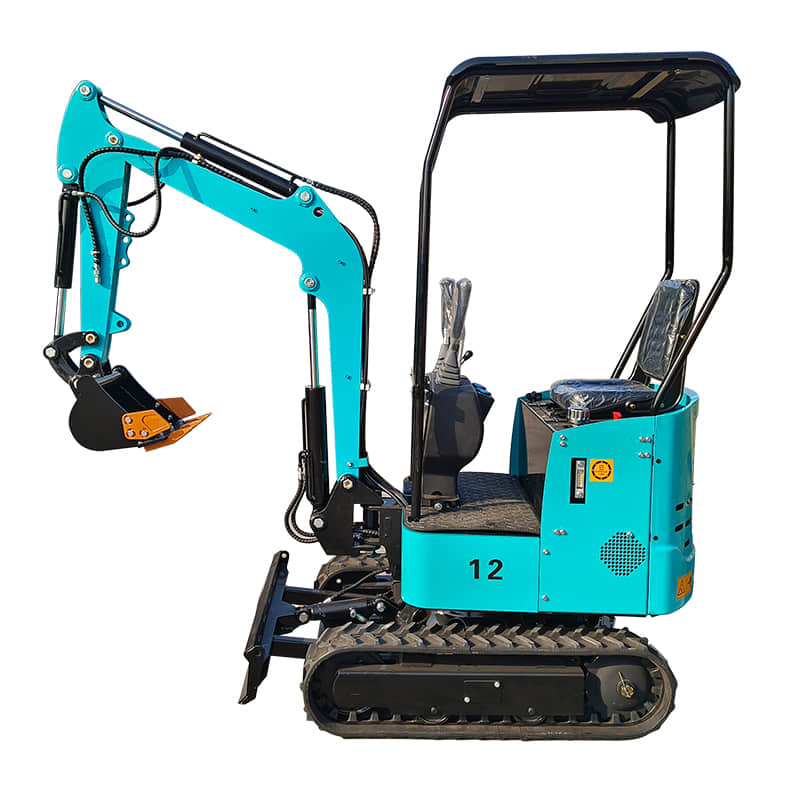
| 0.8–1.2 ton | Indoor demolition, backyard landscaping, greenhouse and farm work, jobs through garden gates | 12Q (1.2 t, 930 mm minimum width) |
| 1.5–2.5 ton | Utility trenching, municipal work, small construction, heavier lifting | 15Q (1.5 t), TC-18Q (1.8 t) |
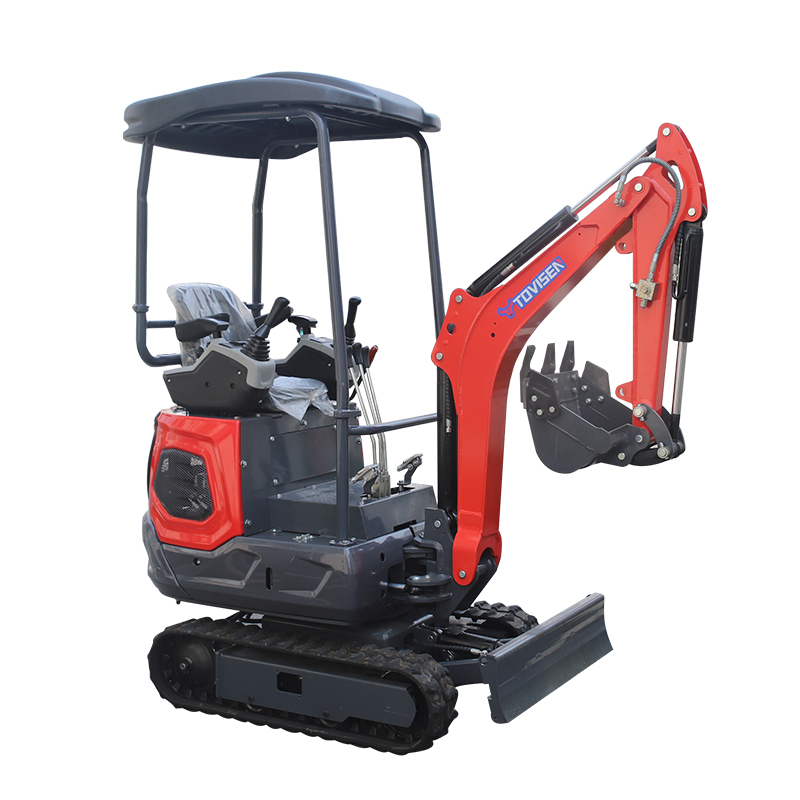
Two honest notes on sizing. First, bigger is not better: a machine too large for the site burns more fuel, needs a bigger trailer, and simply cannot fit the backyards that generate most residential work. Second, if your projects regularly require more than 2.5 tons, you are shopping in a different class than this guide covers — compact excavators trade raw digging depth for access and cost.
If you are deciding between the smallest classes, our breakdown of what a 1 ton mini excavator can and cannot do shows the boundary in real jobs.
2. Engine and Emission Certification
The engine determines digging force, fuel consumption, and — for importers — whether customs clears smoothly. Three things to confirm before ordering:
Engine brand and parts availability: Kubota, KOOP, and Briggs & Stratton are the common options in this class; a brand with service in your country beats a slightly higher spec without one.
Gasoline or diesel: sub-19 kW gasoline engines and diesel engines are certified under different rule sets — this is exactly what trips up first-time importers, so read our guide on EPA certification for mini excavators in the US before you order anything for the American market.
Documentation: ask for the emission certificate covering the exact engine serial range, not a catalog photocopy.
3. Hydraulic System
The hydraulic system decides cycle speed, lifting smoothness, and whether attachments perform to spec. In the mini class, most machines run gear pumps — simple, durable, and adequate for standard digging and attachment work. Piston pumps appear in higher-flow configurations and buy speed on demanding cycles, at a higher price.
The practical check is not "which pump type" but auxiliary hydraulic flow: if you plan to run an auger drive or breaker, ask the supplier for the machine's auxiliary flow and pressure figures, and match the attachment before buying. Our guide to choosing mini excavator attachments lists the compatibility checks in detail.
4. Attachment Compatibility
A mini excavator is a platform, and the platform's value is its attachment fleet. Verify before purchase:
The pin-on mount or quick coupler dimensions match the attachments you plan to run
Auxiliary hydraulic lines are plumbed (or orderable) for thumb, auger, and breaker
The supplier stocks the wear parts attachments consume — pins, bushings, hoses
One machine plus three or four job-matched attachments covers more work than two bare machines, and costs less.
5. Operator Comfort and Safety
Features that matter in daily use:
Adjustable seat and controls sized for the cab, not squeezed in
Canopy or cabin with visibility to the bucket — most beginners' mistakes are visibility mistakes
Clear monitoring of engine hours and warnings
Safety lockout on the control levers, and a frame structure with genuine rollover protection, not just a cosmetic canopy
Comfortable operators make fewer mistakes and accept longer jobs; a machine that beats up its operator sits unused.
6. Transport and Storage
If the machine moves between sites — and most do — check:
Transport width: machines like the 12Q retract to 930 mm, fitting through standard garden gates where full-size equipment cannot go
Expandable undercarriage: retracts for hauling, extends for stability while digging
Operating weight vs. your trailer: machine plus trailer must stay inside your towing rating
7. Supplier Support and Parts Availability
This is the factor buyers skip, and the one that decides whether the machine is still working in year three. Before signing, confirm:
Spare parts ship from stock, with published part numbers and pricing
Technical documentation comes with the machine, not on request
The supplier answers pre-sale technical questions in detail — a supplier who is vague before the sale will be vaguer after it
Our checklist on comparing equipment suppliers applies equally to excavator purchases.
Frequently Asked Questions
What size mini excavator do I need for backyard and landscaping work?
For residential jobs accessed through gates, a 1–1.2 ton machine with a transport width under about 1 meter is the practical choice — the 12Q class. If your work is open-site trenching or municipal, a 1.5–1.8 ton machine gives you more depth and lift. Measure your tightest access point before choosing.
Should I buy a gasoline or diesel mini excavator?
Gasoline (under 19 kW) is common in the smallest class and costs less upfront; diesel dominates from 1.5 tons up and is the default for commercial duty. For the US market, the two are certified under different EPA rules, which affects your import paperwork — see our EPA certification guide for the specifics.
What is the most common mistake buyers make?
Buying on price while ignoring parts support. A cheap machine with no parts channel is idle within a year; downtime costs more than the price difference ever saved. Confirm the parts program before you confirm the order.
Get a Machine Matched to Your Jobs
Tell us your work type, site access limits, and destination market, and we will recommend the class and configuration that fits — with certification documents included. Contact TOVISEN to start.