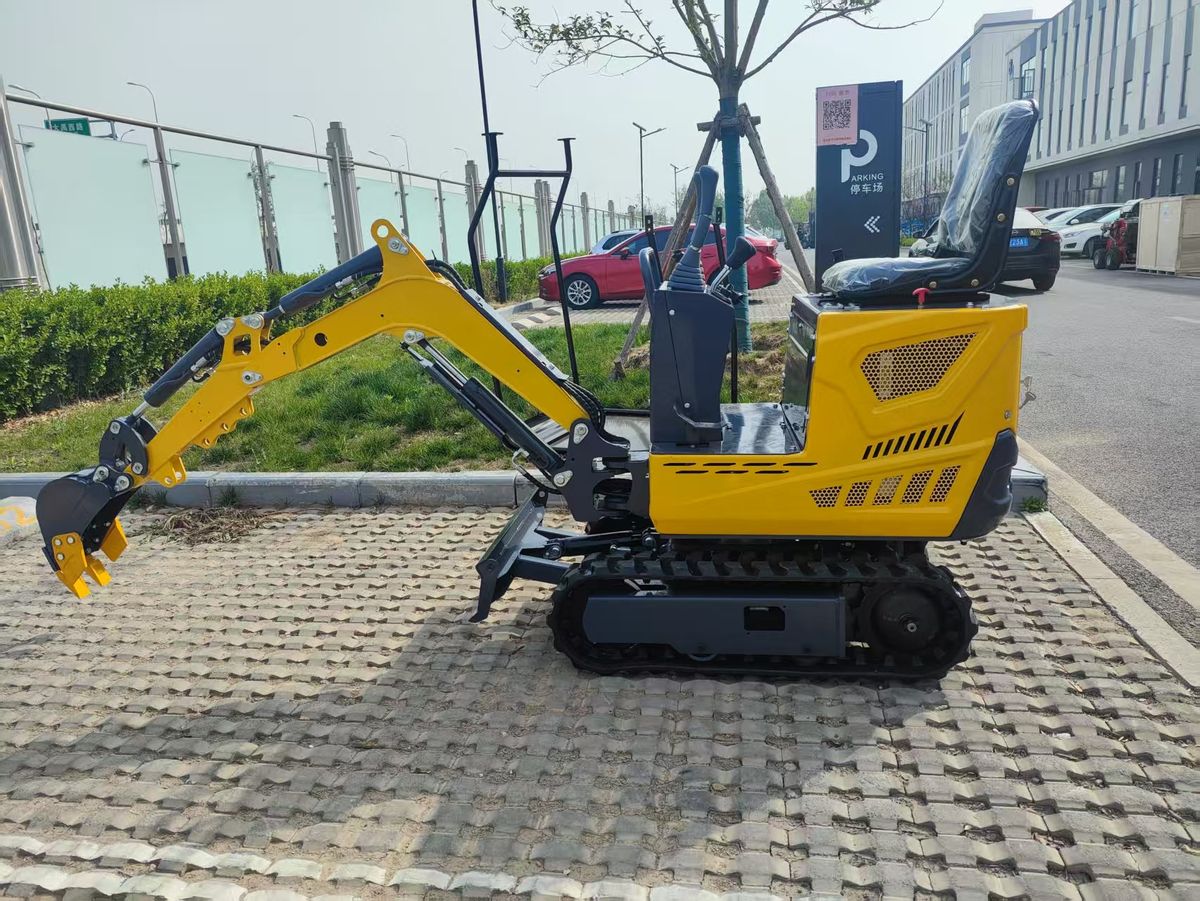
Welcome to TOVISEN
Can a Mini Excavator Dig Through Clay Soil?
Yes — a mini excavator can dig through clay soil. Dry, compacted clay is one of the tougher materials a 1.5-ton machine will face, but a machine in the TOVISEN 15Q class digs it with a sharp bucket, short bites, and the machine's own weight. Wet clay is easier to cut but sticks to the bucket; the real challenge is technique, not raw power. Here is how to tell what you are dealing with, and how to dig it without fighting the machine.
Why clay is different from loam or sand
Clay particles are microscopic and flat, so they pack into a dense, cohesive mass. In summer drought, that mass can cure nearly as hard as packed road base. After rain, the same soil turns sticky and greasy, clinging to everything it touches. Neither state is a problem for a hydraulic mini excavator — but each demands a different approach, and the middle ground (moist clay) is where the machine is at its best.
Start with the weather, not the throttle
Timing beats force in clay work. Dig clay a day or two after rain, once the surface has drained but the profile is still moist, and the bucket slices through cleanly. Dig bone-dry summer clay and every pass costs more fuel and wears the cutting edge faster. Dig soaking-wet clay and the trench walls smear, the spoil sticks in the bucket, and the machine leaves deep ruts that a homeowner will remember. If the schedule is yours to set, use it.
Technique: short bites, sharp edge, full curls
Keep the cutting edge sharp. A worn, rounded edge skates across hard clay instead of biting it. Bucket teeth concentrate the machine's weight onto a small area — that is what breaks the crust.
Peel in short layers. Curl the bucket as soon as the teeth are in, rather than dragging a long scrape. Short bites keep the hydraulic load low and let a compact machine work all day in ground that would stall a rushed operator.
Use the blade to anchor. Pushing the dozer blade down gives a compact excavator more reaction force into the dig — useful when the first pass has to crack a cured surface.
Knock the spoil out every pass. Clay holds its shape in the bucket. A quick shake over the spoil pile between passes keeps the bucket's effective volume where it should be.
What the 15Q brings to sticky ground
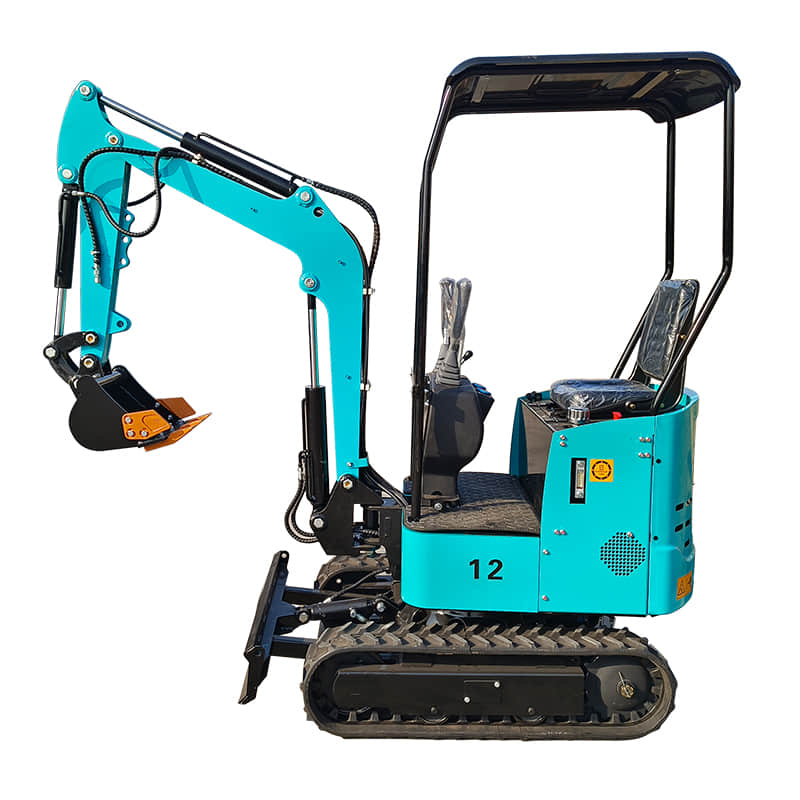
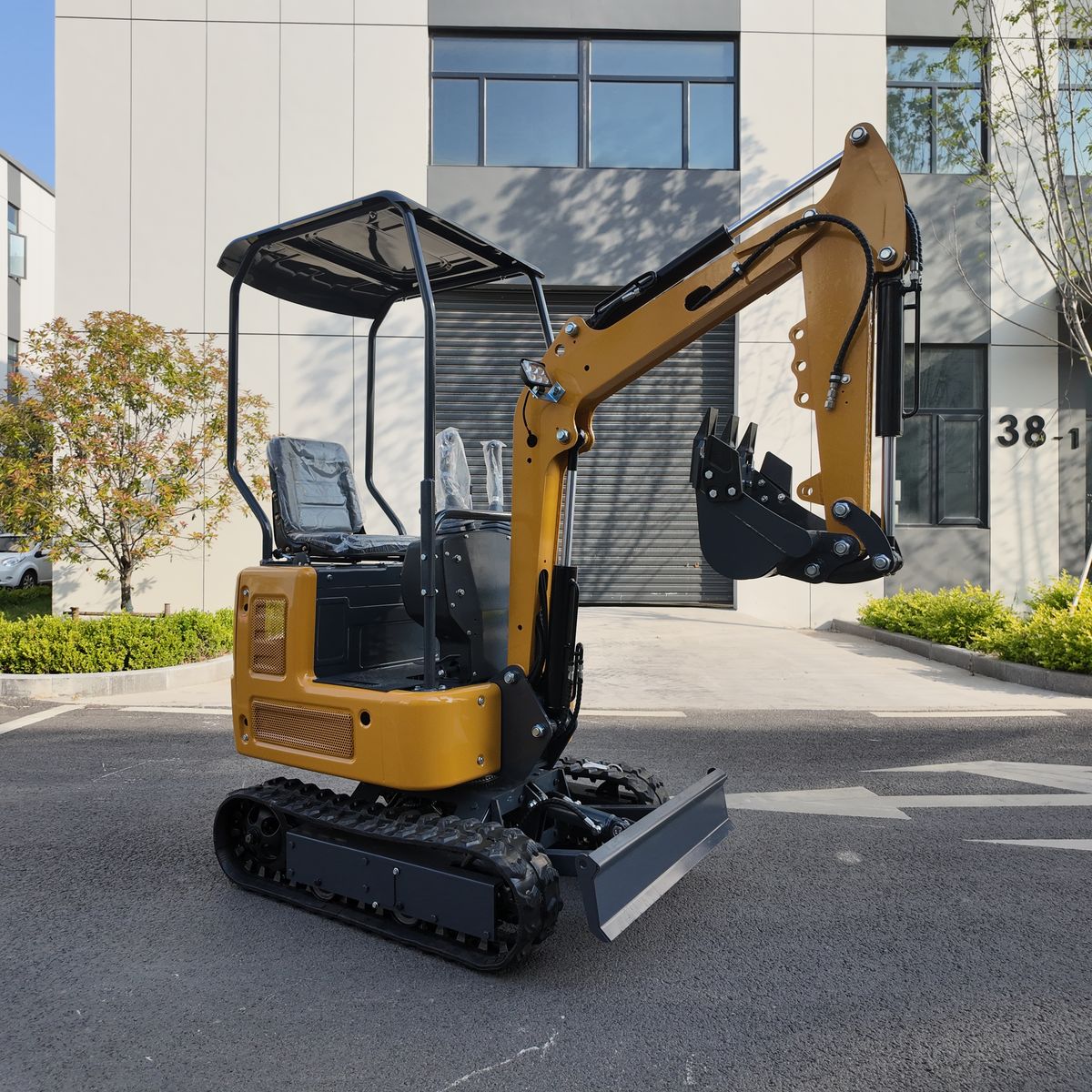
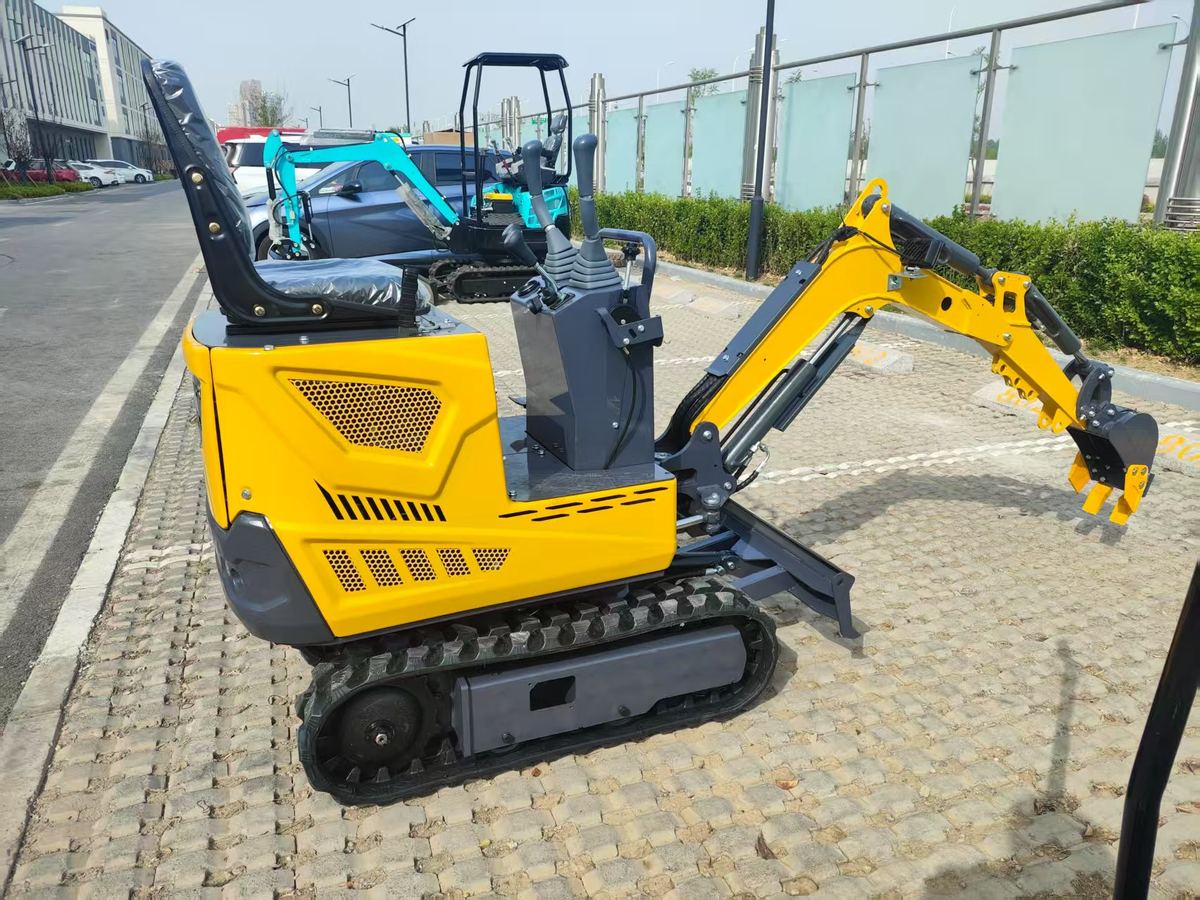
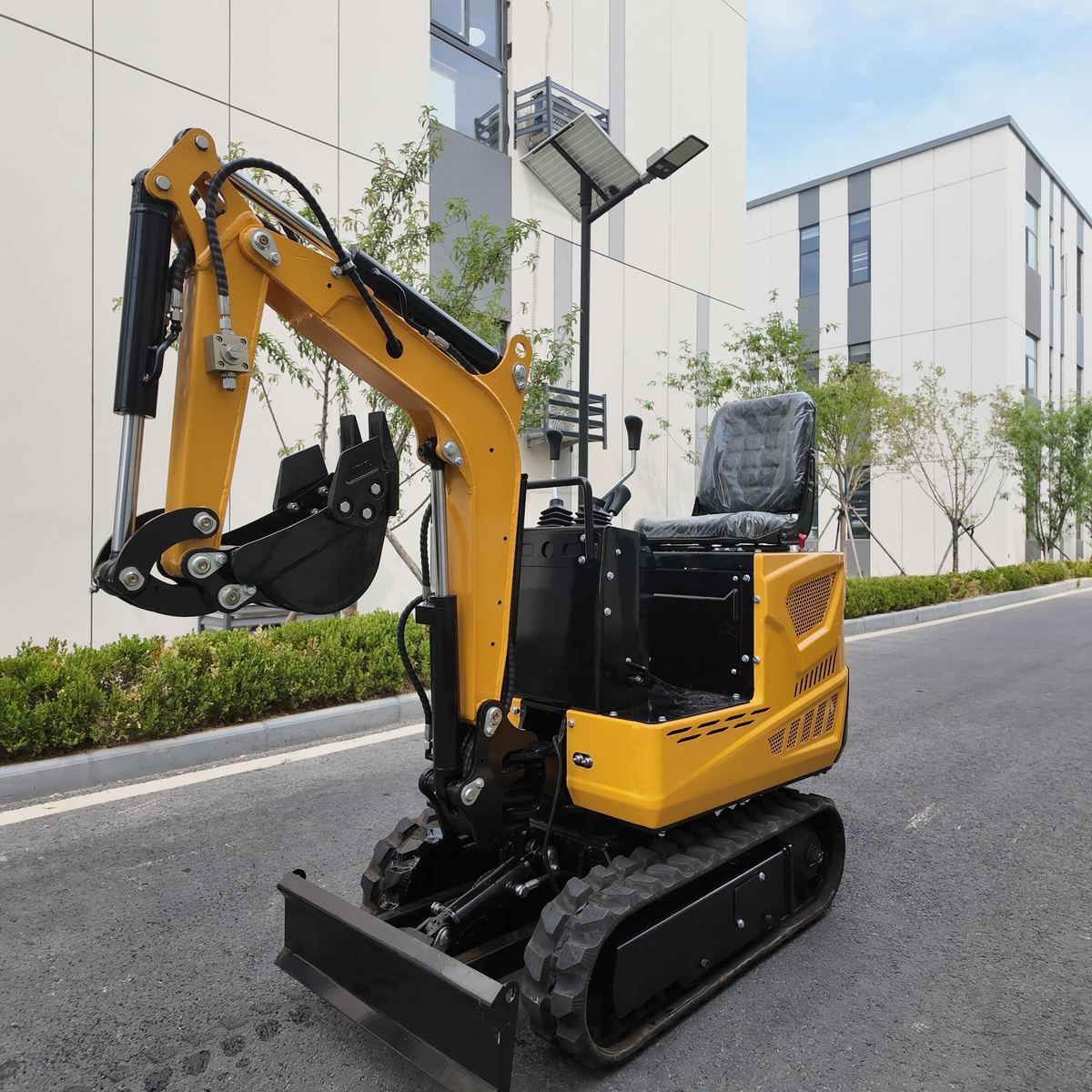
The TOVISEN 15Q mini excavator publishes a 1,500 kg operating weight, a Kubota D722 diesel rated 10.3 kW, a maximum digging depth of 1,717 mm (67.6 in.) and a maximum radius of 3,097 mm. Its overall width runs 930–1,150 mm (36.6–45.3 in.) depending on track position, which matters when clay ruts start to form and you want the narrowest, lightest footprint on the lawn. TOVISEN does not publish a bucket digging-force figure for the 15Q, so treat any force number you see elsewhere with caution — the honest summary is that a 1.5-ton machine handles moist clay easily and dry clay with patience.
Trenches in clay: check the soil class before anyone climbs in
Clay has a flip side worth knowing if you are trenching for a drain line or footing: under OSHA's soil classification rules (29 CFR 1926, Subpart P, Appendix A), cohesive soils such as clay can rate as the most stable category — but only when they have not been disturbed, are not crumbling, and are protected from water. Digging in clay for your own fence line is one thing; asking anyone to enter a deeper clay trench on a job site is another, and the classification rules are where that line gets drawn.
Bucket choice for clay work
A standard digging bucket handles most clay. A narrower bucket penetrates cured, hard-pan clay more easily because the same force lands on a smaller edge; a wider grade bucket moves more moist clay per pass once the crust is open. If the clay is mixed with rock or roots, a heavy-duty bucket with wear plates earns its keep. TOVISEN lists various bucket options for the 15Q — tell the factory your soil conditions and they can match the configuration before it ships.
FAQ
Is wet clay or dry clay harder for a mini excavator to dig?
Dry clay is harder to break — the cured surface can resist the bucket like packed gravel until the teeth punch through. Wet clay cuts easily but sticks to the bucket and smears the walls, and it is much harder on the ground the machine travels over. Moist clay, a day or two after rain, is the easiest to work.
Will digging in clay damage a compact mini excavator?
No — clay is routine material for a machine in this class. The wear points are the cutting edge and teeth, which are consumables on any excavator, and the undercarriage, which deserves a clean-out after muddy work. What clay punishes is the wrong technique: dragging long scrapes with a dull edge instead of short, curled bites.
Planning a clay-soil project — drainage, footings, or a full landscape regrade? Send TOVISEN your soil type, project scope, and target ZIP code through the contact page and the factory team will recommend the right machine and bucket configuration for the ground you are digging.
Product display photo, not a customer jobsite.
Product display photo, not a customer jobsite.