Welcome to TOVISEN
How Deep Can a Mini Excavator Dig for Trenches and Footings?
Within the compact classes most US buyers ask about, published maximum digging depth runs from 1,091 mm (about 43 in) on the TOVISEN 06Q to 1,717 mm (about 67.6 in) on the 12Q and 15Q. Those figures are the reach the machine can achieve in the right ground conditions — not the depth you will produce all day. Soil, bucket width, spoil handling and operator technique all reduce the working number, and every dig in the United States should start with an 811 locate request, not with the spec sheet. Larger 2–3 t machines reach deeper still; always ask for the figure that matches the class you are quoting.
This guide compares published digging depths across the TOVISEN mini excavator range and explains what those numbers do and do not tell you about a real trench or footing. Figures below are taken from each model's specification page; request written confirmation for the exact configuration being quoted.
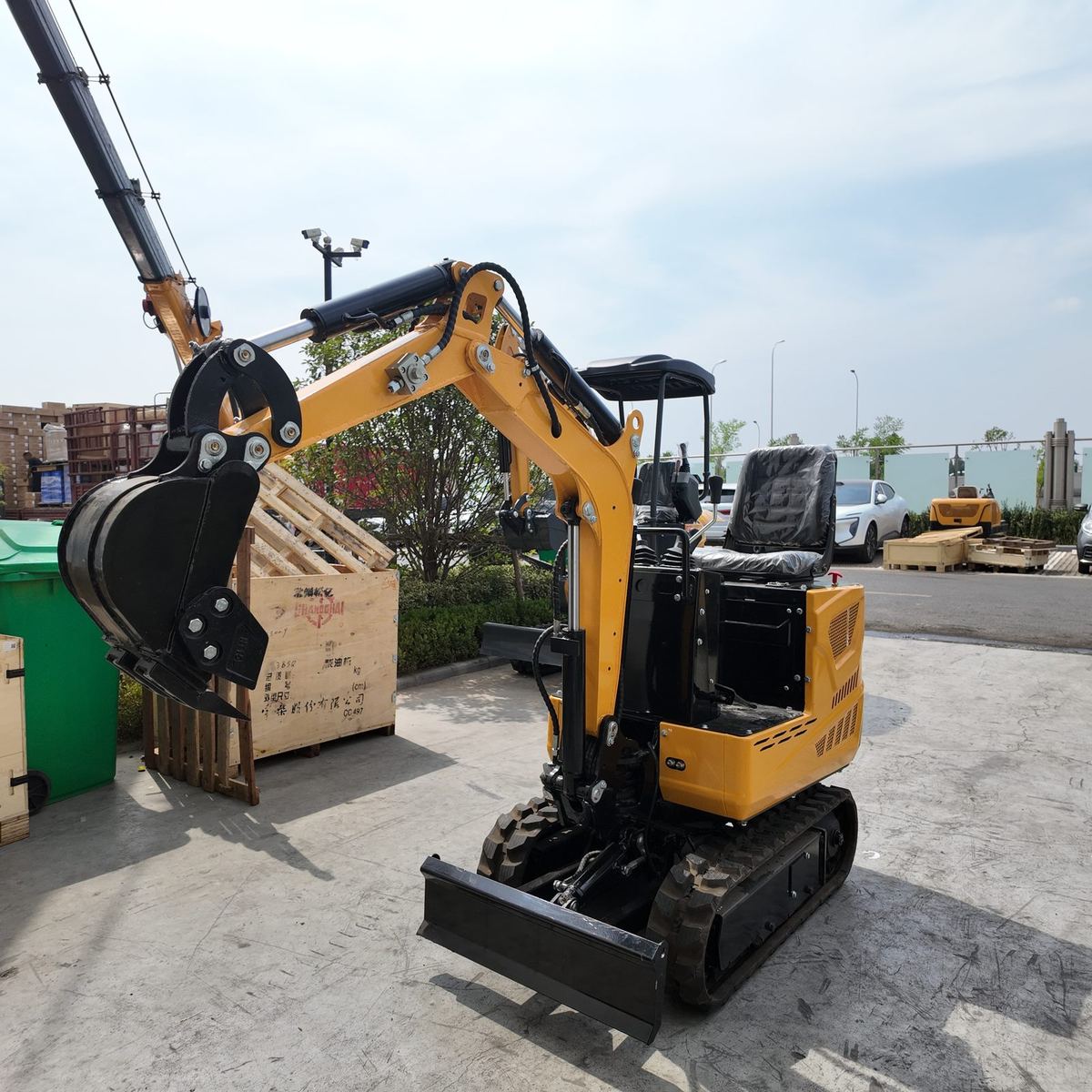
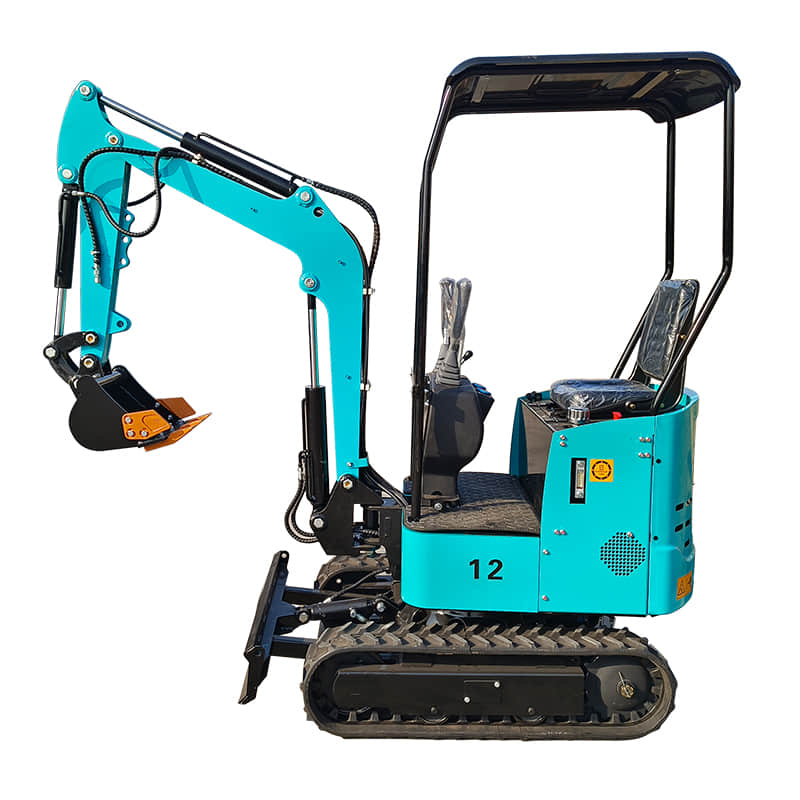
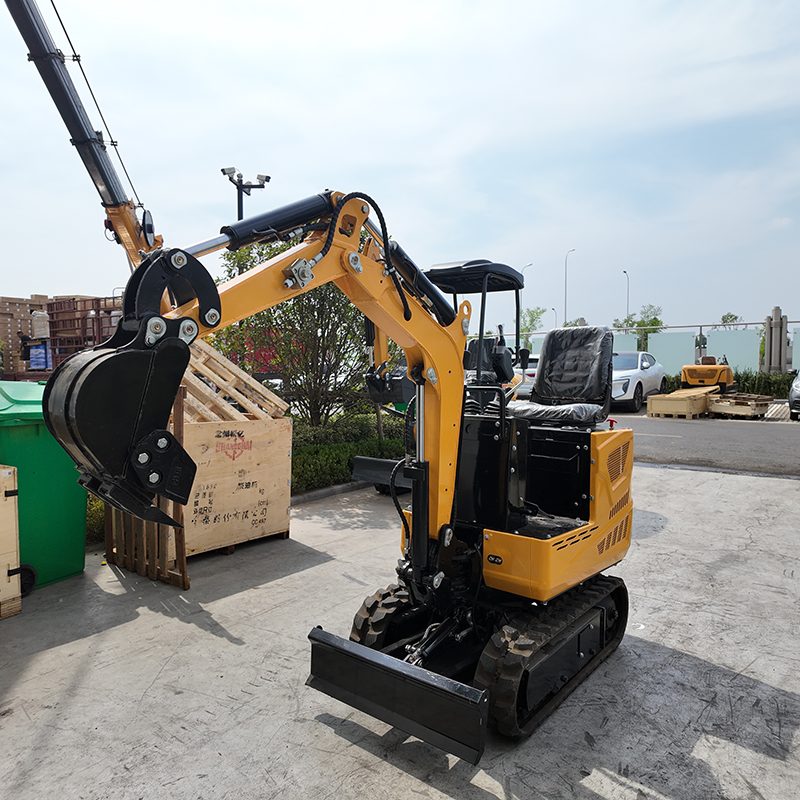
Product display photo; not a customer jobsite case study.
What does "maximum digging depth" actually measure?
Maximum digging depth is a geometric figure: how far below ground level the bucket cutting edge can reach with the boom, arm and bucket fully extended in the standard configuration. It is measured on the published machine setup, so options and attachments can shift it. It is also a limit, not a promise of production at that depth — working at the very edge of the reach envelope is slower, and the machine has less leverage there than it does digging shallower.
How do TOVISEN models compare by published digging depth?
| Model | Operating weight | Overall width | Max digging depth | Max digging radius |
|---|---|---|---|---|
| TOVISEN 06Q | 660 kg (≈1,455 lb) | 700 mm (≈27.6 in) | 1,091 mm (≈43.0 in) | 2,254 mm (≈88.7 in) |
| TOVISEN 12Q | 1,200 kg (≈2,646 lb) | 930–1,150 mm (≈36.6–45.3 in) | 1,717 mm (≈67.6 in) | 3,097 mm (≈122.0 in) |
| TOVISEN 15Q | 1,500 kg (≈3,307 lb) | 930–1,150 mm (≈36.6–45.3 in) | 1,717 mm (≈67.6 in) | 3,097 mm (≈122.0 in) |
The 12Q and 15Q publish the same depth and radius figures; the practical differences sit in operating weight and power — the TOVISEN 15Q specifications list a Kubota D722 engine at 1,500 kg operating weight, while the TOVISEN 12Q is the 1,200 kg machine. The TOVISEN 06Q trades depth for access: at 700 mm wide it is the machine for tight entries and indoor work.
How much depth does your project actually need?
Shallow lines: irrigation, drainage and cable runs often need far less depth than buyers assume — measure the run before sizing the machine.
Utilities and footings: required depths are set by your local building code and the utility or engineer specifying the work, and they vary by locality. Confirm the required depth and width in writing before ordering.
Trench geometry: a trench is a depth-and-width package. A narrow bucket digs deeper faster than a wide grading bucket in the same ground.
Spoil plan: deeper digs move more material per meter. Decide where the spoil goes before the machine arrives.
What limits real-world digging depth in practice?
Ground conditions: rock, hardpan and wet clay each change production rates; a published maximum assumes diggable material.
Working position: digging at maximum radius and depth at the same time is the slowest corner of the envelope; position the machine closer where access allows.
Bucket and teeth: worn teeth or an over-wide bucket for the material both reduce effective depth per pass.
Water and collapse: standing water and unsupported walls slow the dig and, as trenches get deeper, safety rules for shoring and entry apply — confirm local requirements.
If the job is breaking or handling material rather than digging, browse TOVISEN mini excavator attachments and confirm the pairing for the quoted machine.
When is a deeper machine the wrong choice?
Depth is wasted if the machine cannot reach the work. A 1,717 mm machine is roughly 1.2 t of steel plus trailer — if the route is a 36-inch gate, a garden path or a finished lawn, the 700 mm wide 06Q may finish the job that a deeper machine cannot start. Access, ground pressure and spoil logistics decide the machine together with depth; see how a mini excavator fits through a backyard gate for the access side of that decision.
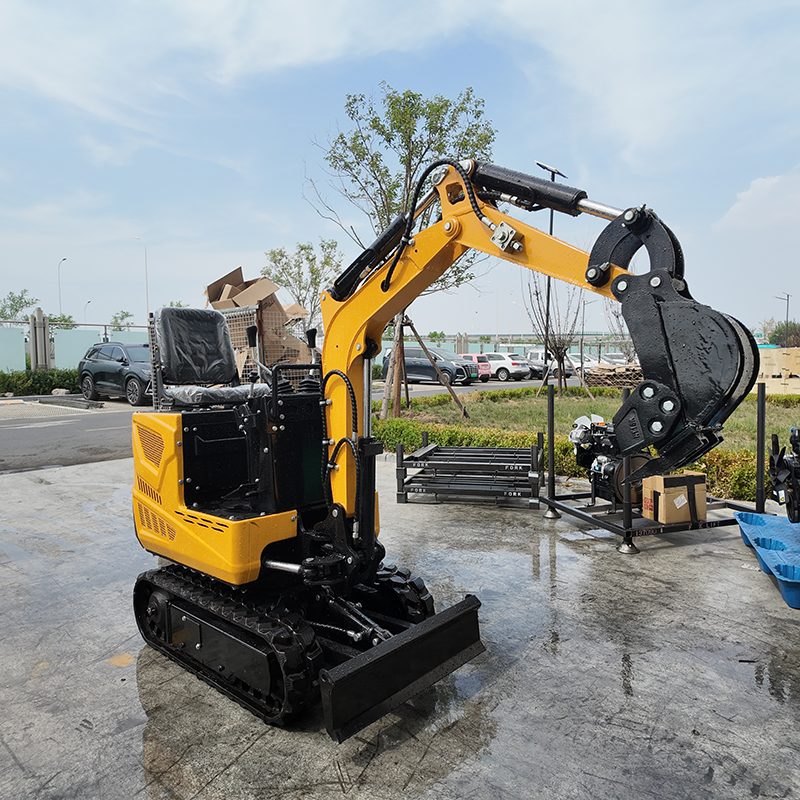
Width and access decide the machine together with depth. Product display photo.
What should US buyers do before the first dig?
Call 811 or file a locate request online before any excavation. 811's guidance for professional excavators asks for a specific dig-site location and dimensions, correct contact details and a detailed description of the work, and recommends giving sufficient notice, avoiding unnecessary tickets and stopping locates on completed jobs. Waiting periods differ by state, so check your state's requirement before scheduling the dig.
Frequently asked questions
Can a mini excavator dig a 4-foot trench?
A 4-foot trench is about 1,219 mm deep. Models that publish a 1,717 mm maximum digging depth, such as the TOVISEN 12Q and 15Q, exceed that figure on paper with roughly 500 mm of margin. Real production depth sits below the published maximum, and depth alone does not decide the job — width, spoil handling and access matter too. Confirm the machine's exact configuration and your ground conditions before committing.
Which small TOVISEN model digs deepest?
The 12Q and 15Q both publish a maximum digging depth of 1,717 mm (about 67.6 in); the 06Q publishes 1,091 mm (about 43.0 in). Between the two deeper machines, the choice is weight and access rather than depth — the 12Q is the 1,200 kg machine and the 15Q the 1,500 kg Kubota-powered model. Ask for written confirmation of depth, width and weight for the exact configuration you are quoting.
Want a depth-matched machine recommendation?
Send TOVISEN your trench or footing details and request a configuration review and quote. Include your name, company, email, the depth and width you need to reach, soil conditions, the attachments you have in mind, the purchase quantity, and your US ZIP code or destination port.
Ask for the specification sheet of the exact configuration — depth, width, weight and engine — so the published figures can be matched against your project before you buy.