Welcome to TOVISEN
Which Compact Machine Fits Your Landscaping Jobs?
Choose a mini skid steer when your main job is moving materials, a mini excavator when you need dedicated digging capability, and a remote-control mower when the work is recurring grass cutting. For US landscaping contractors and equipment buyers, the right choice depends on access width, ground conditions, attachment requirements and the work you expect to do most often.
A backyard renovation can involve moving mulch, digging an irrigation trench and maintaining grass. Start with the job that consumes the most crew time, then compare machines against the actual site requirements.

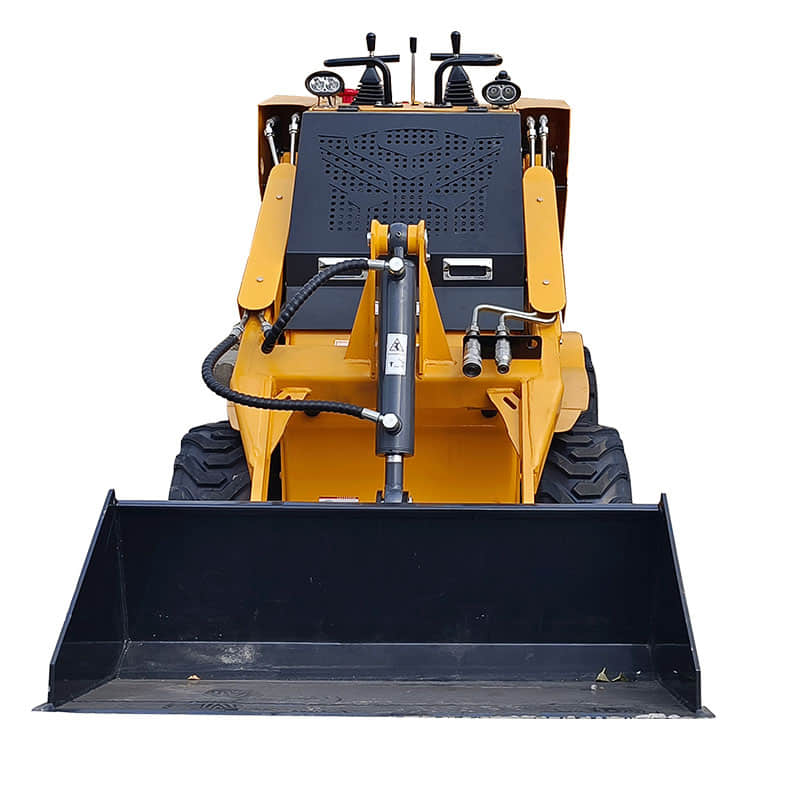
TV-S360 product image from the TOVISEN product page. Confirm the quoted configuration and included attachments.
Which machine matches each landscaping application?
| Typical work | Machine to evaluate | What to check |
|---|---|---|
| Moving mulch, loose soil and landscape materials | Mini skid steer loader | Rated capacity with the selected attachment, bucket size, access width and unloading height |
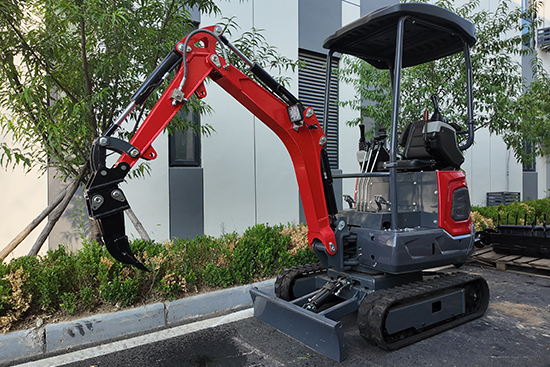
| Irrigation trenches and planting excavations | Mini excavator | Digging depth, reach, machine width and swing space |
| Routine grass cutting around managed properties | Remote-control lawn mower | Vegetation type, cutting width, operating limits and ground conditions |
| Mixed installation and maintenance contracts | Complementary equipment | Annual workload, transport, attachment compatibility and support |
When does a mini skid steer make sense?
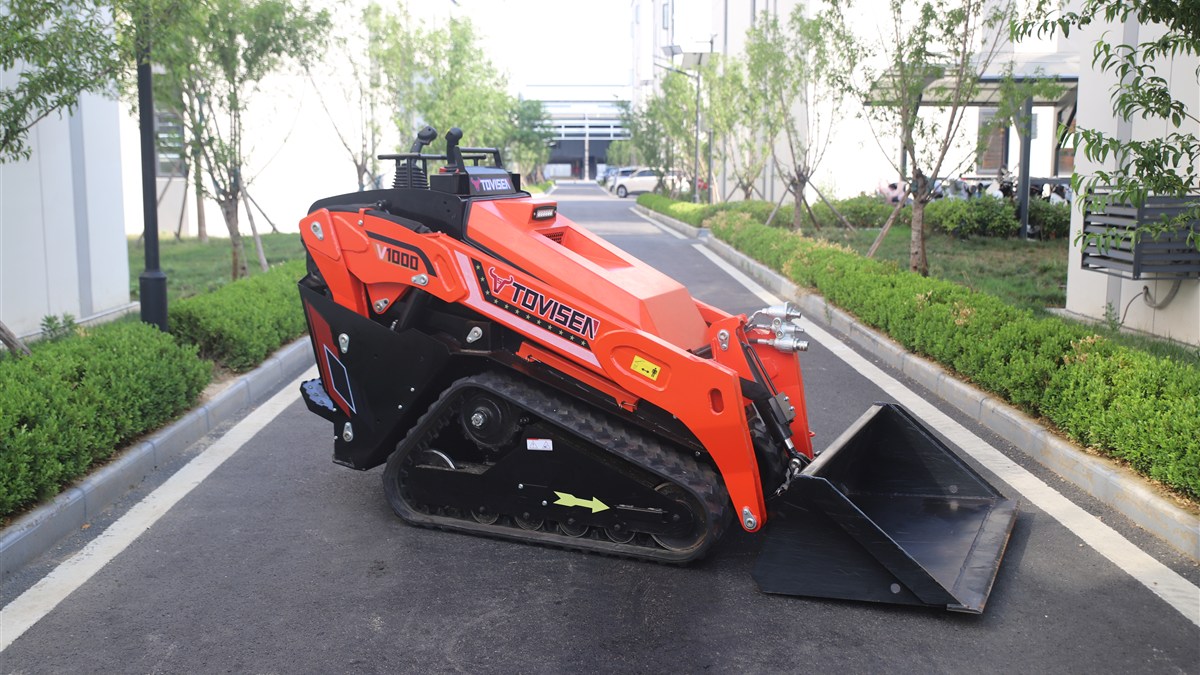
Consider a mini skid steer if crews repeatedly carry loose materials between a delivery point and a work area. Examples include placing mulch near planting beds, transporting soil for renovation and collecting loose material during cleanup. The practical question is how much usable material the machine can move along your actual route.
Measure the narrowest opening, turns along the route and loading space. A machine that passes through a gate may still lack room to turn with its attachment. On finished turf, include surface protection and restoration work in your plan.
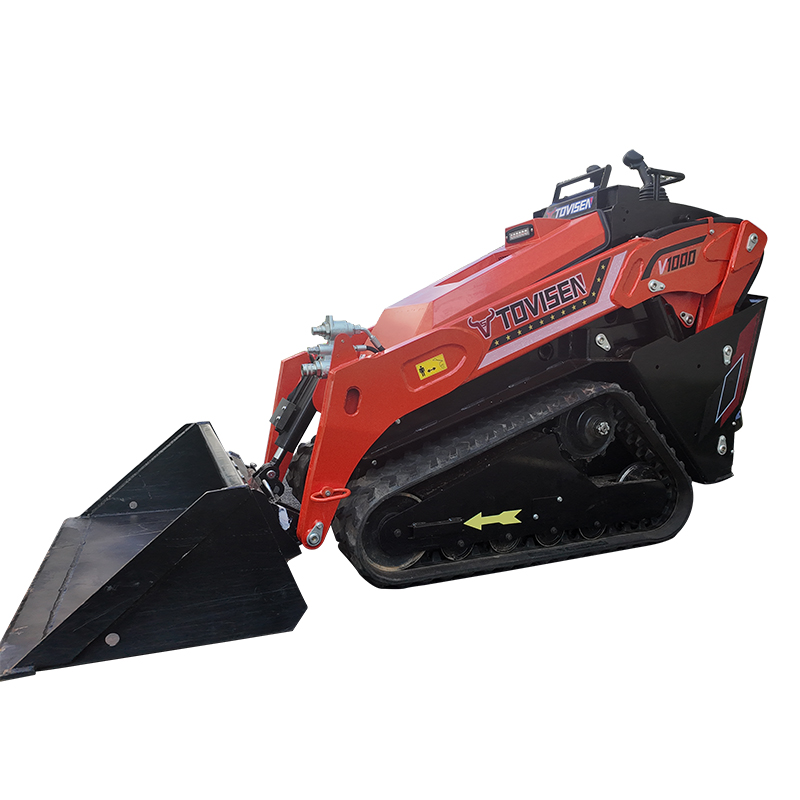
The TOVISEN TV-S360 wheeled mini skid steer is one compact option to evaluate. Its product page lists a width of 980 mm (approximately 38.6 inches). Confirm the width of the supplied machine and bucket before deciding whether it fits your site; attachment dimensions and working clearance also matter.
For heavier materials, request a capacity assessment for the exact attachment and task. Do not assume a small loader can handle a full pallet of pavers because pallet forks can be fitted. Compare alternatives in the TOVISEN skid steer loader range.

Ask for configuration-specific attachment, operating and maintenance information before ordering.
When is a mini excavator the better fit?
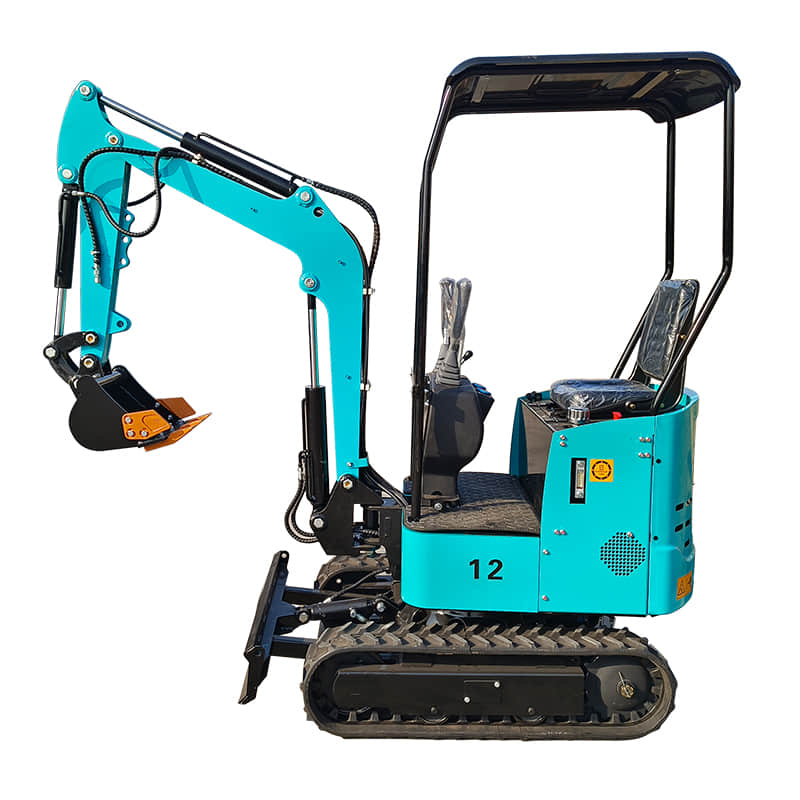
If trenching and below-ground excavation account for most of your work, begin with a mini excavator. Irrigation installation and planting preparation require you to match digging depth and reach to the job, while allowing room for the machine and excavated material.
A mini excavator and a mini skid steer can serve complementary roles: one excavates, while the other transports suitable loose materials. Whether owning both makes sense depends on workload and the cost of rental, transport and staffing.
Before ground-disturbing work in the United States, consult the Common Ground Alliance's 811 guidance for professional excavators and your state's process. Provide the location, dimensions and description of the planned work when requesting utility marking.
When should you evaluate a remote-control mower?
A remote-control lawn mower addresses vegetation maintenance rather than material handling or excavation. It may suit buyers whose recurring workload centers on grass cutting around managed grounds and other accessible outdoor areas.
Send the supplier photos of the vegetation and terrain. Confirm whether the selected cutting system is intended for grass, heavier vegetation or another specified material. For sloping ground, request the exact model's operating limits and manual. Remote control alone does not establish suitability for a particular slope or remove the need for a safe operating area.
What should US buyers include in a quotation request?
Primary application: describe the work and typical daily workload.
Site access: give clear opening widths in inches or feet, plus photos of tight turns.
Ground and materials: identify turf, pavement, soft ground, grass type or materials to be moved.
Attachment needs: list attachments and request written confirmation of mounting and hydraulic compatibility.
Delivery: provide your US state, ZIP code or destination port and preferred timeline.
Purchase scope: state quantity and whether you are buying for your own fleet, rental or resale.
Ask the quotation to identify the engine or power configuration, included accessories, applicable documentation, spare parts, warranty terms and shipping scope. Confirm which costs are included before comparing offers.
Frequently asked questions
Can one compact machine handle every landscaping job?
Usually, each machine has a primary role. A skid steer centers on loading and attachment work, an excavator on digging, and a mower on vegetation cutting. Evaluate supported attachments against the exact job before choosing a multipurpose setup.
Will a mini skid steer fit through a residential gate?
Only if the complete machine and selected attachment fit with adequate clearance. Measure the gate's usable opening and the route beyond it, then compare those measurements with the supplied configuration.
Does a product photograph show everything included in the price?
No. Photos illustrate a configuration. Request an itemized quotation identifying the machine, attachment, power option and included accessories.
How can I get a recommendation for my project?
Share the main task, access measurements, site photos and destination with TOVISEN. These details help the team evaluate an appropriate machine and attachment combination.
Which TOVISEN machine should you shortlist?
Tell us what you need to move, dig or mow, your narrowest access width, and your US delivery ZIP code. Include your name, company and email so our team can respond with configuration details and a quotation.
Request a TOVISEN equipment recommendation and quote
Suggested inquiry: “We are a landscaping company in [state]. Our main work is [task], our minimum access width is [measurement], and we need [quantity] machine(s) with [attachments]. Please quote for delivery to [ZIP code or port].”